Lehigh Valley restaurants warned after raw meat stored near ready-to-eat sauces
Raw meat sat beside ready-to-eat sauces in a Lehigh Valley walk-in cooler with no barrier against cross-contamination. Inspectors also found raw animal food near human food.
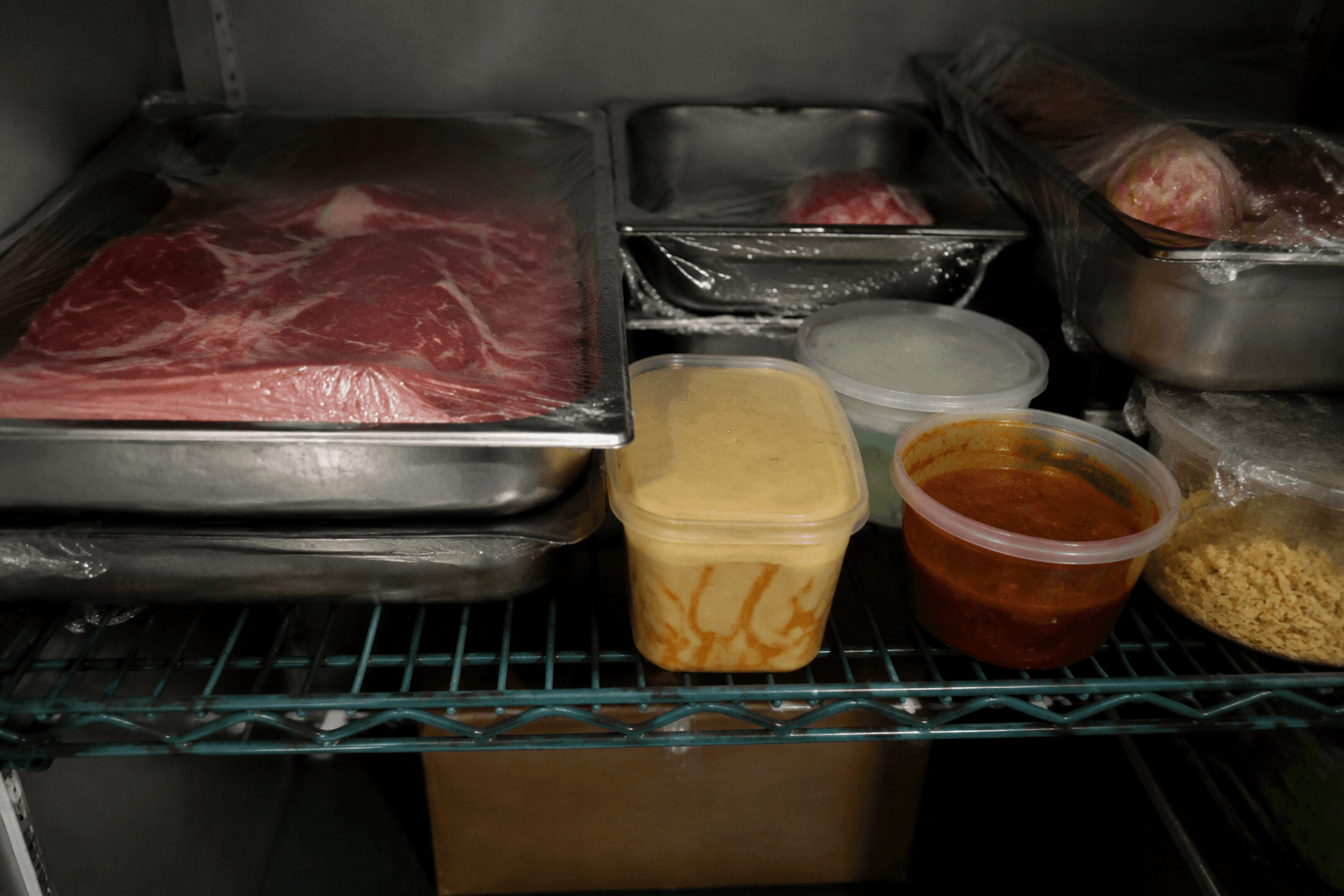
A Lehigh Valley restaurant was flagged after raw meat was stored next to ready-to-eat sauces in a walk-in cooler with no barriers to prevent cross-contamination. The inspection note also said raw animal food was placed near human food, and the issue was corrected by moving the raw meat.
For cooks and managers, the violation is the kind of storage mistake that can turn a normal prep shift into a contamination problem fast. Raw proteins stored too close to finished food can spread bacteria through drips, splashes, shared utensils and crowded cooler shelves, which is why line cooks are trained to keep them separated before service starts. In this case, the problem was not a mystery recipe or a broken piece of equipment. It was basic cooler organization.
The findings point to the same weak spots that show up again and again in restaurant kitchens: rushed storage, poor labeling, and shift-level supervision that lets raw product land in the wrong place. If a walk-in is packed so tightly that raw meat ends up beside sauces, the kitchen is already operating without enough space or discipline to keep food safe. That is a training issue as much as a sanitation issue, because the fix usually begins before the rush, when prep, storage and labeling are supposed to be sorted out.
Similar inspection reporting across Lehigh and Northampton counties has repeatedly turned up the same pattern, including raw animal foods stored above ready-to-eat foods in walk-in coolers. The Morning Call has run recurring Lehigh Valley food safety roundups for years, with inspection reports dating back to 2018 and continuing through 2026. That long-running pattern suggests the problem is not an isolated slip, but a familiar food-service failure that keeps coming back when kitchens move too fast.
Spotlight PA’s Restaurant Safety Tracker lets readers view full inspection reports and sign up for real-time text or email alerts for specific restaurants or locations. The Pennsylvania Department of Agriculture handles food-establishment inspections in the region, and the repeat violations show how often the same basics come down to whether a kitchen actually enforces them.
For restaurant workers, the checklist is plain: raw items below ready-to-eat food, barriers between unpackaged foods, color-coded boards and knives used correctly, clean hands and gloves changed at the right times, and enough cooler space that product does not get stacked where drips can fall. When those steps slip, the risk is not only to customers. It can mean complaints, reputational damage and lost shifts for the people working the line.
This article was produced by Prism’s automated news system from verified source data, official records, and press releases, then run through automated quality and moderation checks before publishing. The system is built and supervised by the people who set the standards it runs under. Read our full AI policy.
Did this article answer your question?