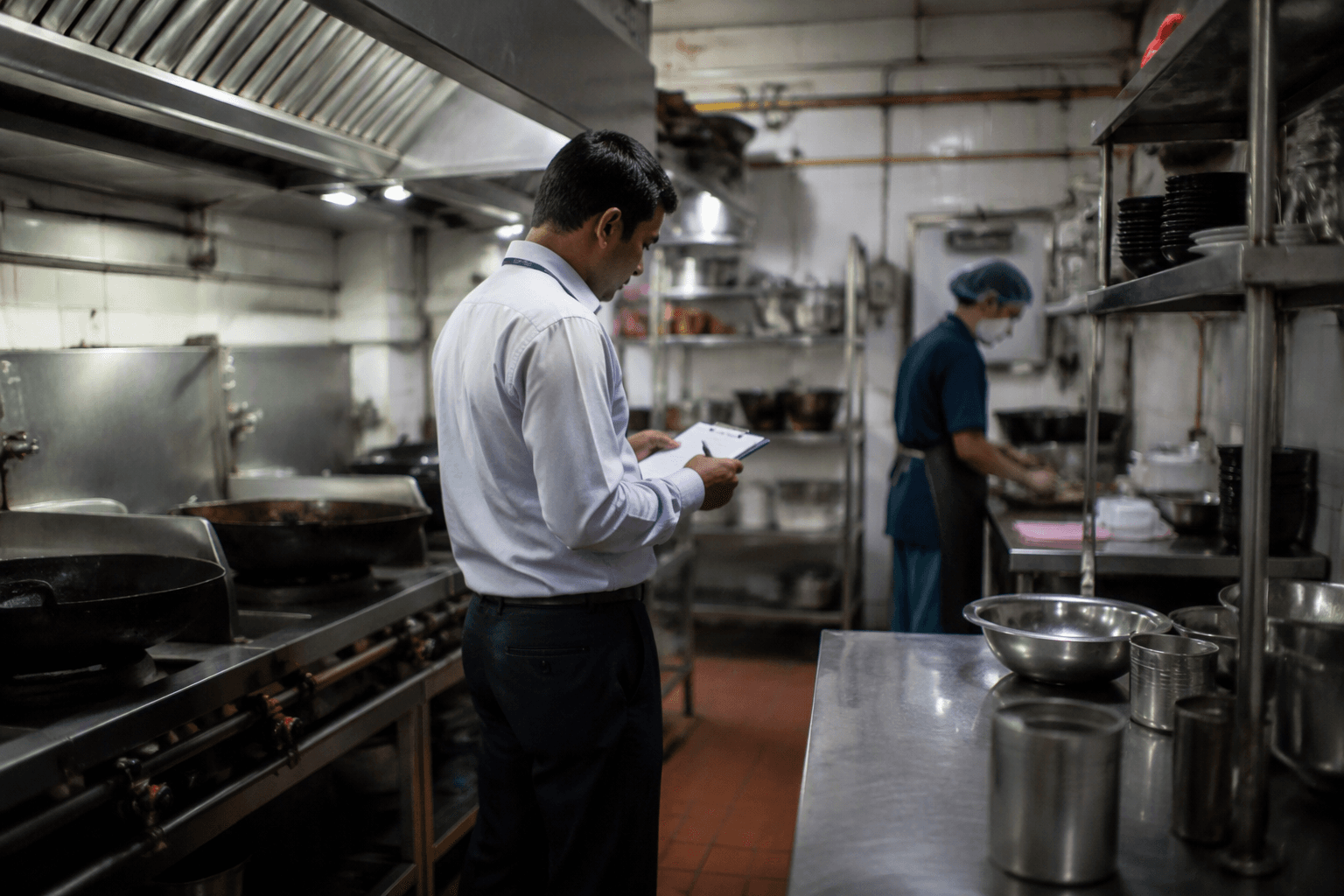
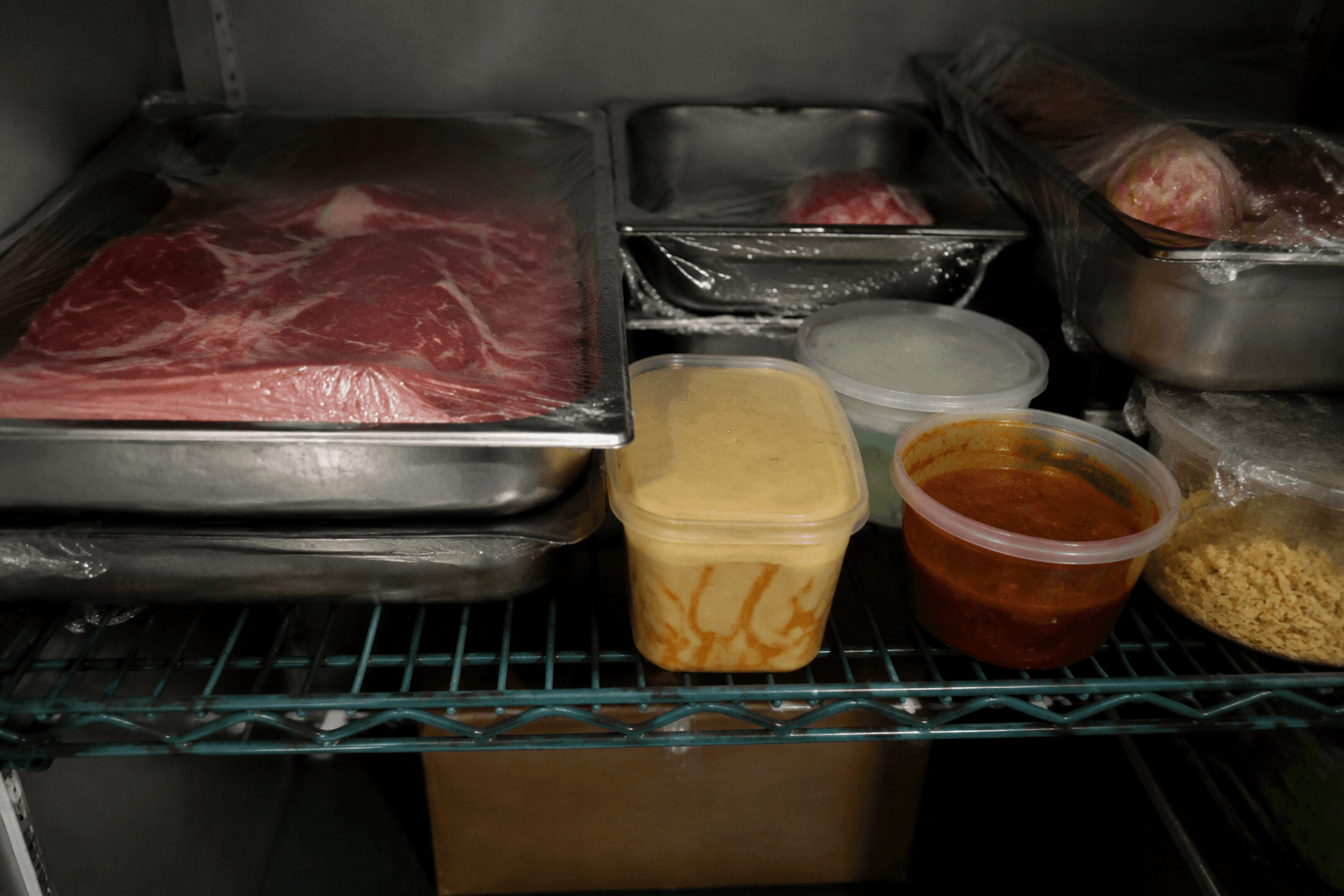
Salmonella outbreak linked to jalapeños expands from Chipotle to Qdoba
A jalapeño-linked salmonella outbreak spread to Qdoba, sickening 345 people across 27 states and sending 36 to hospitals.
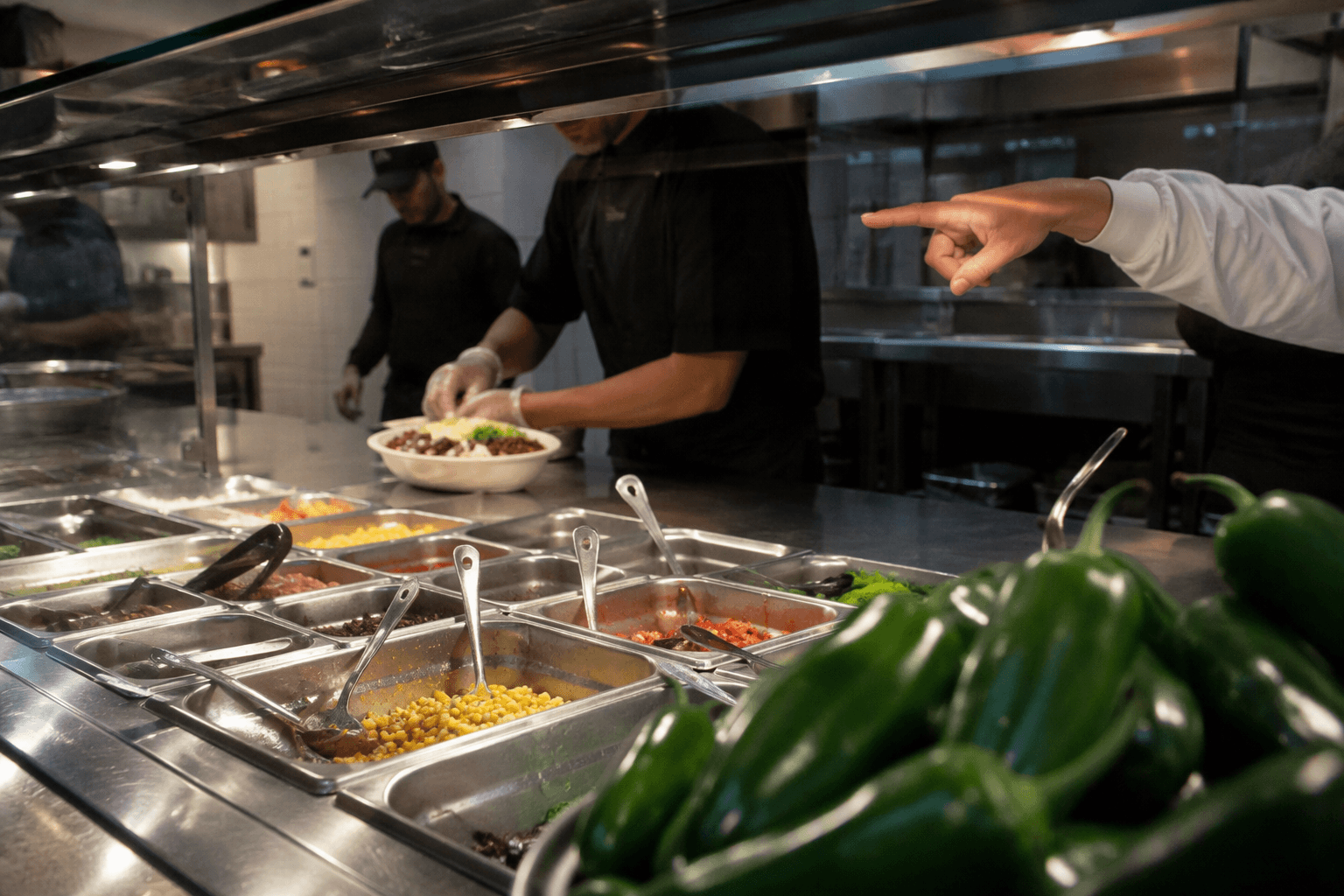
The Food and Drug Administration said a salmonella outbreak tied to jalapeños served at Chipotle had expanded to Qdoba, turning one produce problem into a multi-brand kitchen disruption. Health officials said 345 people in 27 states were sickened and 36 were hospitalized, with the Centers for Disease Control and Prevention identifying the strain as Salmonella Javiana.
The jalapeños were traced to Mexico, and coverage identified Coast Citrus Distributors as the distributor moving the peppers through the supply chain. The concentration of cases in Colorado and Minnesota sharpened the pressure on managers to isolate the ingredient quickly, because jalapeños are not a single-use garnish in fast-casual kitchens. They move through salsa prep, line assembly, cold wells, and finishing stations, which means one flagged shipment can force staff to check delivery logs, pull product from multiple stations, and rework prep for the rest of a shift.
Chipotle and Qdoba both removed jalapeños from affected restaurants as the investigation widened. Qdoba said it was cooperating with public health authorities, while federal officials kept tracing cases and source points through the outbreak investigation. For workers on the line, that kind of announcement does not stay in the office. Shift leads have to answer guest questions, explain menu changes, and make sure cooks understand which bins, pans, and cutting boards may have touched the ingredient.
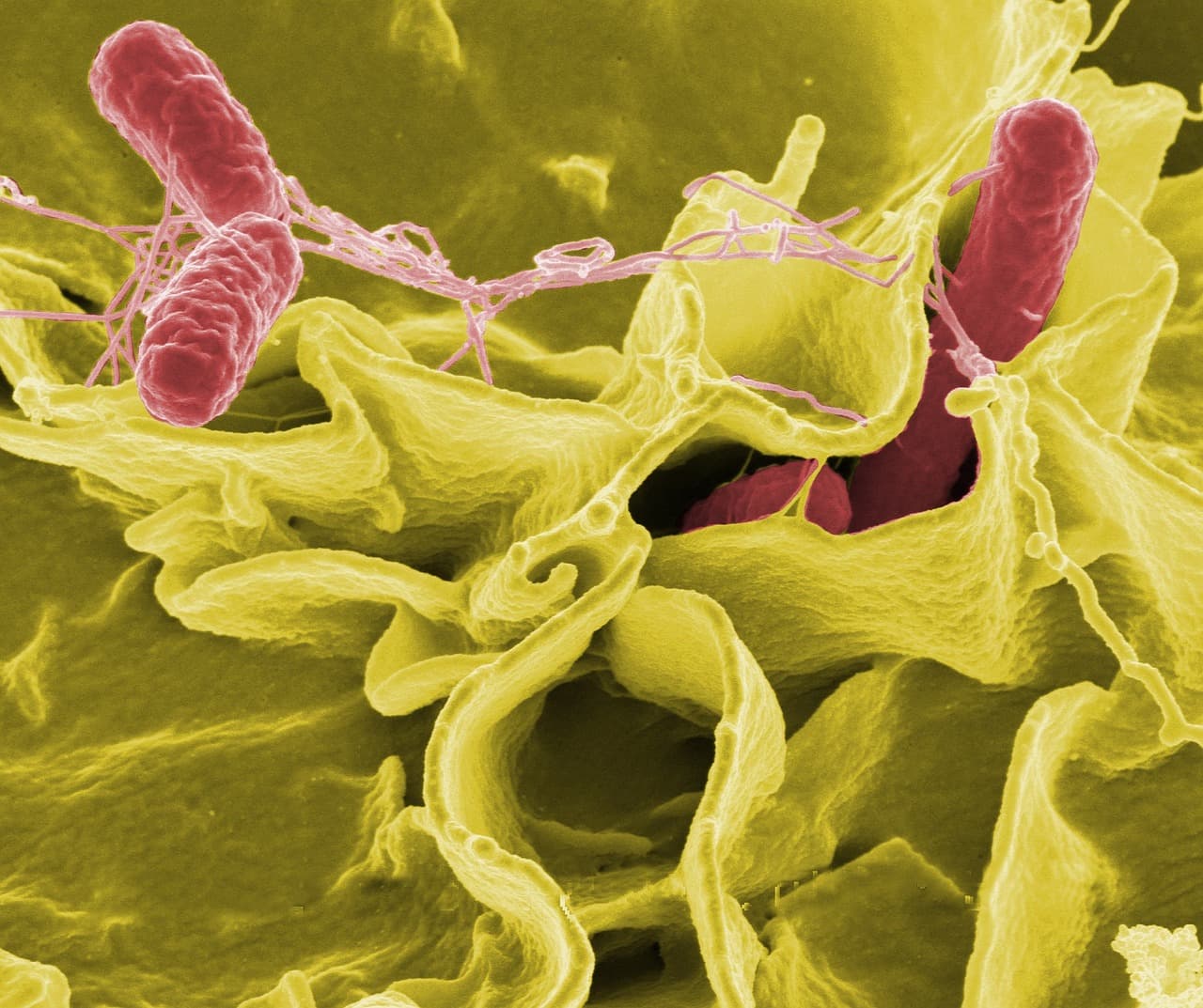
That is where a produce-linked outbreak becomes a workplace problem as much as a public-health one. A restaurant can have the right sanitizer, the right thermometer, and still be exposed if a contaminated ingredient moves through prep before anyone knows it is unsafe. When that happens, managers are left to retrain staff on cross-contamination risks, review supplier records, and make fast decisions about whether to keep service moving or stop using an item altogether.
The outbreak also shows how little control store teams have once an ingredient enters the building. Jalapeños are common across bowls, salsas, and garnishes, so a single alert can ripple across several menus at once and force crews to change prep on the fly. In fast-casual kitchens, one contaminated pepper shipment can mean new sanitation steps, slower service, and more scrutiny from health officials long after the first sick customer is reported.
This article was produced by Prism’s automated news system from verified source data, official records, and press releases, then run through automated quality and moderation checks before publishing. The system is built and supervised by the people who set the standards it runs under. Read our full AI policy.
Did this article answer your question?