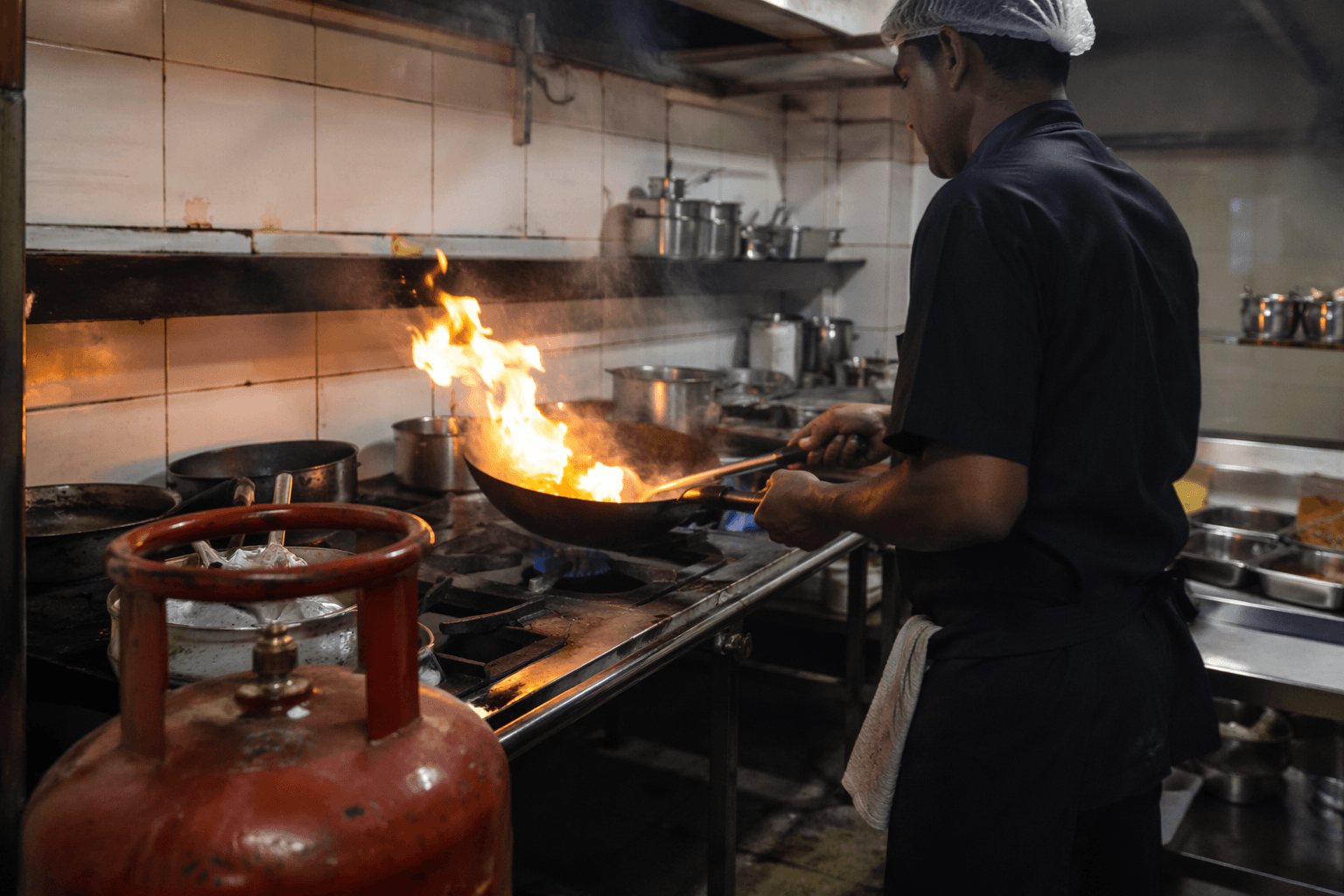
Mendocino Farms grows by betting on quality and guest experience
Mendocino Farms is scaling by turning training and service standards into the growth engine. For hourly staff, the key question is whether that discipline brings better jobs or just tighter pressure.
The growth model behind the sandwiches
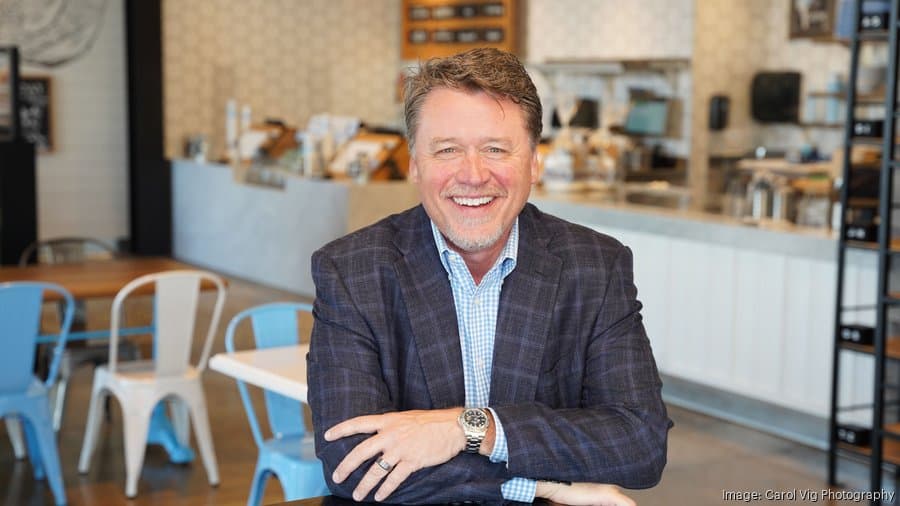
Mendocino Farms is expanding on a promise that sounds simple but is hard to execute on a crowded restaurant floor: quality and guest experience come first. CEO Kevin Miles and CMO Alicia Mowder have framed that as the reason the chain keeps growing, even as the fast-casual sector cooled in 2025. For workers, that means the brand is not just selling sandwiches and salads, it is selling consistency, and consistency depends on the people making and serving the food every shift.
That matters because quality-driven growth usually reaches far beyond the kitchen. It shapes how people are hired, how they are trained, who gets promoted, and how tightly managers watch the details that guests notice most. In a concept like Mendocino Farms, the gap between a smooth lunch rush and a messy one is often the difference between repeat business and lost traffic.
What the company says it values
Mendocino Farms’ careers materials make the labor model explicit. The company describes its workforce as a “Hospitality Team” and a “Production Team,” and says it is looking for people who can create memorable guest experiences and craft the sandwiches and salads that separate the chain from more generic fast-casual competitors. That language is more than branding. It signals that front-of-house friendliness and back-of-house precision are both part of the same operation.
The company’s general manager posting pushes the same idea from the top of the store. General managers are expected to lead by example with strategic vision, operational excellence, and hospitality while fostering a positive work culture and outstanding guest experiences. In restaurant terms, that is a tall order: the GM is not only keeping the shift together, but also enforcing standards that make the brand feel the same whether a guest is in California or another new market.
Training is the real engine
If the chain’s growth story holds up, it will be because training is being treated as infrastructure, not as a one-time onboarding step. A regional culinary manager posting says the role supports culinary initiatives, programs, and new store openings, and oversees production training and development using Mendocino Farms’ training tools. That suggests the company understands a basic truth of restaurant expansion: new units fail when the playbook lives in a binder instead of on the floor.
For hourly staff, that can be a double-edged deal. Better systems can mean clearer expectations, fewer guesswork moments during service, and a stronger path to promotion if the company promotes from within. But it can also mean more discipline, more monitoring, and less room for improvisation, especially when a brand wants every sandwich assembled the same way and every interaction to feel polished.
That is where the labor question gets sharper. A quality-first model can make work more predictable if training is real, staffing is adequate, and managers are taught to coach instead of only correct. It can also become a pressure system that asks line cooks, prep workers, and counter staff to absorb the strain of expansion without any meaningful change in pay, staffing levels, or advancement opportunities.
Scale changes the pressure on every shift
The scale numbers show how quickly that pressure can spread. A location tracker said Mendocino Farms had 99 U.S. locations as of May 8, 2026, with 71 of them in California. A podcast listing described the company as having about 100 locations in six states. A San Francisco Gate story said the chain opened 16 new locations in 2025 and planned 15 more in 2026.
That kind of pace is not just a real estate story. It means more assistant managers, culinary leads, trainers, and shift supervisors are needed to keep the standards intact as the company moves into new neighborhoods and new labor markets. The more units a chain opens, the more it depends on middle managers who can translate corporate expectations into the minute habits that shape service, from prep accuracy to dining room pacing.
The company’s history suggests this growth model has been building for years. Mendocino Farms was founded in Southern California in 2005 and marked 20 years in 2025, according to PR Newswire. That same source said it had grown to 80-plus locations across California, Colorado, Illinois, Texas, and Washington, a footprint that shows the brand has already moved well beyond its original base.
Why the brand has room to expand
The premium positioning helps explain why investors and operators keep betting on the concept. An older QSR profile said Mendocino Farms had reached 12 locations with average unit volumes of about $3.4 million, and noted that Whole Foods had become a minority stakeholder at the time. That is the kind of unit economics story that makes expansion attractive, especially when the menu and service model can support higher sales without drifting into commodity territory.
Mendocino Farms has long sat in the Los Angeles-area fast-casual lane built around chef-driven sandwiches and salads, but the current push looks like an attempt to make that premium identity repeatable at a much larger scale. The current employee estimates reflect that growth stage too, with business-directory sources placing the company somewhere between roughly 530 and 814 employees. The spread matters less than the broader point: this is still a relatively lean organization for the number of stores it is operating, which makes manager development and labor discipline even more central.
What workers should watch as the chain grows
The real test is not whether Mendocino Farms can add locations. It is whether the company can make quality translate into a better work environment instead of only a stricter one. If training gives workers clearer standards, more support, and a believable ladder into assistant manager, culinary lead, or trainer roles, then the growth model could improve jobs as well as sales.
If not, the burden will fall where it usually does in restaurants: on the people on the clock when a rush hits, a station falls behind, or a guest order needs to be remade. The brand’s future depends on whether it can turn its guest-experience pitch into a sustainable workplace, because the same discipline that keeps a premium fast-casual chain consistent can also wear crews down if management treats execution as the whole job.
This article was produced by Prism’s automated news system from verified source data, official records, and press releases, then run through automated quality and moderation checks before publishing. The system is built and supervised by the people who set the standards it runs under. Read our full AI policy.
Did this article answer your question?