Miami chef earns first Michelin star for a kosher restaurant
Mutra in North Miami became the first kosher restaurant to win a Michelin star, a credential that could raise the value of kosher-trained cooks in a small labor pool.

A North Miami kitchen just changed the labor math for kosher dining. Mutra became the first kosher restaurant in the world to earn a Michelin star, a milestone that could give chefs, line cooks and managers with kosher experience a new premium credential in a niche hiring market.
The recognition came in the Michelin Guide’s 2026 Florida selection released May 28, its first statewide Florida edition. Michelin added 200 restaurants across 41 cuisine types, with Mutra one of two new one-star restaurants in the state alongside Emelina in West Palm Beach. For workers, that matters because the guide’s reach now extends well beyond the usual Miami Beach fine-dining corridor and into neighborhoods where high-end kitchens may have a harder time recruiting and keeping specialized staff.
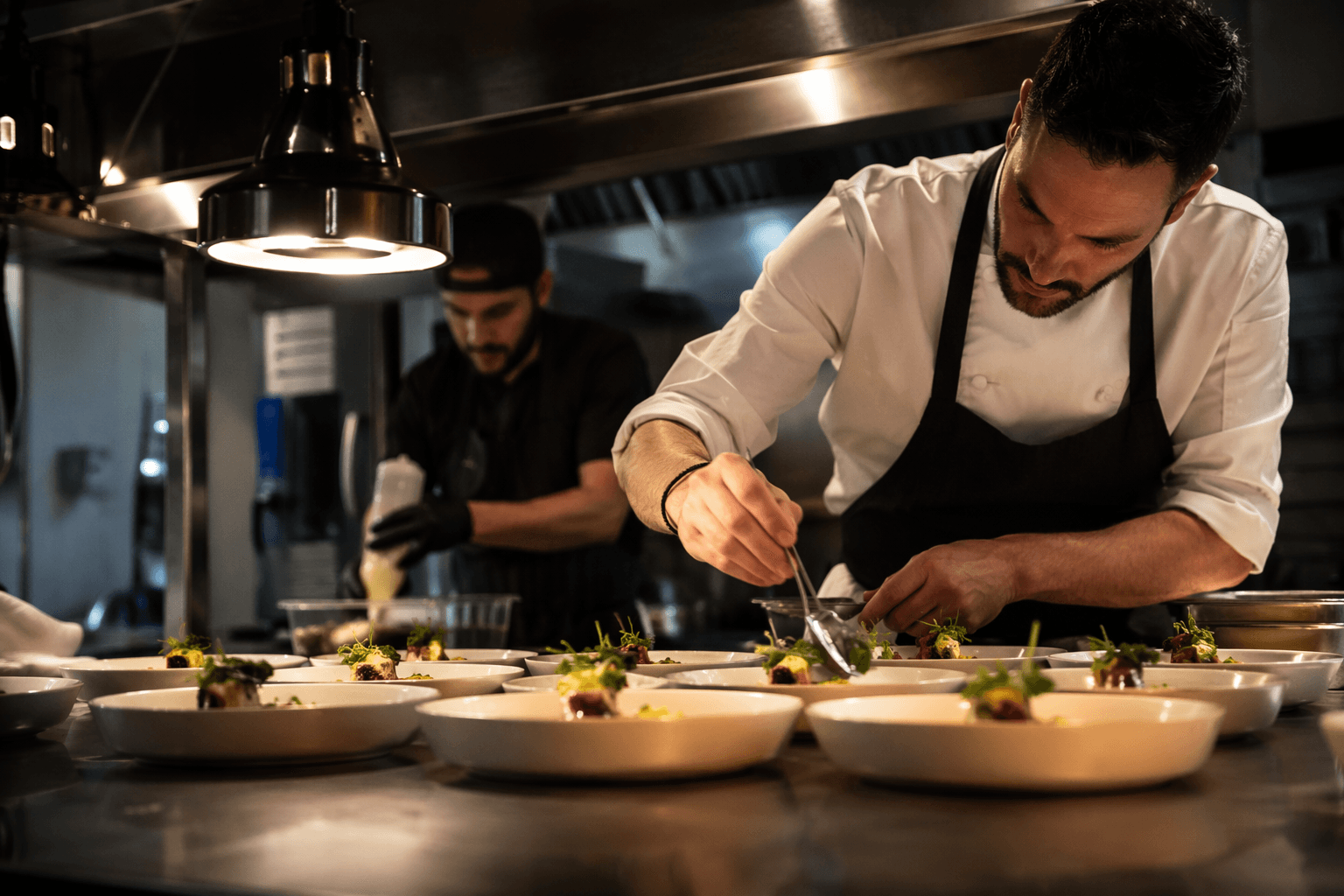
Chef-owner Raz Shabtai opened Mutra in February 2025 and named it after his Jerusalem-born grandmother. The restaurant’s menu is rooted in Jerusalem and built around a rotating, hyperlocal farm-to-table approach, which means the brigade has to adapt constantly to changing product and a narrow set of dietary rules. In a kitchen like that, training is not just about technique. It is about keeping kosher standards intact while turning out dishes detailed enough to impress Michelin inspectors, from lamb kebab with smoked aubergine cream and tomato oil to chicken a la Tunis and muhallebi.
That combination can put pressure on wages and retention. Kitchens that can execute kosher fine dining need cooks who understand sourcing, separation rules and the pace of a tasting-menu style service, all while operating in a labor pool smaller than the one available to mainstream restaurants. A star can make those skills more valuable. It can also make turnover more costly, because any experienced cook who leaves takes institutional knowledge with them, from prep systems to how the chef’s counter runs on a night when every seat is booked.
Shabtai said the recognition mattered beyond his own dining room, calling it meaningful for the broader Jewish community. That wider visibility could open a path for more kosher-trained staff to move between ambitious restaurants with stronger résumés and more bargaining power, especially as other operators decide whether to invest in the staffing, training and sourcing needed to compete at the same level. For South Florida’s restaurant industry, Mutra’s star is not just a prestige win. It is a signal that a specialized corner of the market has become more competitive, more visible and more expensive to staff well.
This article was produced by Prism’s automated news system from verified source data, official records, and press releases, then run through automated quality and moderation checks before publishing. The system is built and supervised by the people who set the standards it runs under. Read our full AI policy.
Did this article answer your question?