Michelin stars face scrutiny as cities pay for guide coverage
Cities are paying up to $270,000 to buy Michelin coverage, sharpening questions about whether stars measure food or tourism budgets.

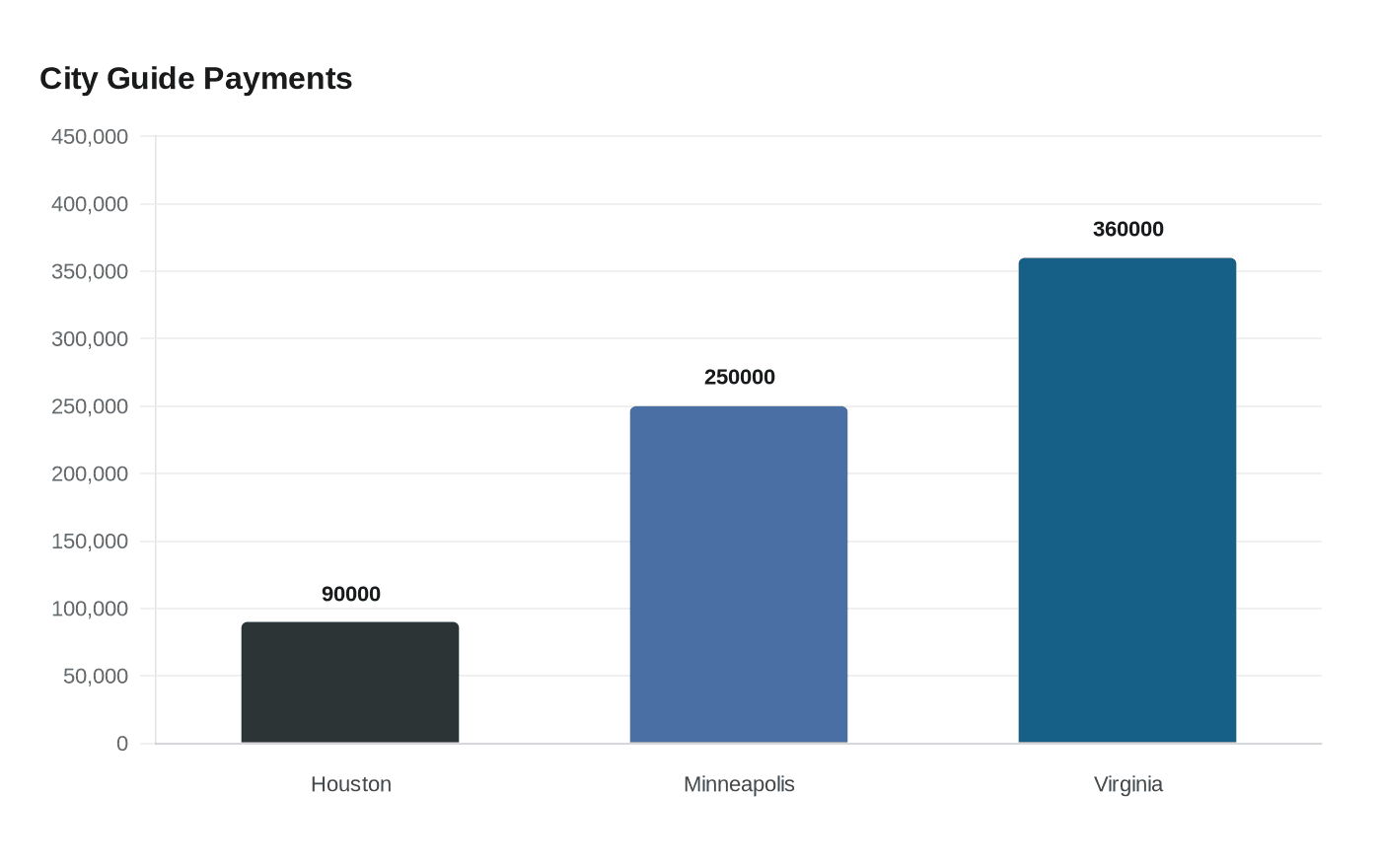
Michelin’s stars carry real cash value on the dining room floor, but the map behind them is now under sharper scrutiny. Houston First said Houston would pay $90,000 a year for three years, or $270,000 total, to bring Michelin coverage to the city. Minneapolis agreed to pay $250,000 a year for three years, and the first Michelin list for the city is expected in 2027. Virginia, by contrast, declined a $360,000 inclusion fee tied to Southern guide coverage, a reminder that access to the brand is not just about cuisine.
That commercial side of expansion is fueling a basic question for chefs, servers, owners, and investors: if tourism boards are helping pay for the guide, how objective is the prestige that follows? Michelin says its inspectors are anonymous and salaried, and that the guide is a selection rather than an exhaustive list. It also says stars are awarded for the quality of cuisine. But in practice, a star can shift traffic, justify higher checks, strengthen a restaurant’s recruiting pitch, and change how much pressure lands on already stretched staff in the kitchen and on the floor.
The historical baggage is hard to ignore. Michelin says the guide began in 1900 as a free booklet meant to encourage motorists to travel and support the tire business. The star system came later, with one star introduced in 1926 and two and three stars added in 1933. Michelin’s own France 2024 guide shows how concentrated the prestige still is in its home market: 639 starred restaurants in France, including 30 three-star, 75 two-star, and 534 one-star venues. That year’s selection added two new three-star restaurants. For critics, that deep French footprint reinforces the argument that Michelin’s reputation grew out of a French, early 20th-century origin story, not a neutral global standard.
Michelin says the guide now rates restaurants in more than 25 countries and is present in over 140 countries overall, but the economics of expansion keep putting city budgets at the center of the story. Texas tourism boards also funded Michelin-related growth, according to local reporting, and the company’s publication archive shows continued international rollouts across markets. For restaurant workers, the stakes are immediate. A star can raise the bar for wages, service expectations, and turnover all at once, while one missing star can unsettle a room that was built around the badge.
Know something we missed? Have a correction or additional information?
Submit a Tip