Nashville businesses seek property tax relief as taxes surge
More than 300 Nashville businesses are pushing for tax relief as reassessments drive bills higher, even as state money is set aside for Starbucks’ expansion.
Rising property tax bills are forcing Nashville restaurant and retail operators to choose between higher menu prices, leaner staffing and shorter hours, while city and state leaders weigh public support for Starbucks’ downtown expansion.
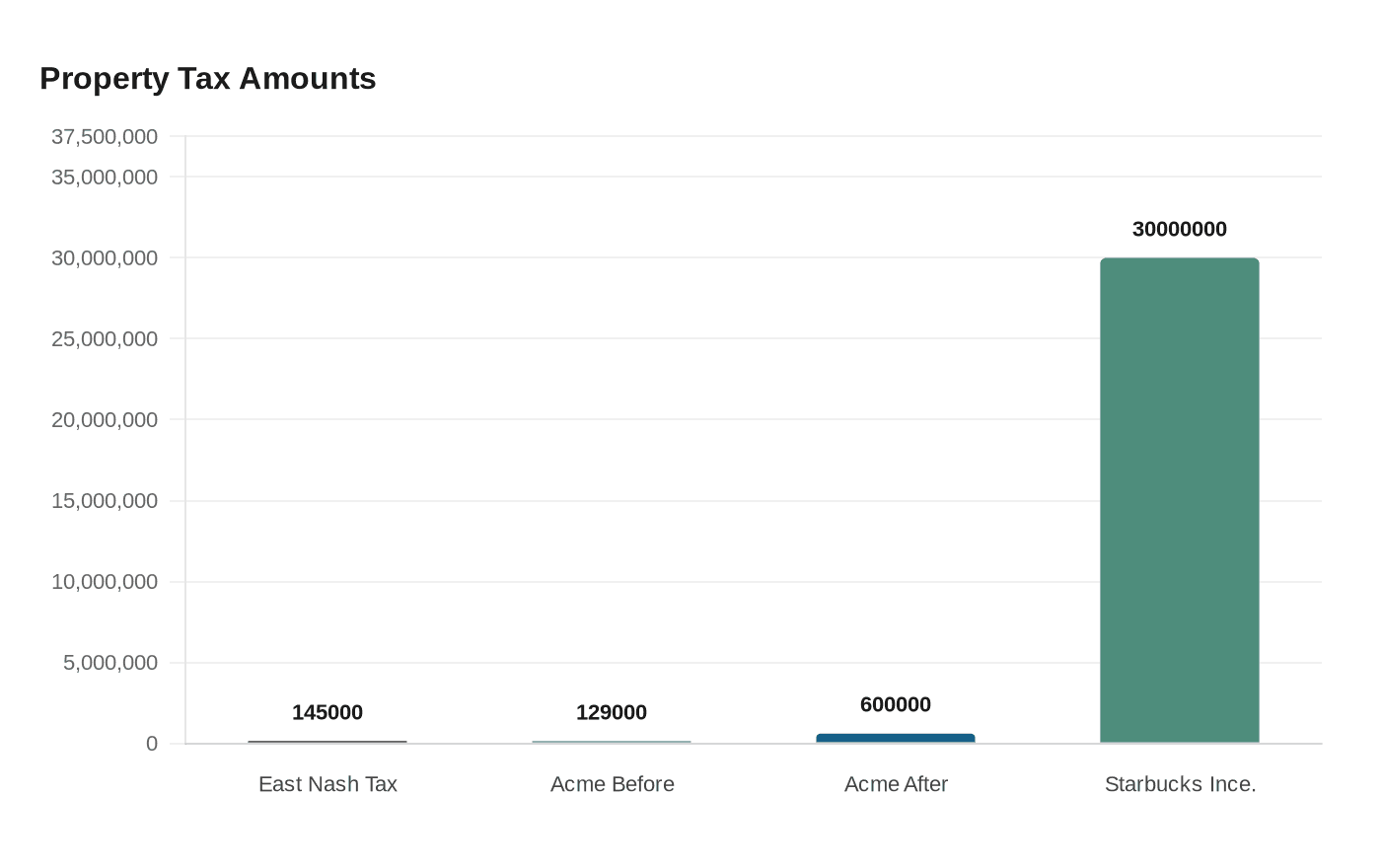
The Nashville Property Tax Coalition said it had grown to 303 business members by May 6, up from more than 100 in March, as Christian Paro of Center 615 pressed city officials for short-term relief. Paro said the East Nashville property he owns is valued at about $13 million and carries annual taxes of roughly $145,000, a burden he said is already landing on both owners and tenants whose leases pass through property taxes and other operating costs.

The coalition asked Mayor Freddie O’Connell and Davidson County Assessor Vivian Wilhoite to let businesses with pending appeals pay last year’s tax rate until those cases are resolved, expand the Board of Equalization and use income-based, not speculative, valuations during appeals. O’Connell said state law bars Metro from waiving or delaying property tax obligations and noted that he had appointed or reappointed 13 people to the Board of Equalization to handle more hearings. He also said this was an appraisal year, the first since 2021.

The pressure has been sharpest downtown and on Lower Broadway, where some property values rose by more than 300% between 2024 and 2025, according to local reporting. More than 14,000 Davidson County property owners appealed their new assessments, and the appeals process has a two-year backlog in some cases. Acme Feed & Seed said its annual property tax bill climbed from about $129,000 to roughly $600,000 in one year, a jump that underscores why independent operators are warning that even iconic venues may not be able to absorb another round of reassessments.
That strain has collided with a separate public incentive debate over Starbucks. The company announced a $100 million investment and 2,000 jobs tied to a Southeast corporate office in downtown Nashville, and Tennessee later approved a $30 million incentive package for the expansion. Small-business advocates have argued that public dollars should not favor a national chain while existing local employers absorb sharper tax bills, especially when restaurant leases often tie rent directly to property tax costs.
The fight has also become a policy test for Nashville’s tourism economy. Tennessee lawmakers moved this spring to let some businesses inside a nearly 3-square-mile tourism development zone use excess sales-tax revenue to help pay property taxes, a zone created in 2009 to help fund the Music City Center. For restaurants already dealing with staffing shortages and thin margins, the question is no longer abstract: if taxes keep climbing faster than sales, the city could lose the neighborhood places that fill the seats, serve the tourists and keep downtown working.
This article was produced by Prism’s automated news system from verified source data, official records, and press releases, then run through automated quality and moderation checks before publishing. The system is built and supervised by the people who set the standards it runs under. Read our full AI policy.
Did this article answer your question?