NLRB says restaurant workers can legally discuss wages openly
A server comparing tip-outs or a cook texting about base pay may be protected, not insubordinate. The NLRB says restaurant bosses cannot ban wage talk.

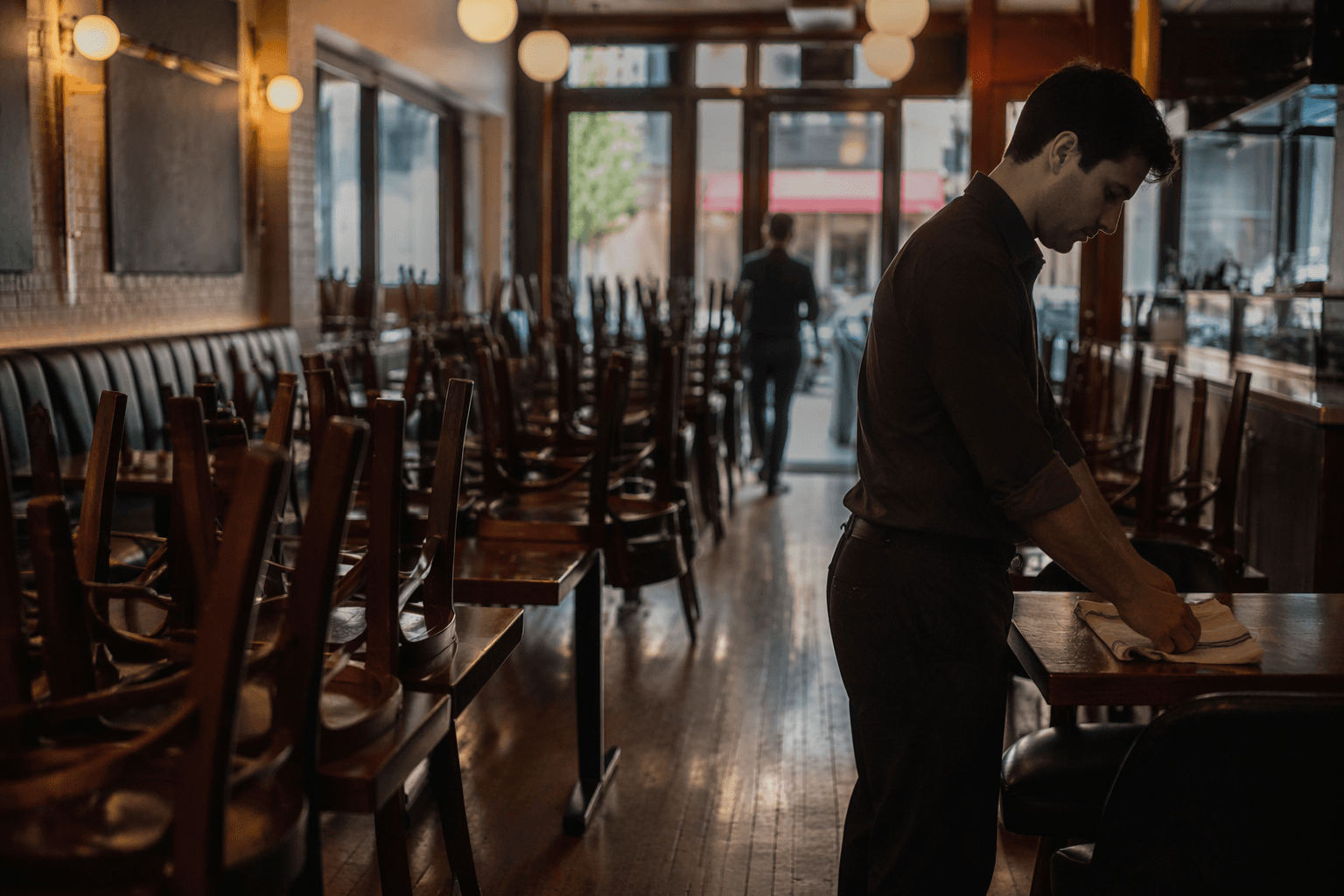
A server who notices a teammate taking home more from the same section, or a line cook who texts another cook about a higher hourly rate, is dealing with the kind of conversation the National Labor Relations Board says workers can legally have. The board says restaurant employees covered by the National Labor Relations Act can discuss wages, tip-outs and working conditions with coworkers, labor organizations, worker centers, the media and the public, and a boss cannot outlaw that talk with a blanket no-discussion rule.
The agency says the right reaches beyond a quick hallway conversation. Workers may talk on breaks, off the clock and, in some cases, during work if other non-work conversations are allowed. Policies that specifically ban wage discussion are unlawful, and even rules that chill those conversations can run afoul of the law. The U.S. Department of Labor says most private-sector employees have the same right to discuss pay as a workplace issue of mutual concern.
For restaurants, the stakes are obvious. Pay often depends on a mix of base wage, tips, service charges and tip-out practices, so secrecy can hide gaps between front and back of house. Pew Research Center reported in 2023 that seven states do not allow a tip credit at all, while many others let employers use tips to offset part of the minimum wage. The federal tipped cash wage is commonly cited as $2.13 an hour. In ADP Research data, tips accounted for 76% of total wages in Boston and 67% in New York, and Restaurant Dive reported that the median tipped restaurant worker in that survey earned $14.48 an hour in tips and $10.74 in base pay in September.
The law has backed that kind of talk since Section 7 of the NLRA took effect in 1935, and the NLRB says it can seek reinstatement and back pay when employers unlawfully fire workers for protected activity. Restaurant chains have already tested that line. In 2021, administrative law judge Arthur J. Amchan found Zacatacos, Incorporated unlawfully fired two employees for protected concerted activity. In an April 21, 2026 decision, administrative law judge Patrick Leeper found John Wright Restaurant illegally fired a server for discussing wages and tips and ordered reinstatement, back pay and rescission of the restaurant’s no-wage-discussion policy. For restaurant workers trying to make sense of uneven pay and shifting tip-outs, the message is direct: asking out loud about compensation is often protected, and punishment can cost employers more than the conversation ever did.
This article was produced by Prism’s automated news system from verified source data, official records, and press releases, then run through automated quality and moderation checks before publishing. The system is built and supervised by the people who set the standards it runs under. Read our full AI policy.
Did this article answer your question?