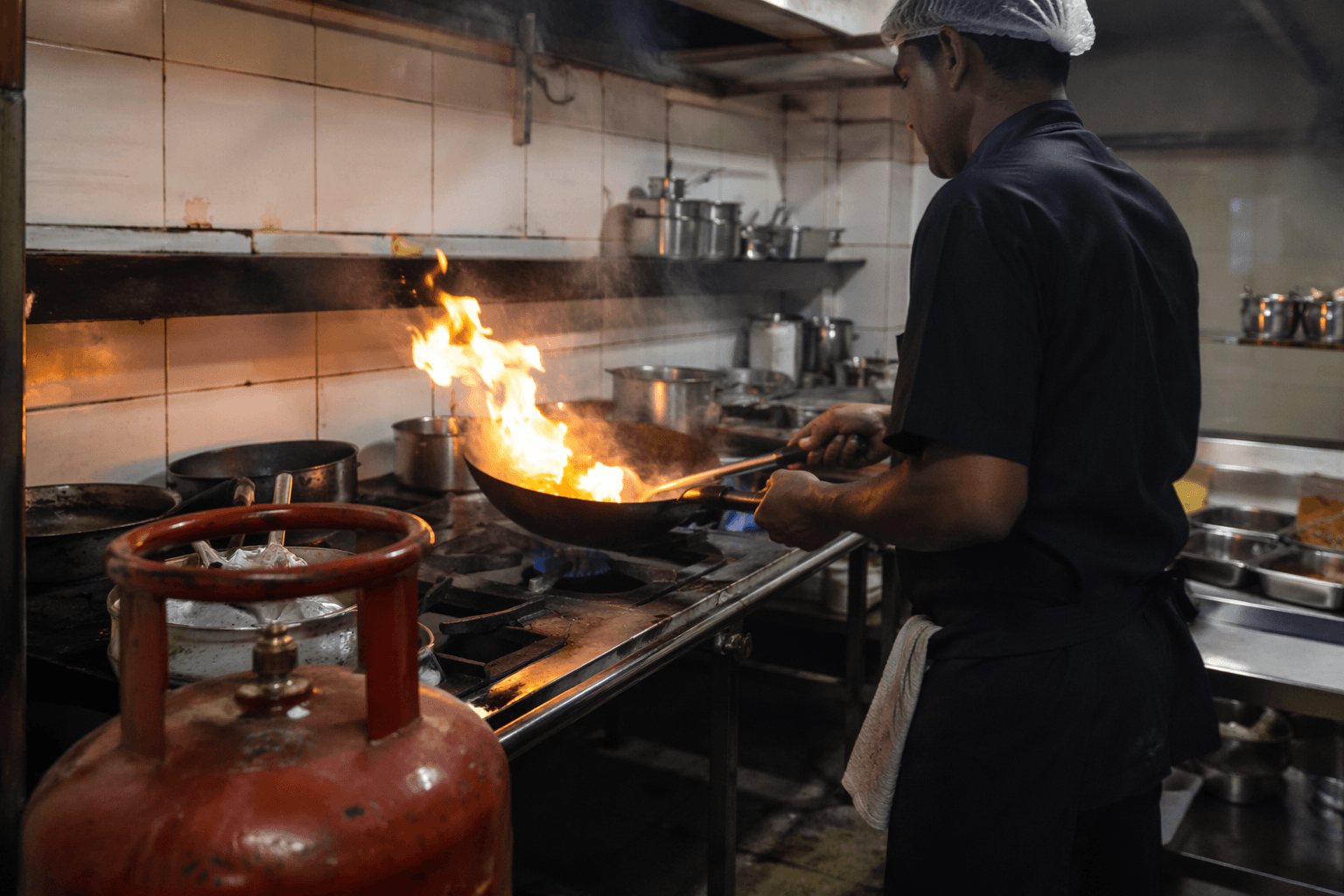
Norway restaurant workers strike over wages and sick-pay access
More than 4,400 Norwegian hotel and restaurant workers stayed out into week six, pressing for higher wages and faster sick-pay access as airport outlets felt the strain.
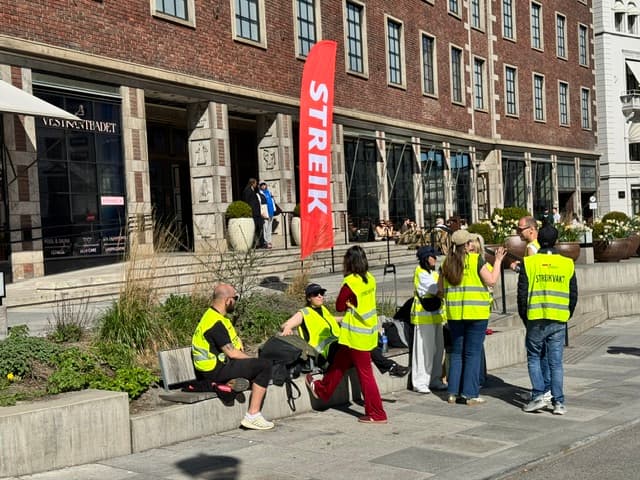
Holiday travel and hotel service in Norway were still under pressure as more than 4,400 hotel and restaurant workers kept a nationwide strike alive into its sixth week, turning a wage dispute into a test of how long employers could absorb staffing gaps. The walkout hit restaurants, hotels, company canteens and service outlets at six major airports, including Oslo/Gardermoen, Bergen/Flesland, Stavanger/Sola, Trondheim/Værnes, Sandefjord/Torp and Kristiansand/Kjevik.
The strike began on April 19 after mediation broke down between Fellesforbundet and NHO Reiseliv. The first round pulled out 1,922 employees from 113 businesses, and by May 18 it had grown to 4,416 members in 331 businesses. The dispute initially hit major chains such as Radisson, Strawberry and Scandic, then spread into airport-facing operations where even short staffing disruptions can ripple quickly through check-in areas, lounges and food service.

At the center of the fight were wages and access to benefits. Workers wanted higher pay, but the deeper flash point was the speed of sick-pay support. The union also sought advance payment of parental benefits and care benefits before reimbursement from NAV, Norway’s welfare agency. Under ordinary Norwegian rules, employers pay sickness benefits for the first 16 days of illness, with NAV taking over from day 17. The union’s argument was straightforward: if there is a delay in the system, workers can be left without income right when they need it most.
NHO Reiseliv called the advance-payment demand very difficult for employers, while the broader 2026 wage round in Norway’s frontfag sectors produced average pay increases of 4.4 percent in other industries. That left hospitality workers arguing that they were being left behind. Fellesforbundet has said hotel and restaurant workers are among the lowest-paid in Norway, a point that matters even more in a sector with many foreign workers, long shifts and little room to absorb a missed paycheck or a delayed benefit.
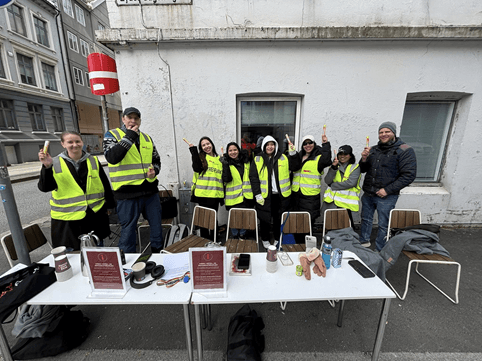
The strike has become a clear labor blueprint for the restaurant industry: workers are not just walking over headline wage rates, but over the mechanics of pay, sick leave and the speed of support when life goes wrong. That is the pressure point restaurant operators ignore at their peril. When pay stays low and benefits move slowly, the cost is not abstract. It is empty stations, missing staff and a workforce willing to stay out for weeks to force the issue.
This article was produced by Prism’s automated news system from verified source data, official records, and press releases, then run through automated quality and moderation checks before publishing. The system is built and supervised by the people who set the standards it runs under. Read our full AI policy.
Did this article answer your question?