Olive Garden revives Never-Ending Pasta Pass, stirring worker rushes
Olive Garden sold 10,000 Pasta Passes for $100 apiece, setting up 13 weeks of dine-in-only traffic that will test prep lines and labor plans.
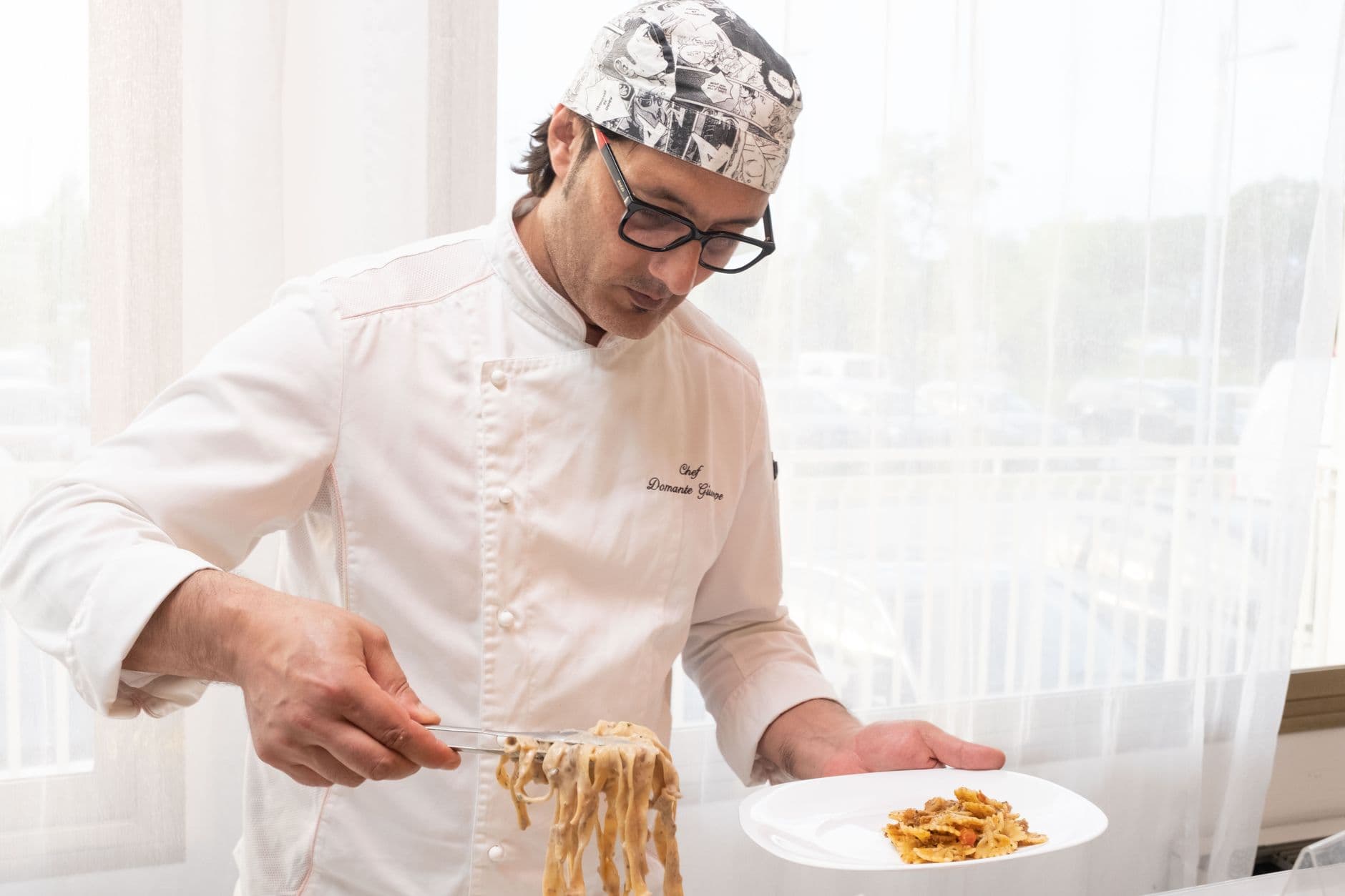
Olive Garden brought back its Never-Ending Pasta Pass, selling just 10,000 of them for $100 plus tax and giving buyers 13 weeks of unlimited pasta with the chain’s standard soup or salad and breadsticks. The pass went on sale July 16 at 2 p.m. ET, with redemption running from Aug. 24 through Nov. 22 and dine-in only.
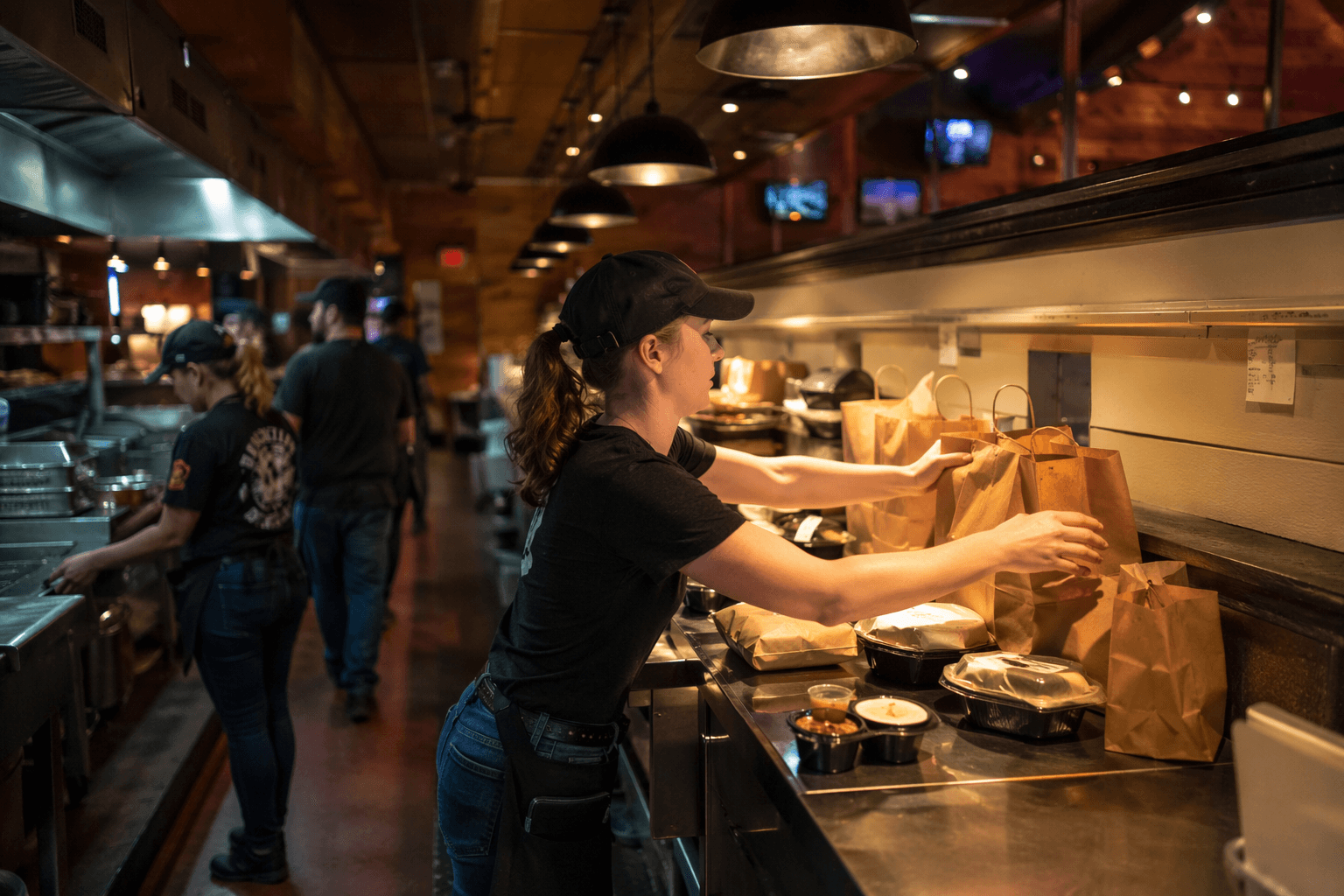
For restaurant workers, the key detail is not the marketing splash. It is the fixed window that concentrates traffic into a predictable stretch and forces managers to staff for repeat waves of guests who are coming in under a flat-fee deal. That changes the pace on the line, at the host stand, in the expo lane and on the floor, where table turns, side work and pacing all get tighter once a promotion like this takes hold.
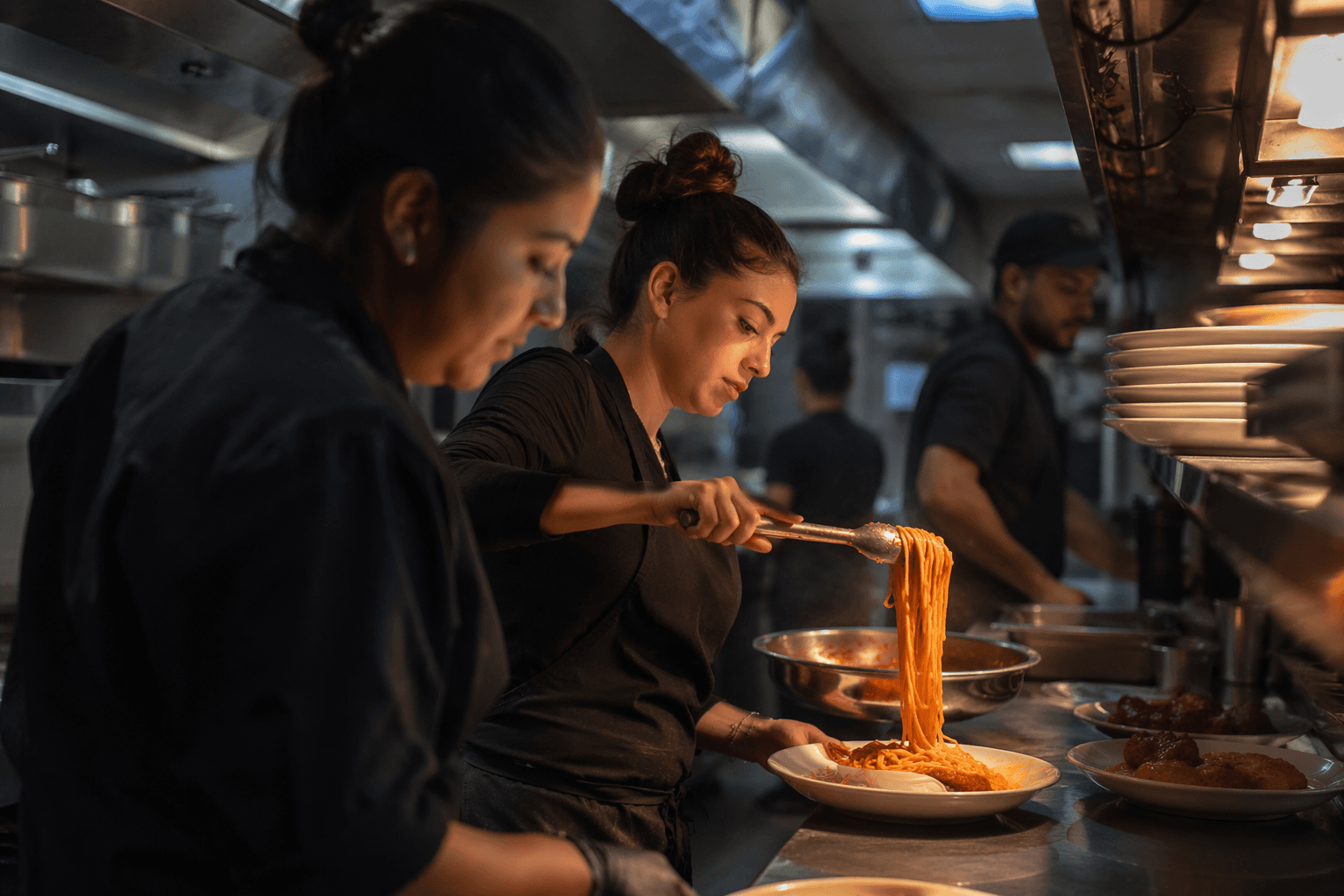
A pass with a hard cap of 10,000 also creates urgency before the first bowl of pasta is served. Guests tend to move quickly when a deal is scarce, and that kind of sellout pressure can push a rush into a shorter period than a normal menu promotion. For cooks, that means more disciplined prep counts and a heavier read on which sauces, noodles and sides are likely to move fastest. For servers and runners, it means more dining room volume, more add-ons and more of the repetitive, high-volume rhythm that can make a shift feel longer even when the clock does not change.
Olive Garden is also reviving its Never-Ending Pasta Bowl later in the season, extending the traffic spike beyond the pass itself. The chain’s marketing lead said the return was meant to recognize guest loyalty and the abundance and value the brand is known for, but on the floor the effect is simpler: more guests, more refills, more labor pressure and more chances for a smooth shift to turn into a grind if staffing slips.
The upside is that promotions like this can also mean steadier hours and bigger tips for front-of-house staff when the dining room stays full. The downside is burnout if managers misjudge the labor mix, especially in a dine-in-only program that keeps guests seated longer and puts extra strain on the kitchen before a single order hits the printer.
This article was produced by Prism’s automated news system from verified source data, official records, and press releases, then run through automated quality and moderation checks before publishing. The system is built and supervised by the people who set the standards it runs under. Read our full AI policy.
Did this article answer your question?