OSHA warns restaurant workers face elevated workplace violence risks
Restaurants carry predictable violence risks every night, and OSHA says employers can cut them with staffing, training, lighting, and clear panic procedures.
A late dinner rush can turn fast when a guest refuses to leave, a bar argument spills toward the host stand, or someone reaches across a cash drawer. OSHA says those moments are not just bad luck, they are part of a known risk pattern in restaurants, where workers handle money, serve alcohol, and often close up long after dark.
Why restaurants show up in OSHA’s risk map
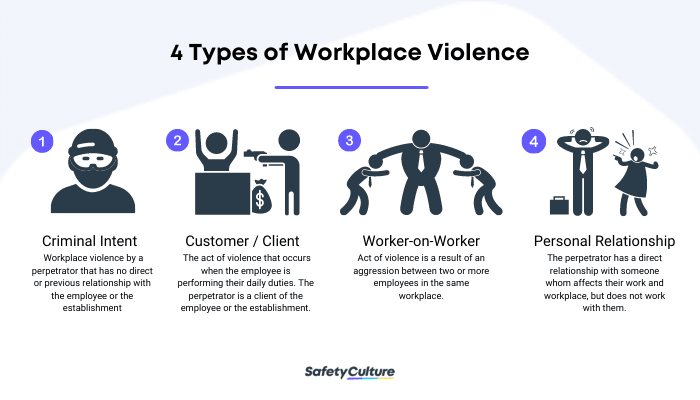
OSHA defines workplace violence broadly, covering threats, verbal abuse, intimidation, harassment, and physical assaults. That matters in restaurants because the agency also flags several conditions that sound routine to anyone who has worked a shift in food service: exchanging money with the public, working where alcohol is served, working late at night, and working alone or in isolated areas.
Those risk factors are not abstract. They describe the cashier counting change near the front door, the bartender dealing with a drunk guest, the host working behind a stand with limited escape routes, and the closer standing in an empty dining room after midnight. OSHA’s overview also notes that providing services and care, along with working in areas with high crime rates, can increase the likelihood of violence, which is why late-night restaurants and drive-thru operations deserve the same attention that retail and healthcare have long received.
The federal injury numbers show the stakes. The U.S. Bureau of Labor Statistics reported 57,610 nonfatal workplace-violence cases that led to days away from work, job restriction, or transfer over 2021–2022. In 2023, BLS recorded 740 deaths from violent acts, including 458 homicides. For workers on tipped shifts, that means violence prevention is not a side issue. It is part of keeping a paycheck intact and a close from turning into a crisis.
What prevention looks like before something goes wrong
OSHA’s core message is simple: restaurants should not wait for a threat to become a physical assault before acting. The agency recommends a zero-tolerance policy and a formal workplace violence prevention program, and says that program can live in a safety and health plan, an employee handbook, or standard operating procedures.
That program should fit the realities of service work. A strong restaurant plan starts with staffing enough people on late shifts so no one is left isolated at the host stand, the bar, the drive-thru window, or the back office. It also means improving cash-handling procedures so workers are not forced to make risky decisions alone when a guest is agitated, and making sure there is an easy exit behind the host stand or in other tight spaces where workers can get trapped.
Training has to be more than a checkbox. OSHA points to prevention programs and training as the best tools for reducing risk, which is why de-escalation should be treated like a core restaurant skill, not an optional add-on. Managers need clear rules for when to step in, when to end a transaction, when to remove a disruptive customer, and when to call law enforcement. Workers also need a reporting system that makes it easy to flag threats, abusive behavior, or repeat problem guests before a confrontation escalates.
A practical manager checklist looks like this:
- Keep late shifts staffed with enough people that no one is isolated in the dining room, bar, host area, or drive-thru.
- Review lighting inside and outside the restaurant, especially near entrances, parking areas, and closing routes.
- Set cash-handling rules that reduce one-person exposure during closings and drawer counts.
- Train every shift on de-escalation, manager intervention, and when to call for help.
- Build clear panic procedures so workers know exactly what to do when a guest becomes threatening.
- Maintain a reporting system that captures threats, verbal abuse, intimidation, harassment, and physical incidents.
- Make sure workers have a way to reach a manager quickly when alcohol service or customer conflict starts to go sideways.
Those controls matter because restaurant violence is often dismissed as part of guest service, especially in front-of-house jobs where workers are expected to smile through hostility. OSHA’s guidance pushes back on that culture. Verbal abuse is not harmless background noise, and a restaurant cannot treat employee tolerance as a safety plan.
Why late-night dining rooms deserve special attention
OSHA has long published workplace-violence prevention guidance for late-night retail establishments, and the logic carries directly into restaurants. Late hours, public access, and cash exposure create predictable risk, not a random surprise. That is especially true in bars, fast food drive-thrus, and neighborhood spots where a small staff is expected to handle intoxicated customers, takeout pressure, and closing duties all at once.
The same logic is now showing up in state policy. California’s SB 553 took effect July 1, 2024, creating the state’s first general-industry workplace violence prevention requirement. California Labor Code section 6401.9 outlines the elements required in an employer’s prevention plan, and Cal/OSHA has published guidance on those requirements. For restaurant operators, that signals where the standard is headed: formal plans, training, and documented controls instead of informal promises to “be careful.”
Restaurants and trade groups have already started producing compliance guidance and model policies, and some employers, including McDonald’s, have publicly said they want a work environment free from physical threats and violence. That kind of language matters less as branding than as a benchmark. If the policy is real, it should show up in staffing decisions, lighting checks, reporting channels, and the way managers respond when a guest crosses the line.
What workers should expect from a serious program
A real prevention program should change the shift, not just the handbook. Workers should see enough staff on the floor, especially during late closes, clearer sightlines around the host stand and bar, and better lighting where people enter, wait, smoke, or walk to their cars. They should also know how to report threats and what happens after a report, because a system that stops at documentation does not reduce risk.
That is the key takeaway from OSHA’s warning. Violence prevention is not only a retail issue or a healthcare issue. In restaurants, it is tied to retention, absenteeism, safety, and whether a worker can finish a shift without being expected to absorb abuse as part of the job. When management treats workplace violence as an operational hazard instead of an unavoidable cost of service, the people closing the dining room are safer, and the business is too.
This article was produced by Prism’s automated news system from verified source data, official records, and press releases, then run through automated quality and moderation checks before publishing. The system is built and supervised by the people who set the standards it runs under. Read our full AI policy.
Did this article answer your question?