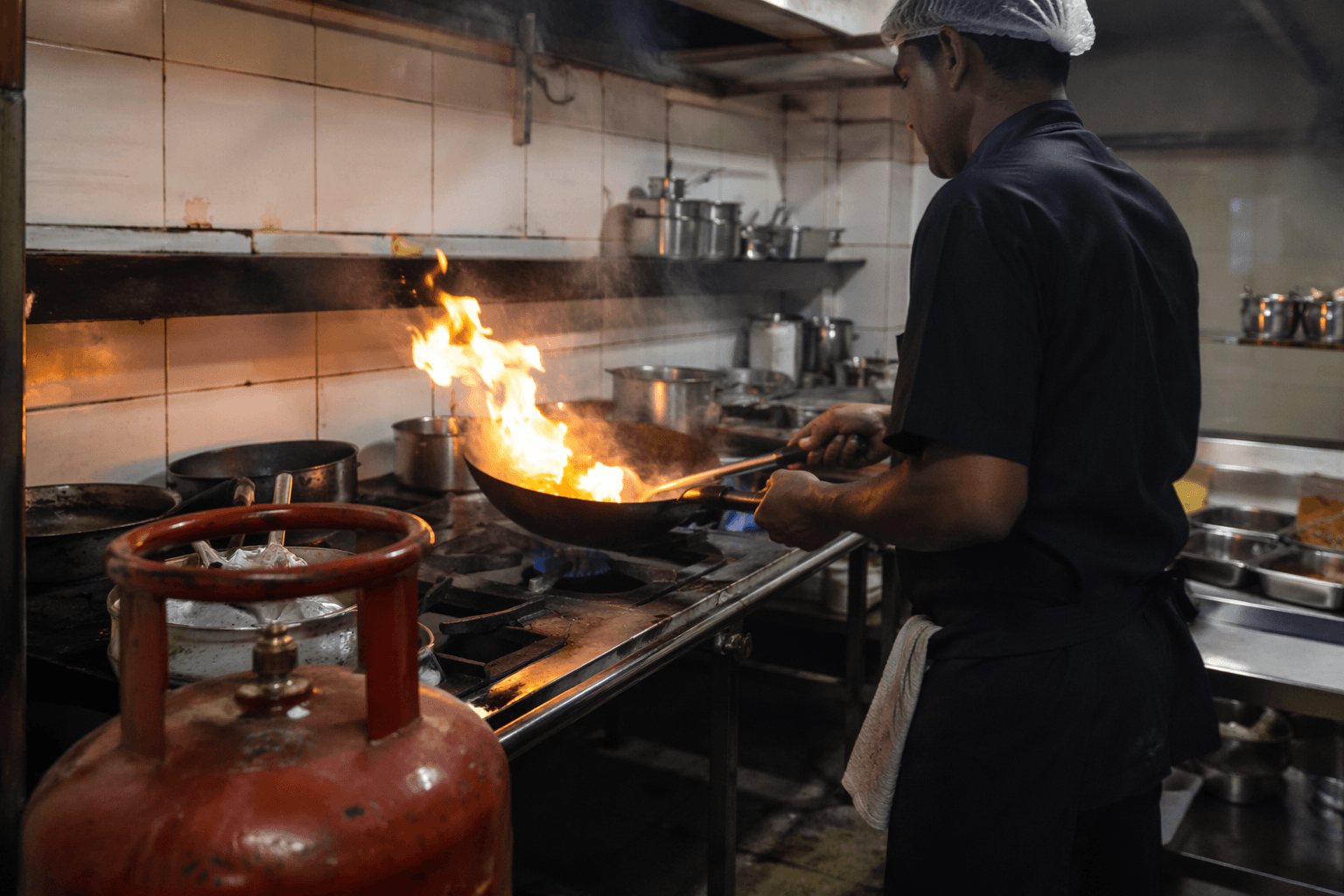
OSHA warns restaurants on slip and fall risks
Wet floors, clutter, and bad shoes turn routine restaurant work into preventable injuries that cost shifts, claims, and staffing stability.
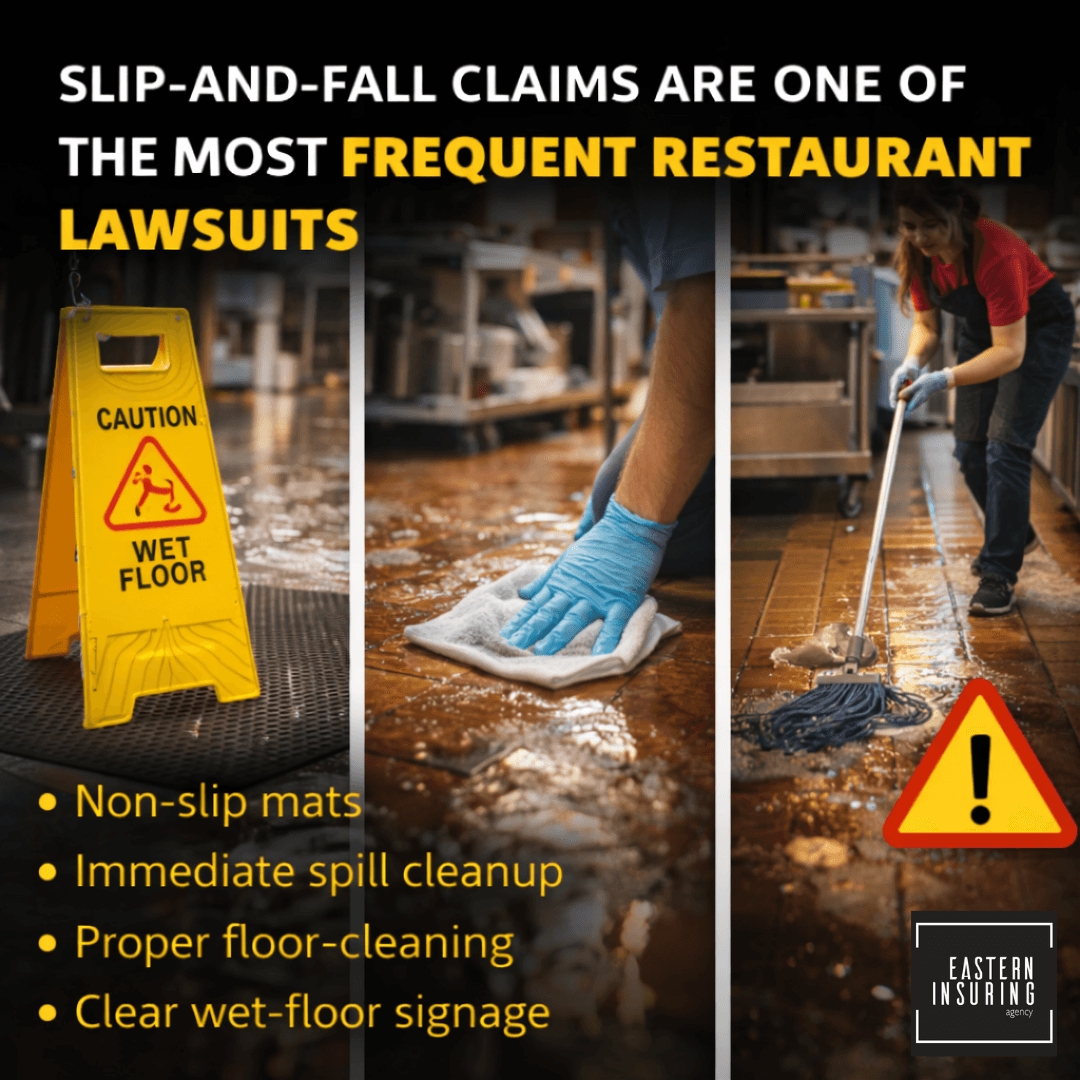
OSHA’s slips, trips, and falls guidance is one of the clearest restaurant safety playbooks because it points straight at the hazards workers see every shift: wet floors, spills, clutter, and crowded walkways. For restaurants already juggling labor shortages, burnout, and constant turnover, those accidents are not just injuries, they are avoidable costs that can take people off the schedule and put more pressure on everyone still on the floor.
Where restaurant falls actually happen
The risk in restaurants is rarely abstract. OSHA’s youth-worker materials spell out the daily trouble spots for cooks, servers, dishwashers, runners, and hosts: carrying trays or bins of dirty dishes, washing dishes, mopping floors, emptying trash, cleaning, and even spraying down parking lots. In the serving area, ice bins can send ice onto the floor and create puddles fast, which means the danger can build between one step and the next.
That is why the guidance matters so much for front-of-house and back-of-house alike. A line cook stepping around a slick dish pit, a server weaving past a wet service station, or a host crossing a cluttered hallway is all part of the same risk pattern. Teen workers and new hires can be especially vulnerable because they are still learning the pace of a busy dining room and may be less likely to call out a hazard when the room is slammed.
The floor problems managers cannot ignore
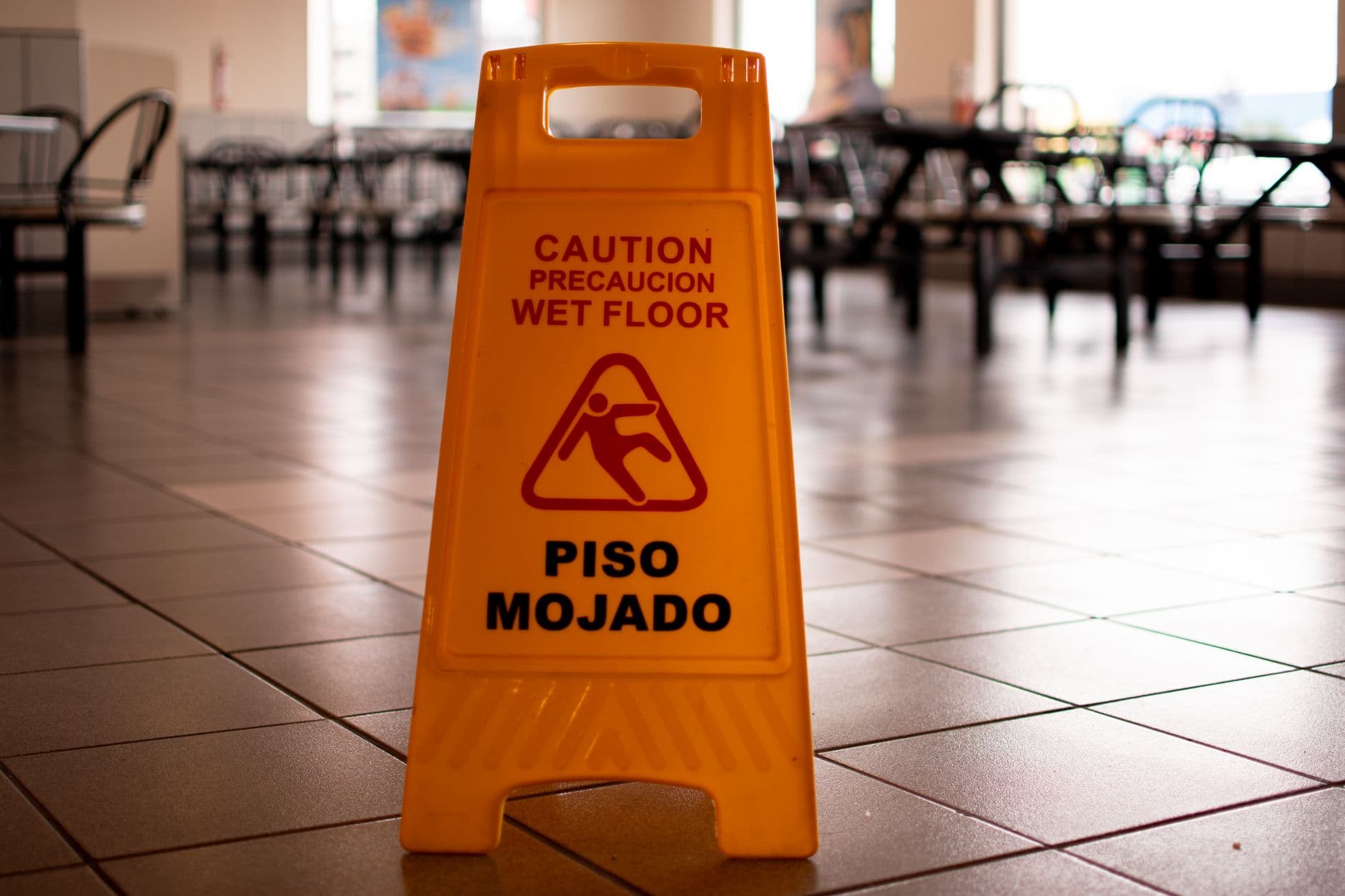
OSHA’s restaurant pages make the fix sound basic because, in practice, it is basic. Keep floors clean and dry. Keep aisles and passageways clear and in good repair. Post warning signs when mopping or when floors are wet. Use non-slip matting and keep mats clean and in place. Eliminate cluttered or obstructed work areas. Those small controls are what separate an orderly shift from a preventable injury.
The problem is that restaurants often let the same few hazards become part of the background noise. Spot mopping during rush periods, missing wet-floor signs, damaged mats that never get replaced, boxes left in the hallway, or cords near the pass all normalize risk. When that happens, a fall stops looking like an exception and starts looking like a feature of the operation, which is exactly the wrong message for a workplace with tight margins and constant motion.
Why this is an operations issue, not just a safety issue
Restaurants tend to think first about food safety, but slips and falls are among the most preventable injuries in the business. OSHA’s Walking-Working Surfaces standard, 29 CFR 1910.22, gives the guidance added weight because it ties these common-sense steps to an enforceable workplace rule. That means the issue is not just whether a manager wants safer floors, but whether the restaurant is keeping up with a standard that expects walkways to stay clean, dry, and usable.
For workers, that matters in very practical ways. A fall can mean a lost shift, a painful recovery, or a schedule that gets harder to hold onto in a business already marked by unstable hours and high turnover. For managers, the downstream effect can show up as workers’ comp claims, replacement hiring, and a team that moves more cautiously because the workplace feels unmanaged.
Shoes are part of the safety system
OSHA does not treat footwear as a side note. Its guidance recommends wearing sturdy shoes with slip-resistant soles and low heels, lacing and tightly tying them, and using waterproof non-slip footwear where needed. The agency also says slip-resistant shoes, immediate spill cleanup, caution signs during mopping, non-slip matting, and clutter control are key prevention steps.
That footwear advice is especially useful in restaurants because floor conditions change so quickly. Grease, oil, water, ice, and food spills can all show up in the same shift, and worn tread makes a bad floor even worse. If a restaurant expects workers to move fast around wet prep areas, dish rooms, and dining spaces, then the shoes on those workers’ feet are part of the operating model, not a personal preference.
What the data says about scale
The Bureau of Labor Statistics puts the broader injury picture in sharp relief. In 2023-2024, private-industry workers recorded 479,480 cases involving falls, slips, and trips. Across all sectors in 2024, 844 fatal work injuries were caused by falls, slips, or trips. BLS also reported 2,488,400 total nonfatal private-industry injury and illness cases in 2024, including 888,100 cases involving days away from work.
Restaurants sit squarely inside that risk landscape. BLS treats food services and drinking places as a major industry subsector that includes full-service restaurants, limited-service eating places, special food services, and drinking places. That broad category covers the kinds of work where wet floors, quick turns, and crowded paths are routine, which is exactly why OSHA’s restaurant guidance remains so practical.
Why footwear programs can pay off
There is also evidence that prevention works when operators actually invest in it. NIOSH highlighted a study of about 17,000 food-service workers across 226 school districts that found a no-cost, highly rated slip-resistant shoe program reduced slipping injuries. In the districts that received the shoes, claims fell by 67 percent, while the comparison group saw no decline.
That finding gives managers a clear answer when workers push back on the cost of safer shoes. It also fits the reality of restaurant culture, where employees often absorb part of the cost of doing the job, from clothing to transportation to the shoes that keep them upright on a greasy floor. A footwear program can be a small policy change with a large effect on injury prevention, and it signals that the employer is taking responsibility for the conditions people work in every day.
What a better safety routine looks like
A solid restaurant slip-and-fall program does not need to be complicated, but it does need to be consistent. The strongest habits are the ones OSHA repeats across its guidance:
- Clean up spills immediately.
- Post caution signs when mopping or when floors are wet.
- Use slip-resistant shoes.
- Keep non-slip matting clean and in place.
- Remove clutter and blocked walkways.
- Keep floors clean, dry, and in good repair.
The most important part is culture. If anyone on the floor can call out a wet spot, a missing sign, or a blocked aisle without getting blamed for slowing service, the restaurant has a much better shot at preventing injuries before they happen. In a business where every lost shift is expensive, that kind of discipline is not just safety work, it is sound operations.
This article was produced by Prism’s automated news system from verified source data, official records, and press releases, then run through automated quality and moderation checks before publishing. The system is built and supervised by the people who set the standards it runs under. Read our full AI policy.
Did this article answer your question?