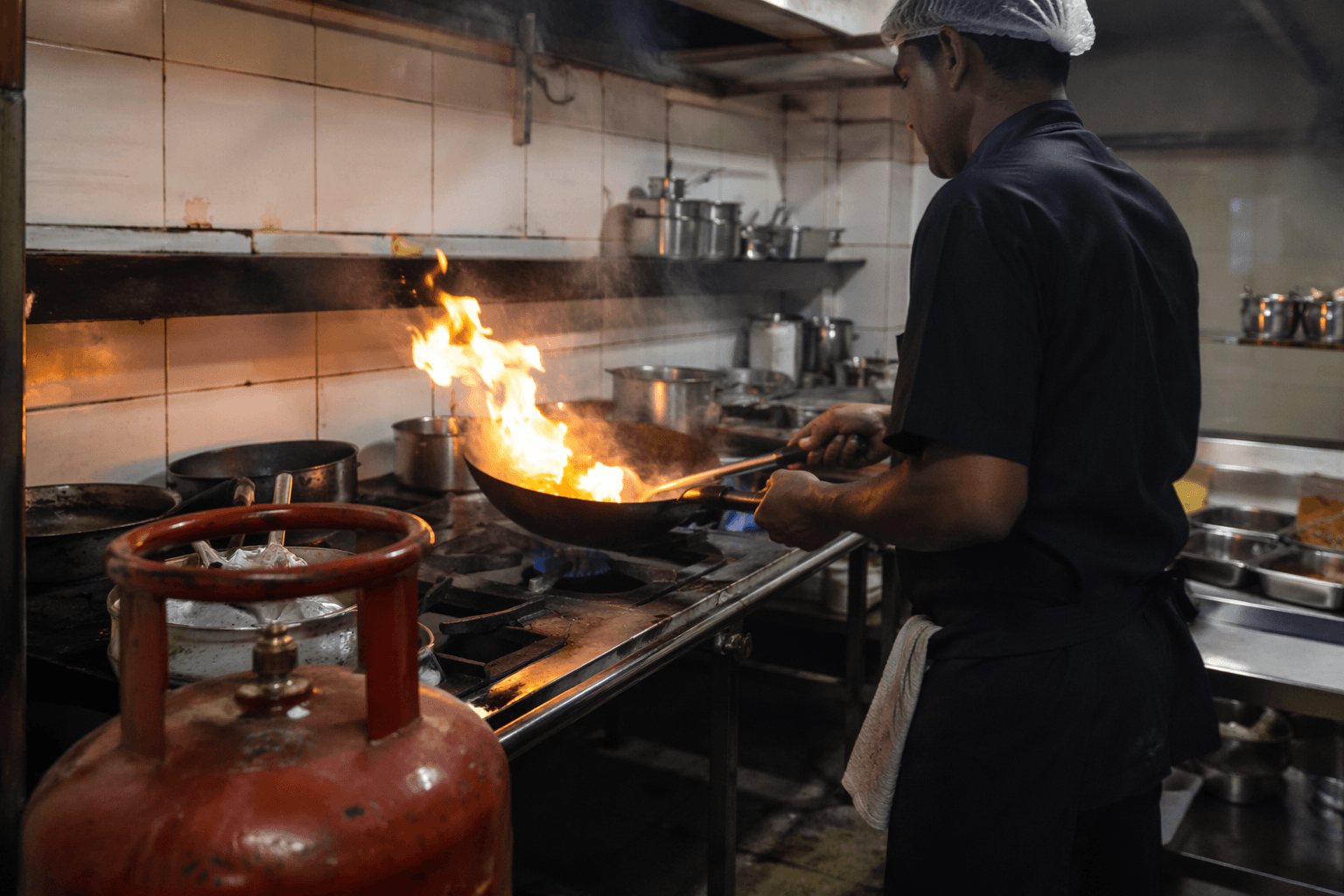
Paris inspectors uncover hygiene failures in busy 11th arrondissement bars, restaurants
Inspectors flagged improper food storage and pest problems across the 11th, where busy bars and restaurants now face public scrutiny and possible closure.
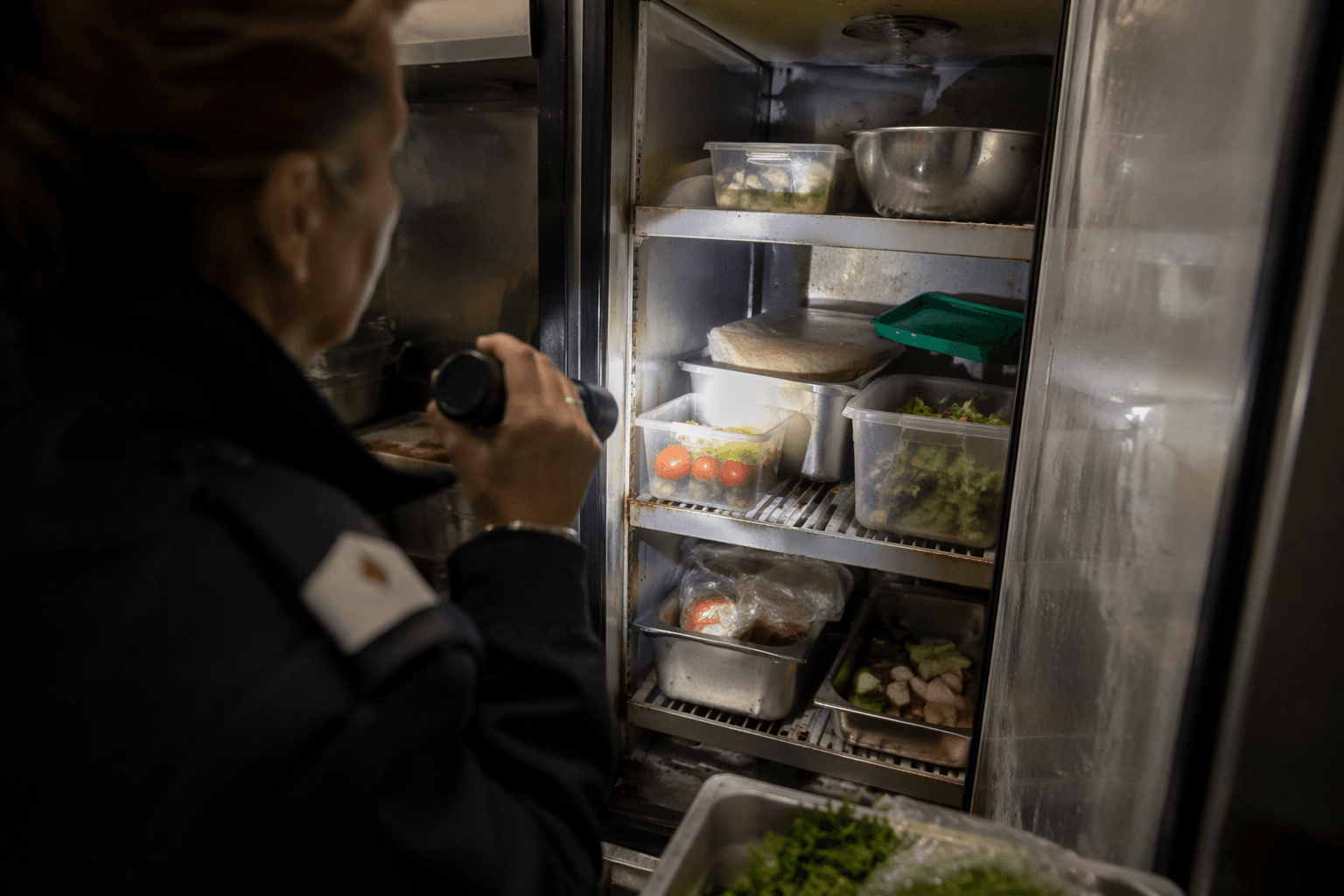
Widespread hygiene inspections in Paris’s 11th arrondissement turned up serious problems in bars and restaurants, including improper food storage and pest issues. In a district packed around Bastille, République, Oberkampf and Charonne, the findings landed where restaurant work is already most fragile, on the cooks, shift leads and closing crews who have to fix sanitation failures fast or watch them become a public-health case.
That pressure is built into how Paris enforces food safety. Official checks are carried out by inspectors from the Direction départementale de la protection des populations, and the results are publicly accessible through Alim’confiance. Paris authorities also provide a formal reporting route for suspected hygiene defects and foodborne illness incidents, including collective food poisoning complaints, so problems in a dining room, prep area or storage space can move quickly from an internal headache to an official record.
When inspectors find a serious danger to public health, they can order an administrative closure. That threat matters in a nightlife district as busy as the 11th, where the same small teams that keep service moving are often responsible for opening checks, stock rotation, waste handling and end-of-night cleanup. The violations now surfacing point to familiar weak spots in restaurant operations: thin staffing, uneven training and closing routines that do not consistently catch storage mistakes or sanitation lapses before the next service starts.
The industry response has been to push harder on prevention. Frank Delvau, president of cafés-restaurants in Île-de-France, has argued that recurring hygiene problems justify making a mandatory operating permit or equivalent training a condition for opening any restaurant, including street-food businesses. That argument is gaining force as reporting has shown hygiene-related administrative closures rising sharply across France since 2024, a sign of tighter enforcement and a reminder that inspection pressure is no longer confined to the worst offenders.

The 11th arrondissement has been on the radar before. An older district inspection summary found 27 restaurants checked there, with one rated poorly and 5% of the reviewed restaurants falling into the weak-hygiene category. For workers on the floor, the message is blunt: when storage, pests and sanitation go unchecked, the fallout is not abstract compliance language, but extra labor, lost shifts and a business that can be shut down if the risk is judged serious enough.
This article was produced by Prism’s automated news system from verified source data, official records, and press releases, then run through automated quality and moderation checks before publishing. The system is built and supervised by the people who set the standards it runs under. Read our full AI policy.
Did this article answer your question?