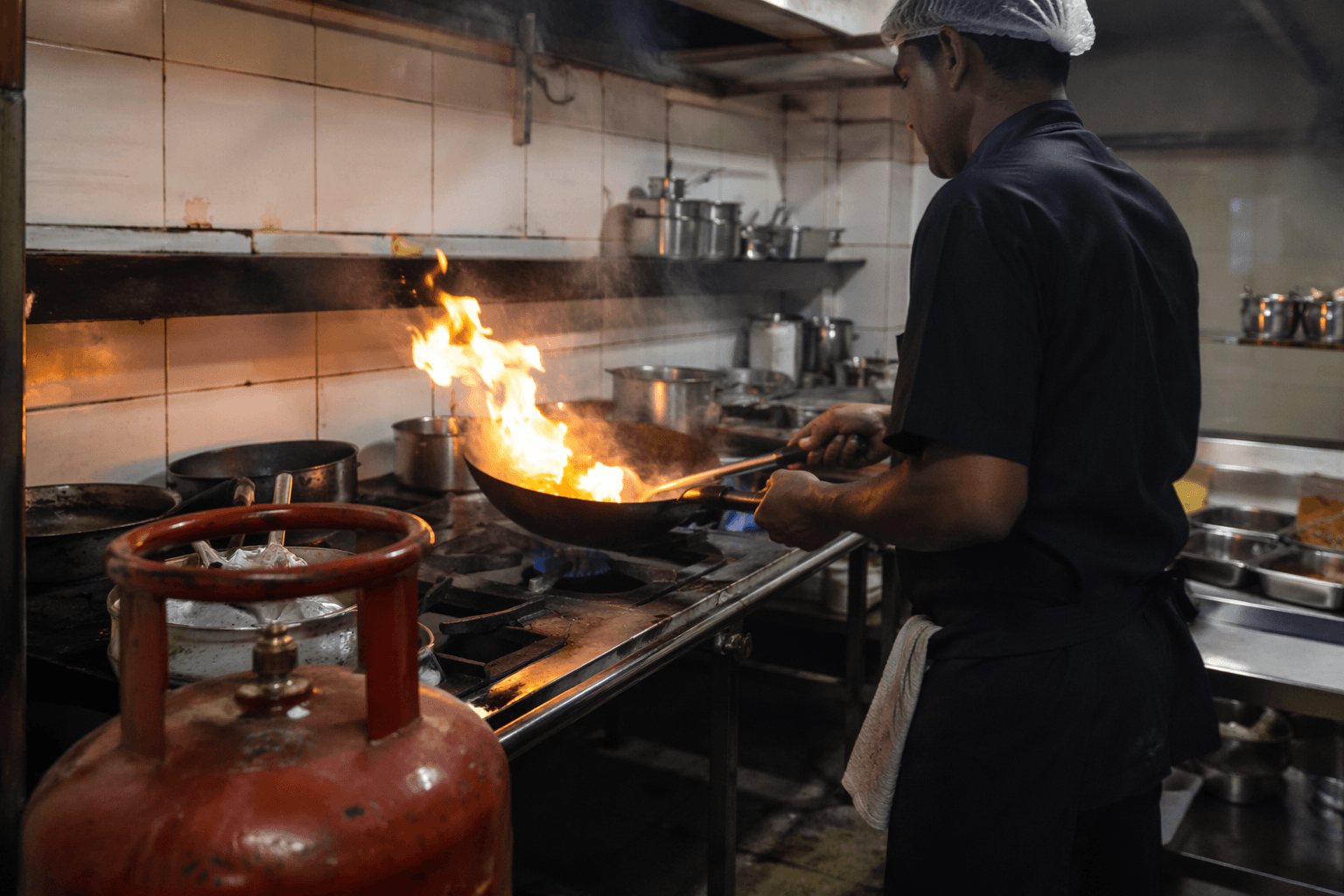
Pihakis Restaurant Group faces $13.7 million in claims, closes dozen restaurants
Pihakis Restaurant Group’s debt fight has already shut more than a dozen restaurants, leaving hourly staff chasing shifts, paychecks and new jobs.

A fight over millions in claims and liens at Birmingham-based Pihakis Restaurant Group has already turned into a labor emergency for restaurant workers across the Southeast. The company faces about $13.7 million in lawsuits and liens, and additional liens filed by real estate investor Michael Mouron pushed related claims against Pihakis-linked restaurants past $8.2 million. By May 6, more than a dozen Pihakis restaurants had closed in roughly three weeks.
The closures began on April 12, 2026, when Tasty Town Greek Restaurant and Lounge served its final meals. Since then, six more restaurants in the group have announced temporary closures, while Hero Diner in Montgomery closed permanently. Some Atlanta locations were also listed as temporarily closed, and the shutdown wave reached spots including Psito in Summerhill and Hero Diner in Fayetteville, Georgia. For line cooks, servers, bartenders and hosts, that kind of rapid contraction means more than a bad headline. It means lost shifts, schedules that change overnight, fewer tables to cover, and an immediate question about whether the next paycheck will arrive on time.
The pressure is especially sharp in restaurants because the business runs on thin margins and depends on a steady flow of labor. When a multi-concept operator starts pulling back this fast, workers often feel it first through shorter prep lists, reduced hours, sudden transfer offers or the silence that follows a closure notice. AL.com reported that organizations were helping former Pihakis workers look for jobs, a sign that the impact has moved beyond one brand or one dining room and into the broader restaurant labor market.
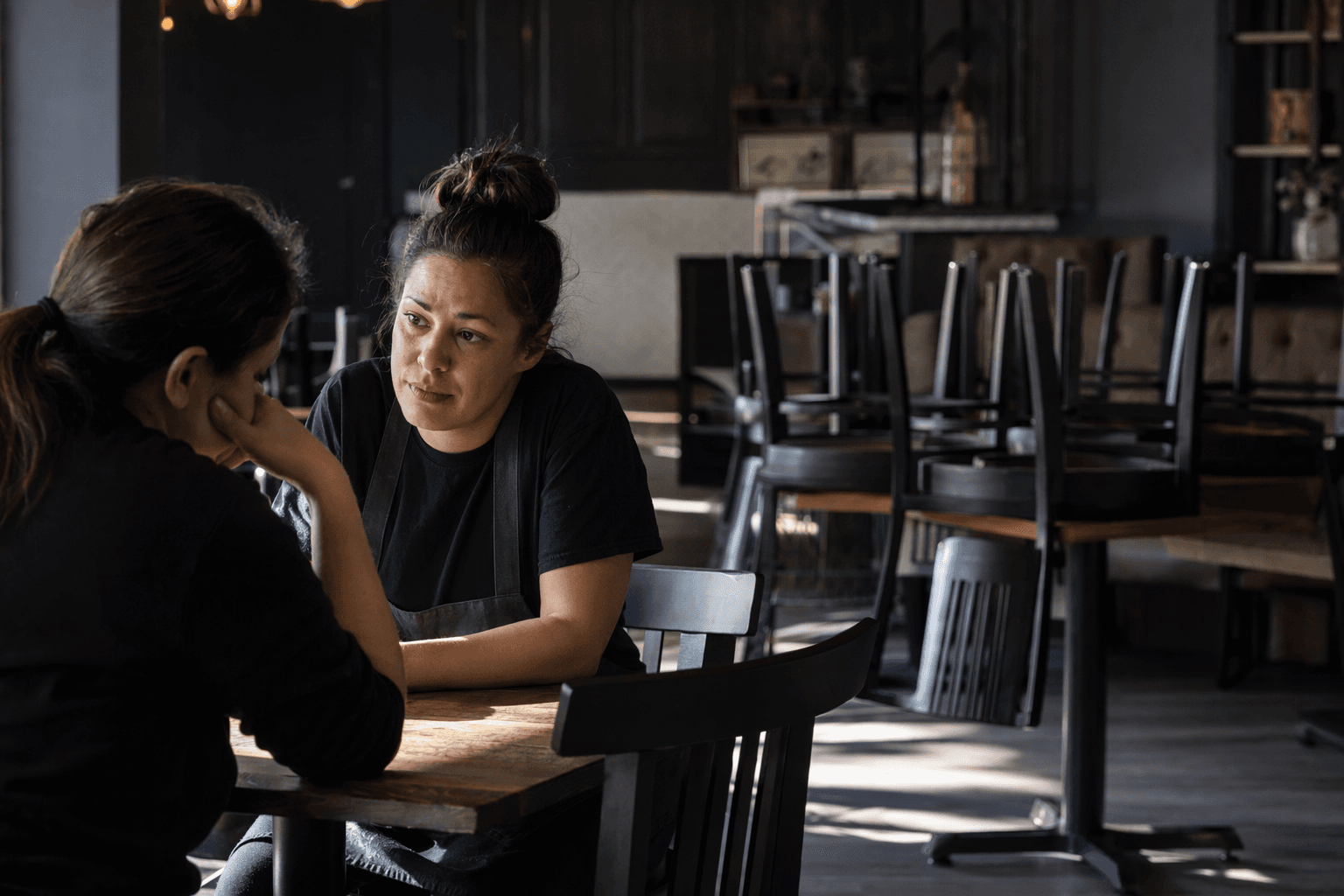
Pay timing is part of that anxiety. The U.S. Department of Labor says employers are not required by federal law to hand over a former employee’s final paycheck immediately, although some states do require faster payment. Alabama’s labor department says the state has no wage-and-hour law of its own, which leaves workers there under federal rules. For hourly staff living shift to shift, that can turn a closure into a scramble for rent money before the final paycheck lands.
The stakes are not abstract. Hero opened its first brick-and-mortar location in Homewood in 2017, and the brand is now caught in the same closure wave that has hit the rest of the group. For restaurant workers, the lesson is blunt: financial distress at the ownership level does not stay in the back office. It shows up on the schedule, in the dining room and, too often, in the last check.
This article was produced by Prism’s automated news system from verified source data, official records, and press releases, then run through automated quality and moderation checks before publishing. The system is built and supervised by the people who set the standards it runs under. Read our full AI policy.
Did this article answer your question?