Red Robin sees strongest traffic in three years as margins improve
Red Robin got more guests through the door and lifted margins, but the fix leans on value pricing, tighter labor control and manager tech.
Red Robin’s latest quarter showed a familiar restaurant paradox: traffic improved enough to reach its best level in three years, even as same-store sales still slipped and the company kept pressing on labor discipline. For hourly workers, that combination matters because it can mean steadier shifts and fuller dining rooms, but also more pressure to run lean when management is chasing margin.
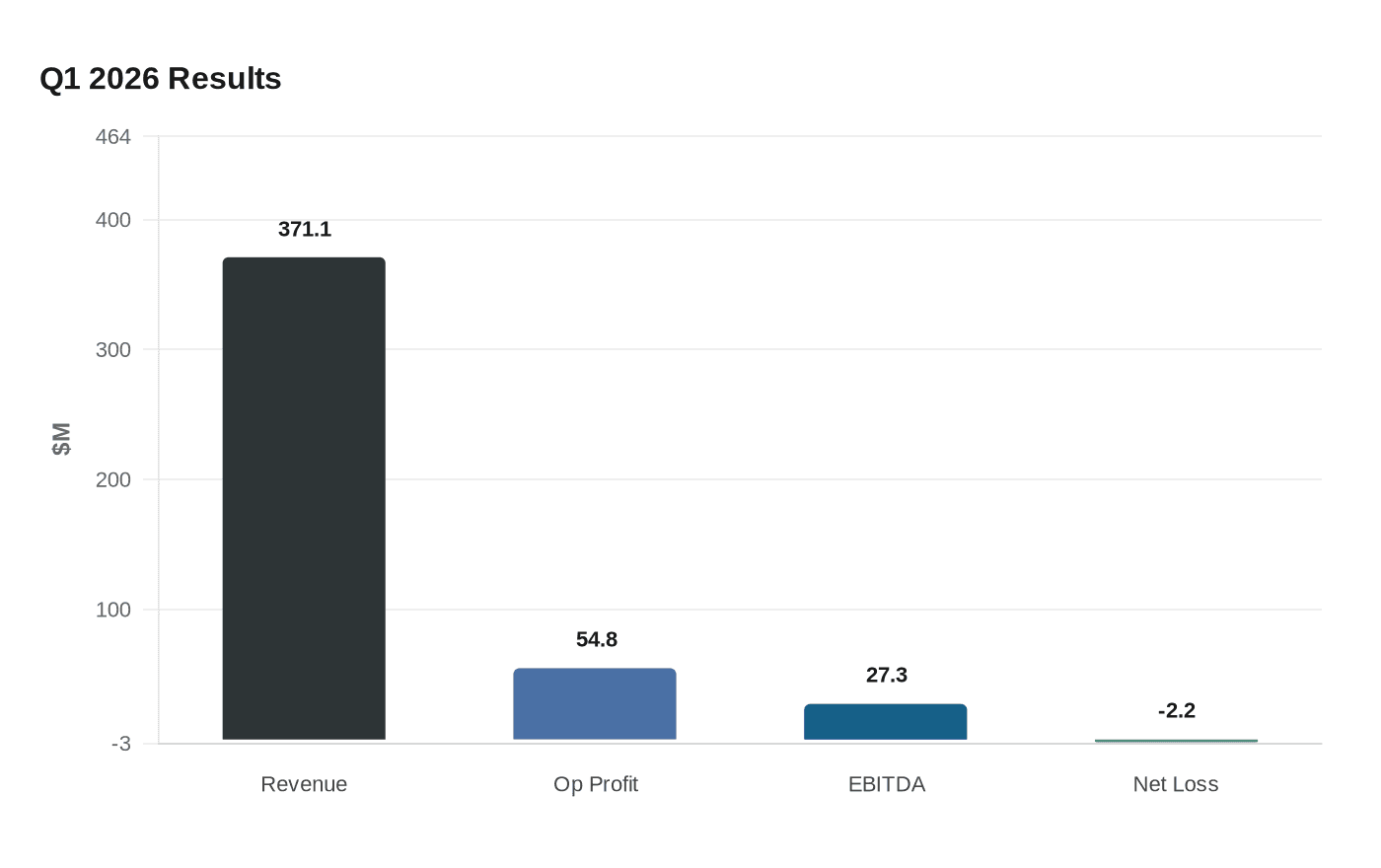
Red Robin Gourmet Burgers, Inc. said comparable restaurant revenue fell 0.6% in the first quarter of 2026. Guest traffic declined 1.6%, but the average guest check rose 1.0%, and the chain said the traffic trend was its strongest since the first quarter of 2023. Restaurant-level operating profit margin improved 50 basis points from a year earlier to 14.8%, on restaurant revenue of $371.1 million and restaurant-level operating profit of $54.8 million.
The company’s pitch to guests has shifted hard toward value. Red Robin said value meals now account for more than 13% of sales, and earlier testing of the Big Yummm platform helped revive traffic without much margin damage. In the fourth quarter of 2025, Big Yummm accounted for about 10% of sales, even as comparable restaurant sales fell 3.3% excluding deferred loyalty revenue and traffic fell 3.6%. That matters on the floor because value traffic can fill seats, but it can also bring thinner checks unless operators keep ticket times, labor and table turns tight.
Red Robin’s turnaround effort now runs through its First Choice plan, unveiled in July 2025, which built on the North Star program that started in 2023 under G.J. Hart. David Pace has kept the emphasis on operations, but he has paired it with more targeted marketing, more authority for managing partners and a push for simpler execution. The company also said it gave managers companywide access to ChatGPT in the fall of 2025, and that managers have used it for labor spend, forecasting and food-cost analysis.
That technology push is part of the same calculus as the labor model. Red Robin previously cut complexity, then added back roles such as bussers and bartenders after wait times worsened. It has also tied manager pay more closely to restaurant performance, a change that can sharpen accountability but can also push managers to squeeze staffing and watch every labor hour. For servers, hosts, bartenders and cooks, the upside is a busier room and better odds of staying scheduled. The downside is the usual one in casual dining: when a chain tries to buy traffic with value and protect profits with discipline, the pressure lands on the dining room first.
The numbers show the turnaround is moving, but not cleanly. Adjusted EBITDA was $27.3 million, down slightly from $27.9 million a year earlier, and the company posted a net loss of $2.2 million after a $1.2 million profit last year. Red Robin still kept full-year 2026 comparable restaurant revenue guidance at 0.5% to 1.5%, signaling that management sees a fragile recovery, not a clean rebound.
This article was produced by Prism’s automated news system from verified source data, official records, and press releases, then run through automated quality and moderation checks before publishing. The system is built and supervised by the people who set the standards it runs under. Read our full AI policy.
Did this article answer your question?