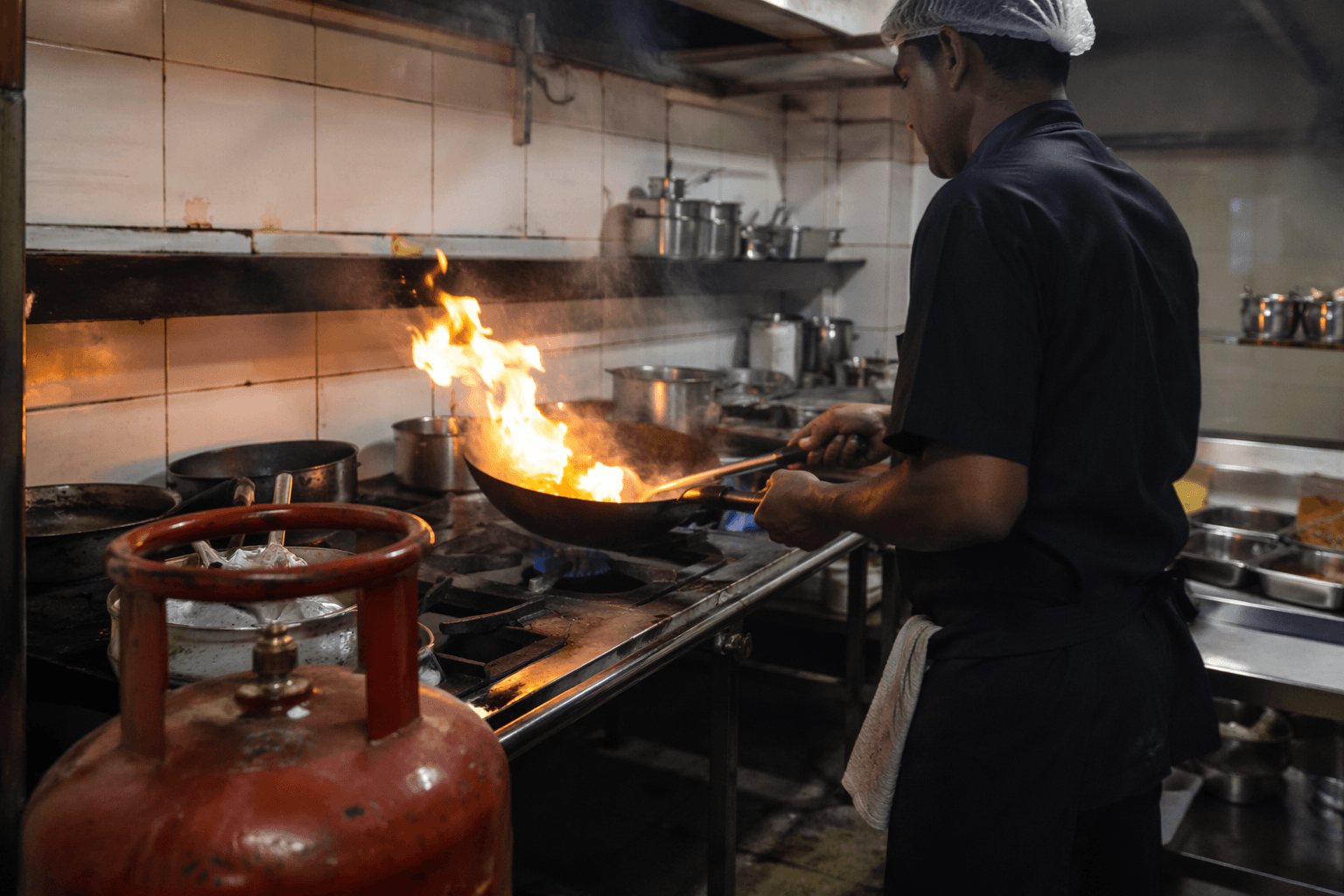
Restaurant certifications help workers build skills and move up
The right restaurant credential can do more than satisfy a checklist: it can help you get trusted faster, move into management, and show employers you can handle risk.

A line cook trusted on a busy station, a bartender handling alcohol service, and a manager candidate who understands more than scheduling and ordering all stand to gain from certification. The National Restaurant Association offers programs aimed at helping restaurants attract and develop a strong workforce while keeping teams safe.
Which certifications actually move your career
The biggest divide is between credentials that mainly satisfy compliance and credentials that help you get hired faster or move up. The National Restaurant Association’s lineup includes ServSafe Food Handler, ServSafe Manager, ServSafe Allergens, ServSafe Alcohol, ServSafe Workplace, ManageFirst, and the Foodservice Management Professional credential. That range reflects how restaurants actually hire: they want people who can cook, serve, supervise, and avoid the kinds of mistakes that create liability, bad inspections, and turnover.
For hourly workers, ServSafe Food Handler and ServSafe Allergens are the clearest entry points. A cook who understands cross-contamination, or a server who can spot an allergen issue before it reaches the pass, looks more dependable on day one. A bartender with ServSafe Alcohol training is easier to trust with a crowded bar, a rushed Friday night, and the judgment calls that come with checking IDs and refusing service when necessary.
Why food safety credentials matter on the line
Food safety is not abstract in a restaurant. The Centers for Disease Control and Prevention says around 800 foodborne illness outbreaks occur in the United States each year, most linked with restaurants, and more than half are related to restaurants or delis. In that setting, a certified worker is not just checking a box, they are reducing the chance that one bad procedure turns into a table-to-table problem.
That is why ServSafe Manager carries weight beyond the back office. The Food Protection Manager certification is accredited by the American National Accreditation Board and the Conference for Food Protection, which gives employers a cleaner signal that the training is tied to a recognized standard. The Food and Drug Administration’s 2022 Food Code also continues to encourage state, local, tribal, and territorial partners to adopt the latest version of the code, which keeps the pressure on operators to use training that matches current safety expectations.
The CDC says restaurants with food-safety-certified managers are less likely to have foodborne illness outbreaks, have better food safety practices, and receive fewer critical violations on inspections. For workers, that translates into practical power: a certified manager can set the pace on the line, correct habits before they become write-ups, and make the kitchen less chaotic for everyone else.
The management track is where credentials can pay off fastest
If you want to move from station work into a leadership role, ManageFirst and the Foodservice Management Professional credential are the clearest signs that you are building toward management, not just accumulating tickets. ManageFirst is a management development program that equips students with competencies to begin or advance management careers, and it has been adopted by more than 350 colleges and universities.
The ManageFirst program also includes textbooks, exams and certificates, and the Restaurant Management Professional credential demonstrates mastery of competencies to future employers. In practice, that can help a shift leader, assistant manager, or strong line cook show that they understand leadership, food safety, and day-to-day operations.

What makes a manager credible to owners and crews
Restaurant managers are often judged on whether the floor runs smoothly, the walk-in stays organized, and the team keeps moving when staff call out. A credential alone does not do that work, but it can tell an employer that you know the standards behind the work. Managers are in a key position to influence policies and practices that affect food safety, which is exactly why certifications carry more weight when they are attached to people who already handle labor, ordering, training, and discipline.
That is also why employers often value credentials that reach beyond cooking. The worker who can explain allergen control, alcohol rules, sanitation steps, and basic management principles is easier to promote than someone who only knows their own station.
Workplace training matters when culture drives turnover
Restaurant certification is not only about food and alcohol. The National Restaurant Association’s education resources include workplace training aimed at creating and sustaining a positive work environment, and ServSafe Workplace was launched in June 2018 to support a safe and harassment-free workplace.
The Equal Employment Opportunity Commission says regular, interactive, audience-tailored training is one of the core practices that helps prevent harassment. A kitchen or dining room with clear expectations and real training is easier to stay in, easier to manage, and less likely to lose good people to a toxic shift or a bad boss.
Turnover rates of 120% to 130% annually for one major global restaurant brand meant replacing entire workforces and then some every year.
How to use certifications as a step up, not a stop sign
The smartest way to think about restaurant certifications is by the job you want next. If you are trying to get hired faster, food handler, allergen, and alcohol credentials can make your resume easier to trust. If you are aiming at shift lead, kitchen manager, or general manager, ServSafe Manager, ManageFirst, and the Restaurant Management Professional credential tell employers that you are serious about the work behind the work.
This article was produced by Prism’s automated news system from verified source data, official records, and press releases, then run through automated quality and moderation checks before publishing. The system is built and supervised by the people who set the standards it runs under. Read our full AI policy.
Did this article answer your question?