Restaurant chain shutdowns become more common after the pandemic
Three mid-sized chains have already closed in 2026 as On the Border, Bahama Breeze and Smokey Bones show how fast a restaurant can slide from strain to shutdown.

Three mid-sized restaurant chains with well-known names have already closed in 2026, a sign that the old assumption that a struggling brand will be sold rather than shut down is getting weaker. Since the pandemic, Chapter 7 filings and outright brand closures have become far more common, and more than 20 restaurant chains or large-scale franchisees sought court-ordered debt protection in 2025.
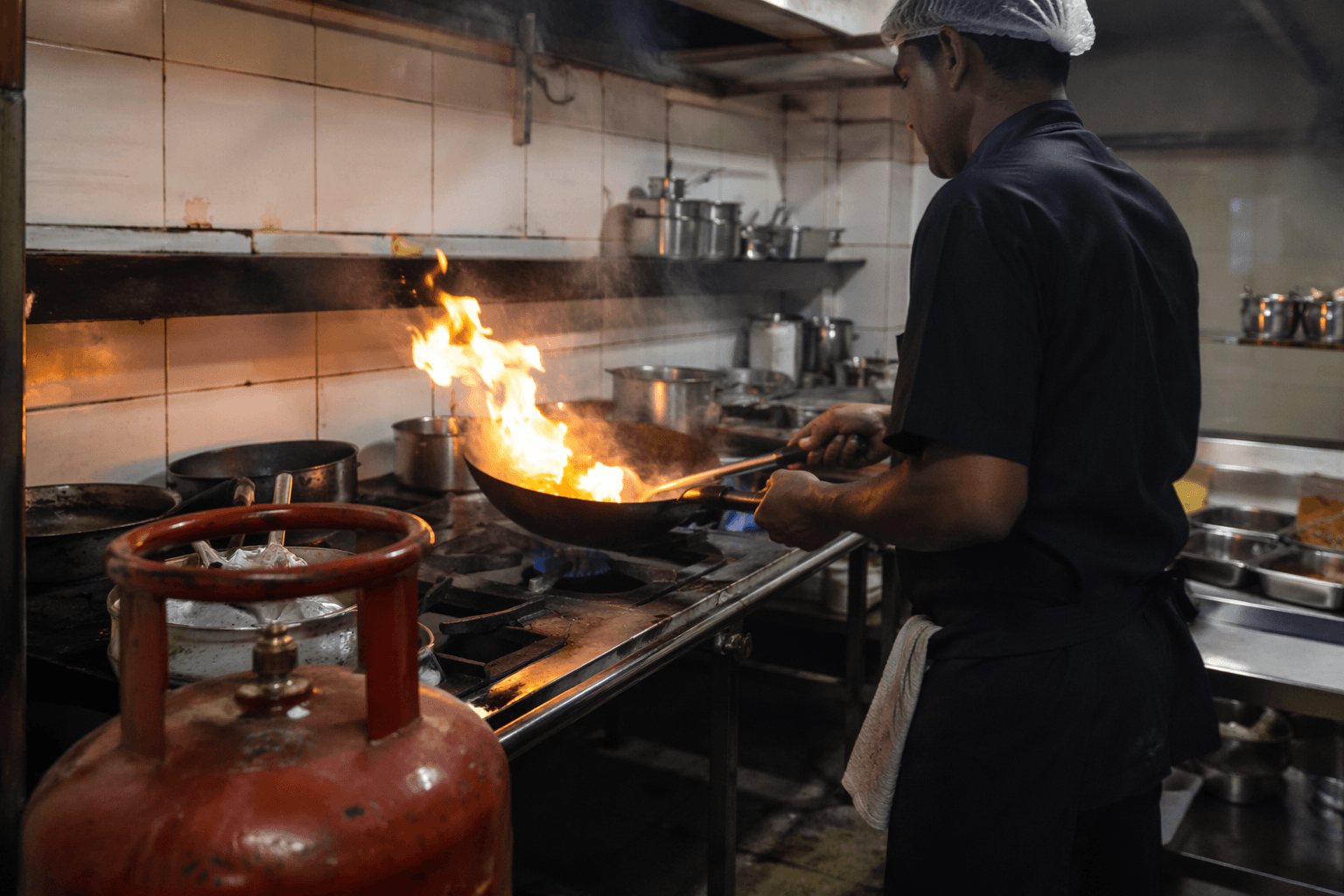
For workers, the red flags are getting easier to spot once a brand starts shrinking. On the Border’s operating company filed for Chapter 7 liquidation in June 2026 after closing nearly all company-owned restaurants, leaving only six franchisee-owned units operating separately. That is the kind of collapse that moves quickly from reduced schedules and fewer corporate resources to lost jobs and sudden transfers, especially for hourly staff who depend on stable shifts and tip income.
Bahama Breeze offered a different version of the same warning. On Feb. 3, 2026, Darden Restaurants said the concept’s 28 locations were no longer a strategic priority. Darden later decided to permanently close 14 restaurants and convert the remaining 14 into another Darden brand. For unit managers, that kind of announcement usually signals that lease decisions, labor budgets and menu support are no longer being defended one store at a time. For servers, bartenders and hosts, it often means the brand name on the building can change before anyone has a clear path to the next pay period.
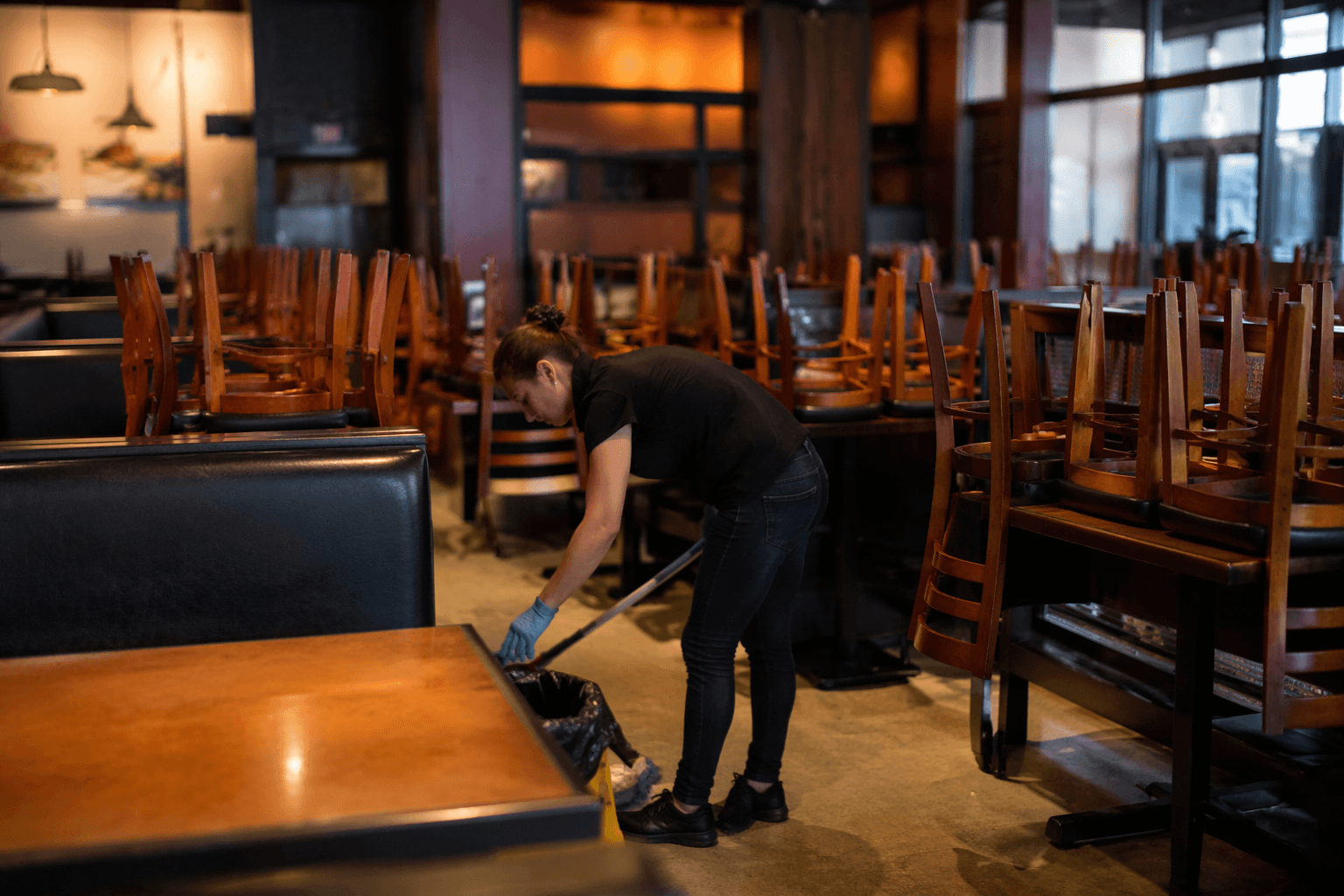
Smokey Bones showed how a chain can keep contracting until there is nothing left to preserve. The barbecue brand, owned by Twin Hospitality Group and FAT Brands, was reported in 2026 to be closing all remaining locations after earlier rounds of shutdowns. Before the latest closures, it had about 30 restaurants in 15 states. That is the kind of footprint that can disappear fast when traffic softens, financing dries up and a parent company decides there is no longer enough value in holding on.
The broader market is still uneven. The National Restaurant Association’s 2026 industry outlook still points to sales growth, but operators and diners remain uncertain. At the same time, industry data cited this year put full-service restaurants at greater risk of shuttering than limited-service units, which matches the pattern hitting familiar casual-dining names hardest.

For restaurant workers, the clearest warning signs are no longer subtle: repeated closures, conversion talk, debt protection filings, and a shrinking footprint that starts with one market and ends with the whole chain. Once those signals appear, the timeline from “restructuring” to shutdown can be measured in months, not years.
This article was produced by Prism’s automated news system from verified source data, official records, and press releases, then run through automated quality and moderation checks before publishing. The system is built and supervised by the people who set the standards it runs under. Read our full AI policy.
Did this article answer your question?