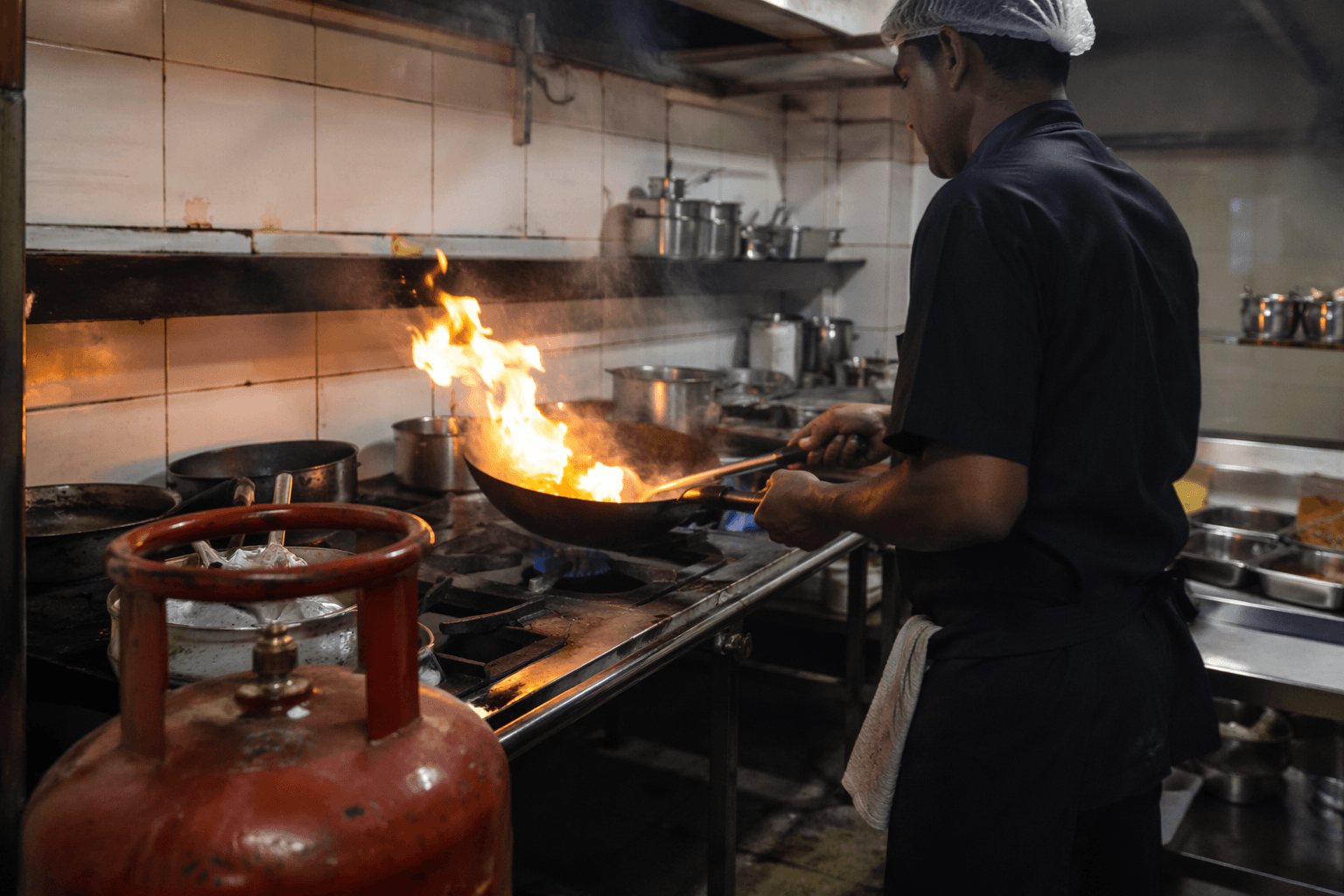
Restaurant closures at Wendy’s, Pizza Hut and others signal wider job shifts
Wendy’s, Pizza Hut and Papa John’s are cutting hundreds of stores, putting transfers, shifts and jobs on the line for restaurant crews.
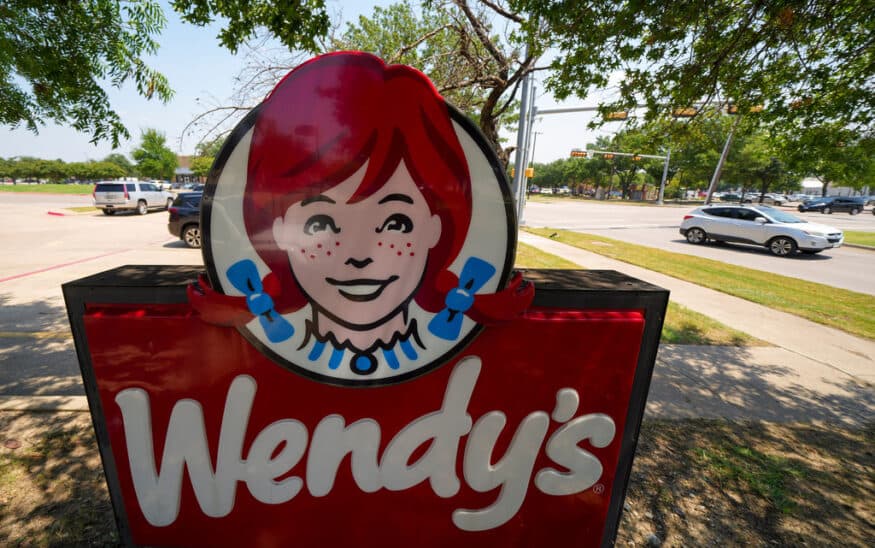
Hundreds of restaurant locations are set to disappear from chain maps in 2026, and for workers that means more than weaker sales or a cleaner balance sheet. At Wendy’s, Pizza Hut, Papa John’s and Red Lobster, the latest round of closures is reshaping where crews work, who gets transferred, and which managers keep their spots as brands pull back from underperforming sites.
Wendy’s said on May 8 that it plans to close 5% to 6% of its U.S. restaurants in the first half of the year, which works out to roughly 298 to 358 stores out of 5,969. The Dublin, Ohio-based chain said it was taking “decisive action” to strengthen the system after reporting global systemwide sales of $3.2 billion in the first quarter, down 5.5% from a year earlier. For hourly workers, that kind of reduction usually means a fast scramble: some employees may be moved to nearby units, others may face longer commutes, and some stores may simply lose enough volume that a full crew no longer makes sense.
Pizza Hut is making a similar cut. Yum! Brands put the pizza chain under strategic review in late 2025, and by February outlets reported that Pizza Hut would close 250 underperforming U.S. locations in the first half of 2026, or about 4% of its domestic system. That scale matters because Pizza Hut’s footprint is spread through franchised and corporate stores, which can leave local teams absorbing the fallout unevenly depending on who owns the lease, the labor bill and the remaining sales.

Papa John’s is taking a longer view but aiming at a bigger reset. The company said it would close 300 underperforming North American stores by the end of 2027, with about two-thirds of those closures expected in 2026. It also said it would cut 7% of its corporate workforce as part of a broader transformation plan under CEO Todd Penegor. That combination signals a retrenchment that reaches beyond store crews: district managers, training teams and support staff can all get pulled into the same contraction.
Red Lobster is still working through the aftershocks of its bankruptcy restructuring. The chain closed about 130 restaurants in 2024 and ended that year with 518 U.S. stores. In February, reporting said CEO Damola Adamolekun was weighing more closures of underperforming locations even as foot traffic and sales improved. For restaurant workers, that is the clearest sign that recovery does not always mean stability.

The common thread is not collapse but shrinkage. Inflation, higher labor costs and changing customer behavior have forced chains to prioritize profitable units over blanket expansion, and that shift can change schedules, promotion paths and staffing levels as quickly as it changes the store count. The brands that survive this round may be leaner; the crews left behind will be the ones proving whether leaner can also mean steadier.
This article was produced by Prism’s automated news system from verified source data, official records, and press releases, then run through automated quality and moderation checks before publishing. The system is built and supervised by the people who set the standards it runs under. Read our full AI policy.
Did this article answer your question?