Restaurant design shifts to prioritize employee efficiency
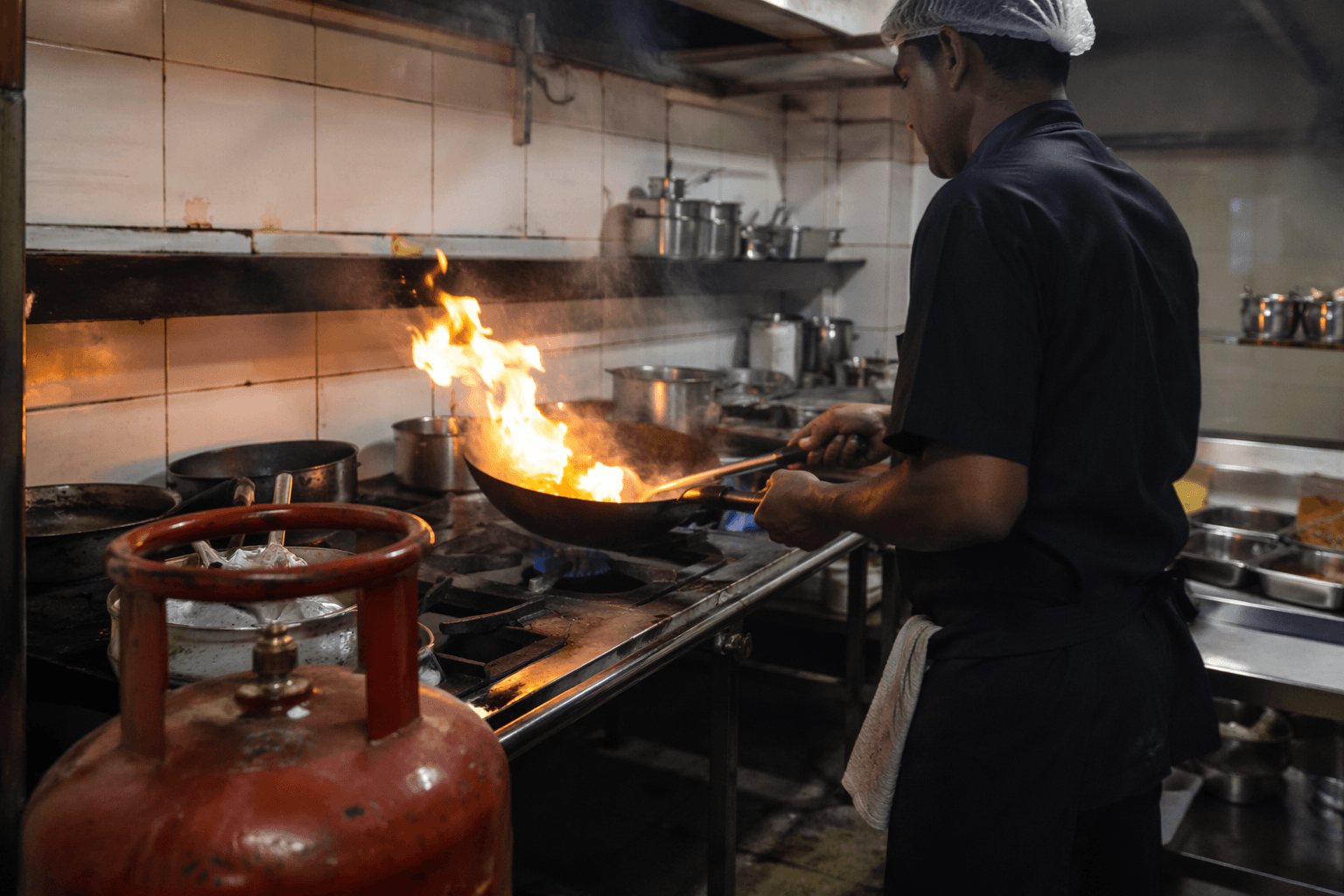
The newest restaurant upgrades are less about flash than fatigue: tighter layouts, simpler menus, and faster pickup systems are aimed at helping crews work longer and leave less often.
Employee-first design is becoming the new operating model
A better restaurant floor plan can do more for a shift than a motivational poster ever will. Across the industry, operators are treating layout, equipment placement, and menu complexity as labor decisions, not just design choices, because every wasted step adds strain to a line cook, a bartender, a host, or a drive-thru crew member trying to keep pace.
That shift makes sense in an industry the National Restaurant Association says will contribute $3.5 trillion in output to the U.S. economy in 2024 and support 22.9 million employees. It is also an industry built around smaller units than outsiders often assume: 9 in 10 restaurants have fewer than 50 employees, and 7 in 10 are single-unit operations. In businesses that lean so heavily on a small team, one awkward station or bottlenecked pickup area can affect the whole shift.
The physical layout now does part of the management work
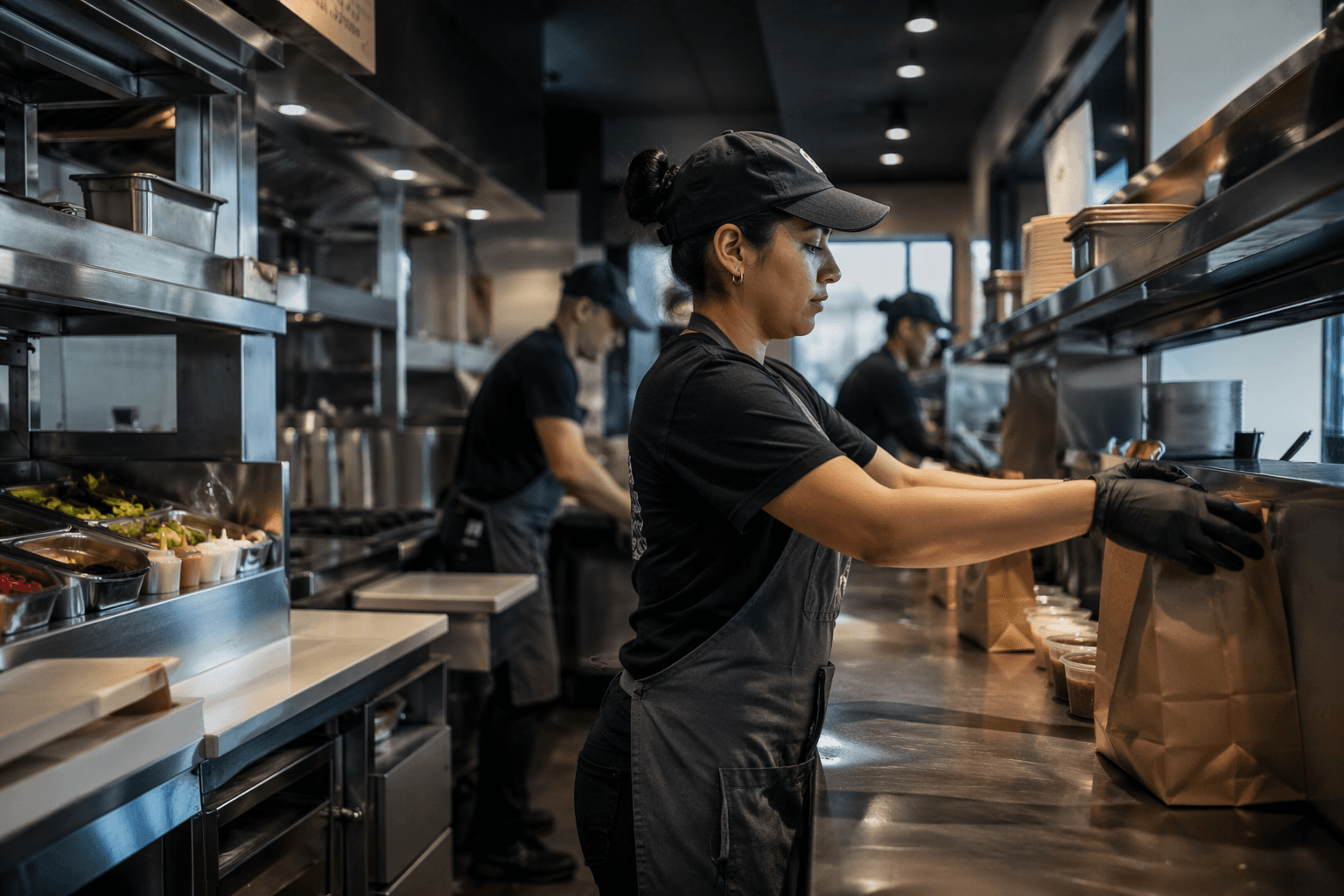
The clearest change is that more companies are simplifying operations, removing SKUs, and adding design elements meant to improve the employee experience. That can mean clearer stations, shorter travel paths, and fewer collisions between team members trying to move through a cramped kitchen during a rush. For workers, that is not a cosmetic upgrade. It can mean fewer slammed shoulders, fewer missed handoffs, and less of the chaos that turns a busy dinner into a bad night.
For line cooks and prep cooks, a smarter layout can cut down on the unnecessary back-and-forth that drains energy before the tickets even pile up. For hosts and front-of-house staff, better pickup and flow patterns can reduce confusion over where orders are staged and who is responsible for them. When the design works, managers spend less time solving preventable problems and more time on actual service.
That is why the article’s core argument lands as a workplace issue, not just an operations trend. Employee-friendly design is not charity. It is a way to keep people moving efficiently enough that the guest experience improves as a result.
Simpler menus can ease the pressure on the kitchen
Menu simplification is one of the most practical changes in this move toward employee-first design. Industry coverage from Restaurant Business and QSR Magazine has tied fewer items and fewer SKUs to easier training, fewer mistakes, less waste, and kitchen layouts that are easier to run under pressure. For a new hire trying to learn the line, a shorter menu can mean less memory load and fewer moments of panic when a modification hits during a rush.
That matters because training time is one of the first places labor strain shows up. If the station is overloaded with ingredients, steps, and one-off builds, a new worker takes longer to get up to speed and is more likely to make errors that slow the whole team down. A leaner menu gives managers a better shot at keeping service consistent even when the back of house is short-staffed or still learning.
This is where design and pay intersect. Many restaurants still depend on tipped front-of-house roles to subsidize wages, while line cooks and prep staff often do more physical work with less upside tied to the check average. In that environment, a simplified operation can make the shift more survivable for the people who do not benefit from the same tip-line cushion.
The retention problem is built into the floor plan
Cornell hospitality research has long described turnover as a vexing problem in hospitality, and quick-service restaurants have historically faced especially high annual turnover. Cornell has also estimated the average cost of replacing a restaurant employee at $5,864, a figure that makes every unnecessary resignation expensive in direct and indirect ways. If a workplace feels exhausting, confusing, or physically punishing, staff notice quickly and leave faster.
That reality is reflected in more recent industry data as well. National Restaurant Association reporting says 77% of restaurant operators still describe retaining employees as a significant challenge. Black Box Intelligence said in October 2024 that hourly turnover rates were improving, but that does not erase the pressure on operators to keep the people they already have. Better design is one of the few levers that can make a shift feel more manageable without asking the crew to simply tough it out.
The point for managers is blunt: if the kitchen is designed in a way that forces extra steps, repeated lifting, or constant cross-traffic, you are building burnout into the operation. That does not just hurt morale. It shows up in labor costs, service quality, and the kind of turnover that sends a restaurant back into hiring mode before the last round of orientation has even settled.
What this looks like in practice
Chick-fil-A has offered one of the clearest examples of the new thinking. Its first elevated drive-thru concept in McDonough, Georgia, includes four drive-thru lanes and an elevated kitchen with a meal transport system. The company said that system can deliver a meal to a team member every six seconds, a number that shows how tightly design is now being linked to speed, throughput, and labor efficiency.
Chipotle has taken a similar approach across about 3,700 restaurants, saying its kitchen upgrades are intended to reduce complexity and simplify the team-member experience. In practical terms, that means reducing the friction employees feel every time they reach, pivot, bag, plate, or hand off food. The stated goal is to let employees focus more on leading teams and serving food instead of fighting the layout.
For workers, those examples matter because they show what good design can buy you on a hard shift: fewer wasted motions, less confusion at pickup, and a smoother handoff between front of house and back of house. For managers, they show that design can be a retention tool, a training tool, and a service tool at the same time.
The restaurant of the future is also a better place to clock in
The industry’s biggest design changes are not about spectacle. They are about making the building work harder for the people inside it. Fewer unnecessary steps, fewer menu complications, more thoughtful pickup zones, and stations that reduce fatigue all push in the same direction: less friction, fewer mistakes, and less burnout.
That is the deeper lesson in the move toward employee-first restaurants. A layout that helps staff keep pace during a rush is not only good for labor. It is good for service, good for retention, and good for the bottom line in an industry where the margin for dysfunction is still far too thin.
This article was produced by Prism’s automated news system from verified source data, official records, and press releases, then run through automated quality and moderation checks before publishing. The system is built and supervised by the people who set the standards it runs under. Read our full AI policy.
Did this article answer your question?