Restaurant group urges Trump to back USMCA, avoid tariffs
The NRA says protecting USMCA and reining in swipe fees matters because food costs are already up 31% since 2019.

When food costs climb, the squeeze usually shows up first in the schedule, not the menu. The National Restaurant Association is pressing Donald Trump to back the U.S.-Mexico-Canada Agreement and avoid new tariffs, arguing that duty-free supply lines and lower input costs give restaurants a little more room to protect labor budgets. The association says that matters because food costs have already risen 31% since 2019.
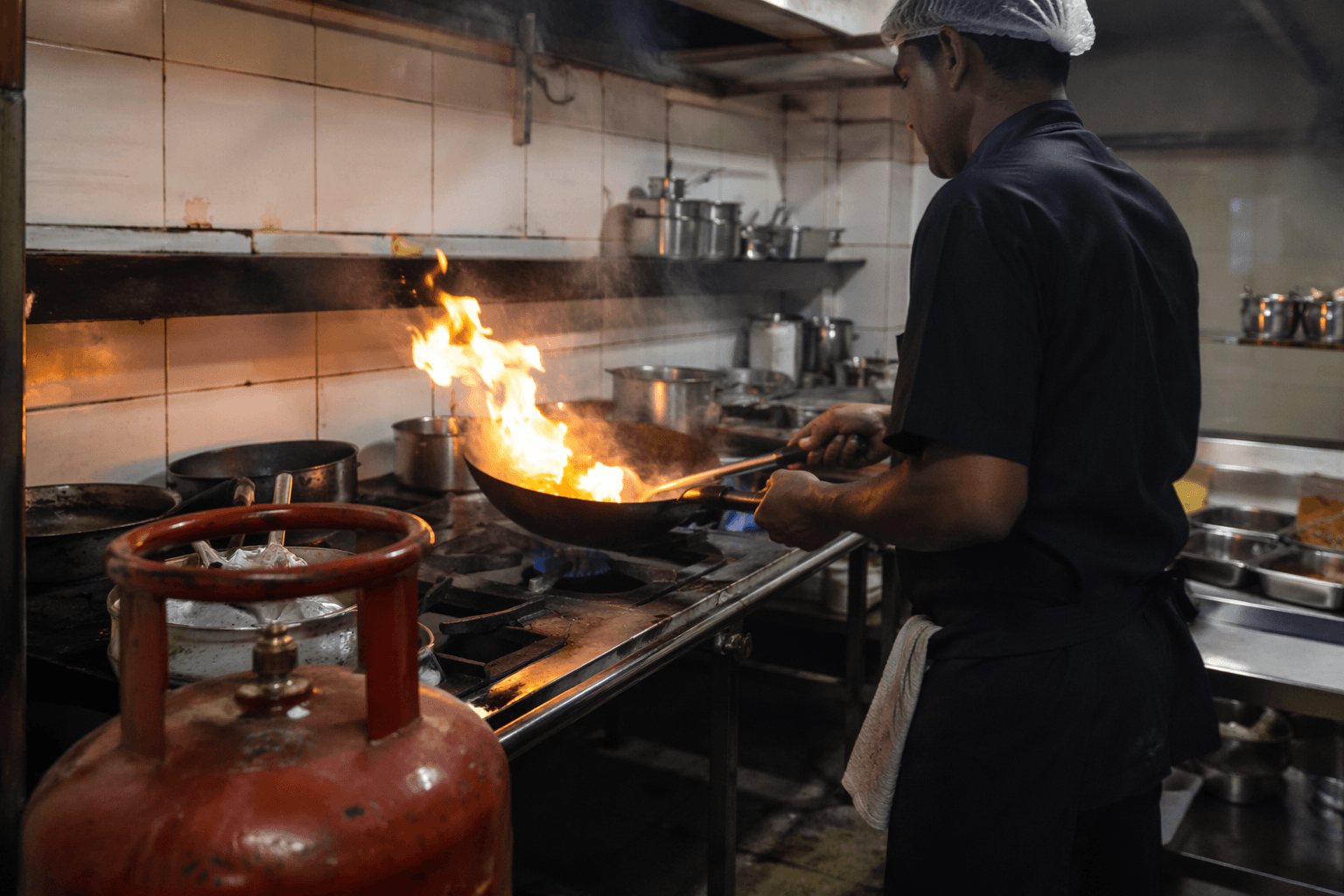
For restaurant workers, that pressure is not abstract. Tomatoes, avocados, coffee and proteins are among the items that can get more expensive fast, and operators often cannot pass every increase on to diners who are already price-conscious. When the bill rises at the back end, the cut can land on the floor through fewer hours, slower wage growth, tighter scheduling or more pressure on the same crew to move faster with less help.
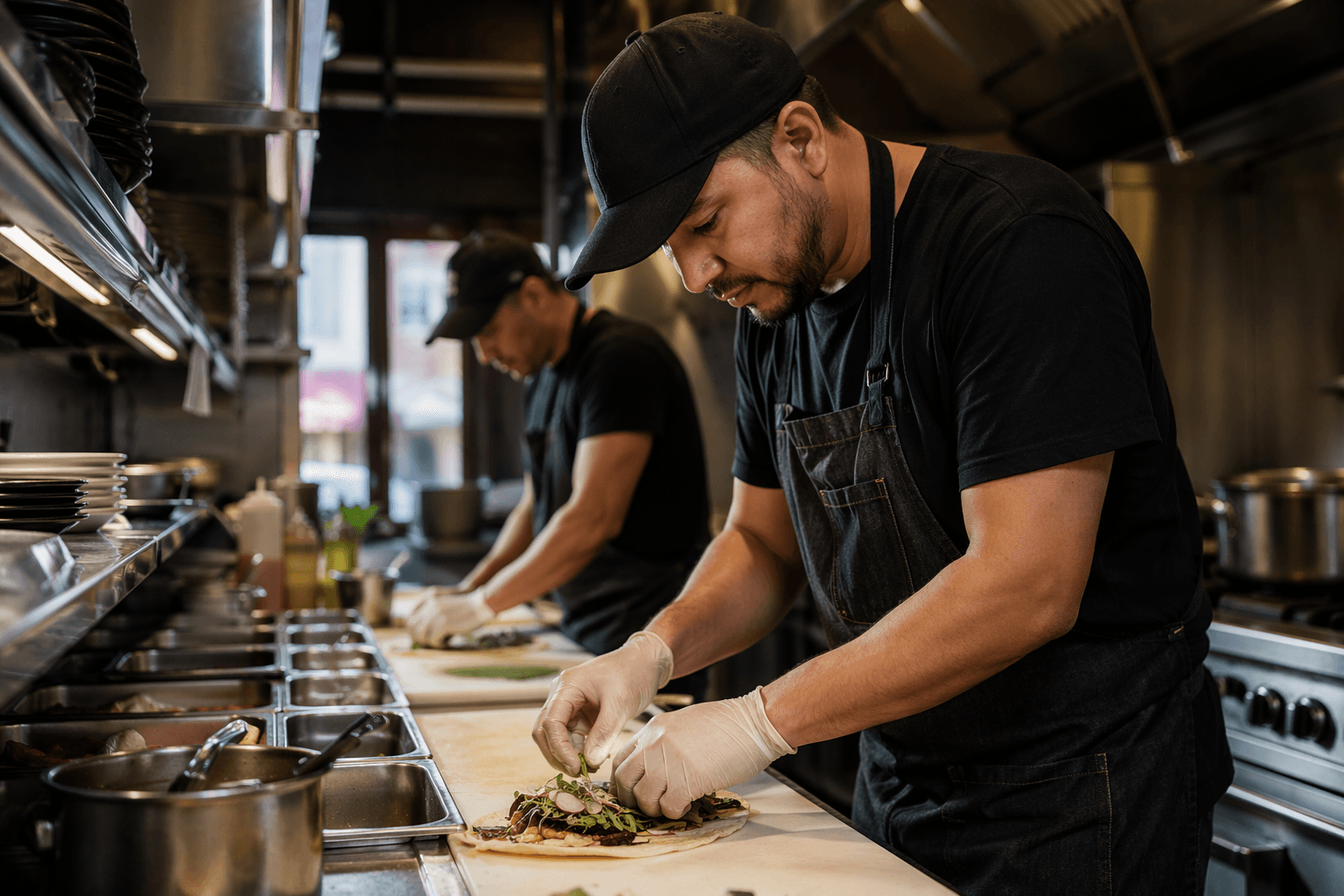
The NRA says the USMCA is up for review in 2026 and is essential to keeping food and beverage products affordable because many ingredients move duty-free among the United States, Mexico and Canada. It also argues that the agreement gives restaurants reliable year-round access to products that cannot be grown domestically in sufficient quantity. In a November 2025 filing on the pact, the association warned that new antidumping duties on Mexican tomato imports would significantly raise costs for operators that depend on that supply.
That trade fight is unfolding as restaurants face another cost drain: credit card swipe fees. The NRA says U.S. swipe fees are among the highest in the world, have more than doubled over the past decade and are the third-largest operating expense for most restaurants after food and labor. The association says two companies control 80% of the credit card processing market, which limits competition and keeps fees sticky.
The policy push has gathered momentum in Washington. The Credit Card Competition Act was reintroduced in January 2026, and lawmakers backing it said Donald Trump endorsed the bill this year. The NRA says the measure would save businesses and consumers an estimated $16 billion a year by increasing routing competition. Credit unions have pushed back, warning that the proposal could disrupt payments infrastructure.
A separate court fight in Illinois has also made the issue more immediate. A 2026 federal court decision set an interchange fee restriction to take effect statewide on July 1, 2026, adding another pressure point for operators already watching food, labor and processing costs at once.
The restaurant industry is large enough that those policy choices ripple widely. The NRA says restaurants and foodservice account for more than 1 million outlets and 15.7 million employees. For workers on the line, in the dining room and in management, the practical result is simple: if tariffs, swipe fees and ingredient inflation keep climbing together, operators have less room to hire, schedule and pay with stability.
This article was produced by Prism’s automated news system from verified source data, official records, and press releases, then run through automated quality and moderation checks before publishing. The system is built and supervised by the people who set the standards it runs under. Read our full AI policy.
Did this article answer your question?