Restaurant groups back Dignity Act to ease labor shortages
Restaurant groups are pushing the Dignity Act as a way to widen the legal hiring pool for kitchens and dining rooms, with the NRA citing 15.7 million industry jobs.
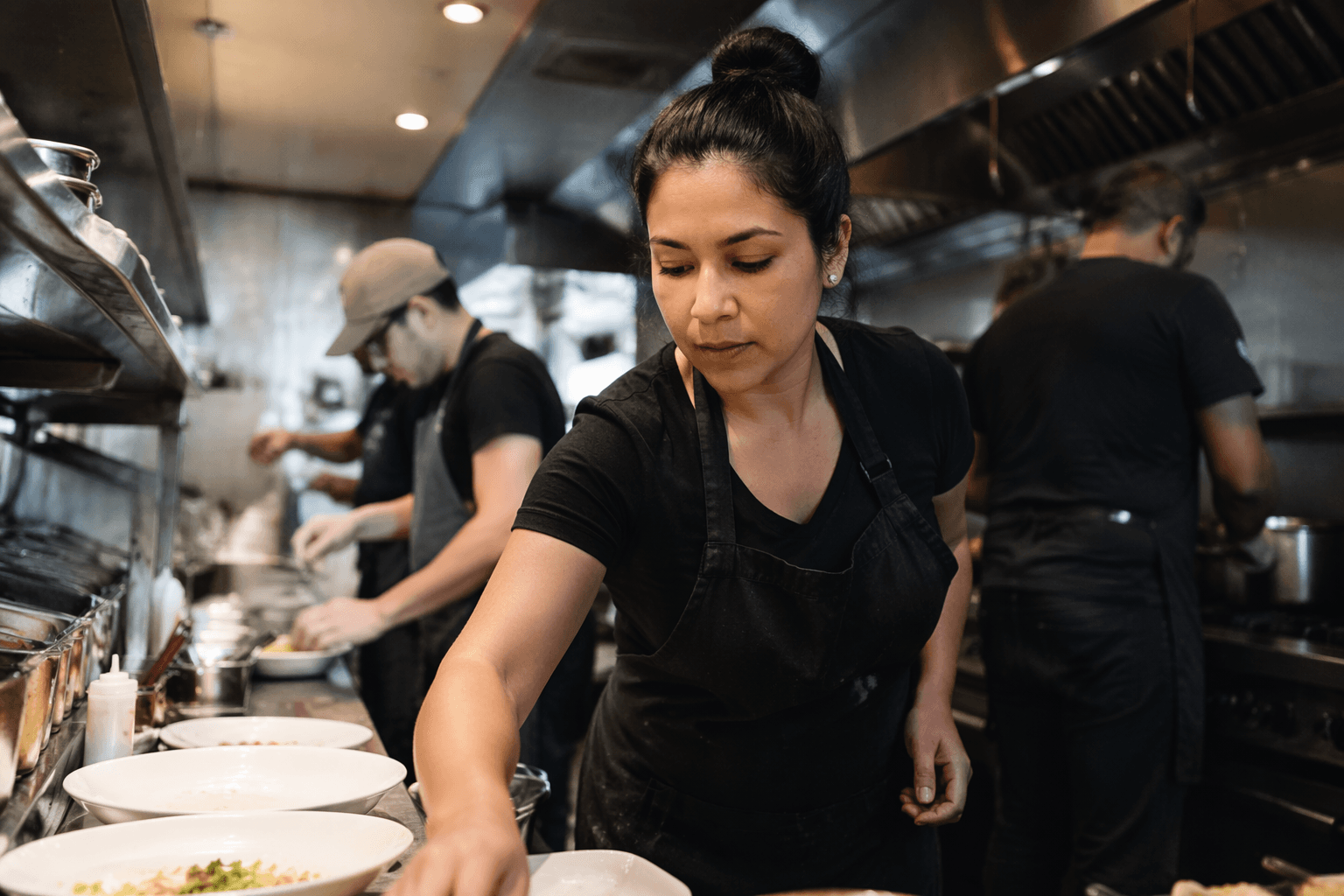
The National Restaurant Association has endorsed the Dignity Act of 2025, putting the country’s biggest restaurant trade group behind a bill it says could help operators fill jobs in kitchens, dining rooms and back-of-house support roles. The group says the restaurant and foodservice industry employs more than 15.7 million people and includes more than 1 million outlets, a scale that makes immigration policy a staffing issue, not just a Washington debate.
The legislation first moved in 2023, when Rep. Maria Elvira Salazar and Rep. Veronica Escobar introduced the Dignidad, or Dignity, Act as H.R. 3599. A one-pager for that bill said it would grant legal status to undocumented immigrants already living in the United States with the possibility of earning citizenship, while also creating new legal pathways for economic migrants and unaccompanied minors. The Dignity Act of 2025 returned in July 2025 as H.R. 4393, and restaurant advocates are again framing it as a way to steady hiring in an industry where schedules are tight and turnover is high.
That argument is rooted in the labor mix that keeps restaurants running. Line cooks, dishwashers, prep cooks, servers, hosts and bartenders all sit inside a workforce that the National Restaurant Association says has long depended on immigrants. Its policy brief says current U.S. demographic trends are shrinking the labor pool, making immigration policy a critical workforce issue. The group also says immigrants gain job experience and immediate access to opportunities, while restaurateurs can fill positions they have struggled to staff.
The endorsement is not coming from the restaurant industry alone. The New Mexico Restaurant Association has said immigrants are a core part of the restaurant workforce and that operators need an immigration system that supports legal, reliable hiring. American Business Immigration Coalition Action has also urged passage of the DIGNITY Act alongside restaurant owners, farmers, construction companies and hospitality professionals, arguing the bill would provide work permits for law-abiding, taxpaying undocumented immigrants.

Still, the proposal is drawing the same split response that has followed earlier immigration fights. The Bipartisan Policy Center has discussed the Dignity Act as part of a broader immigration-policy conversation, while the Center for Immigration Studies has criticized it as amnesty and argued that it would increase immigration. For restaurant operators, the practical question is narrower than the political fight: whether a larger legal labor pipeline can ease hiring pressure in markets where a missing prep cook or dishwasher can ripple through service for an entire shift.
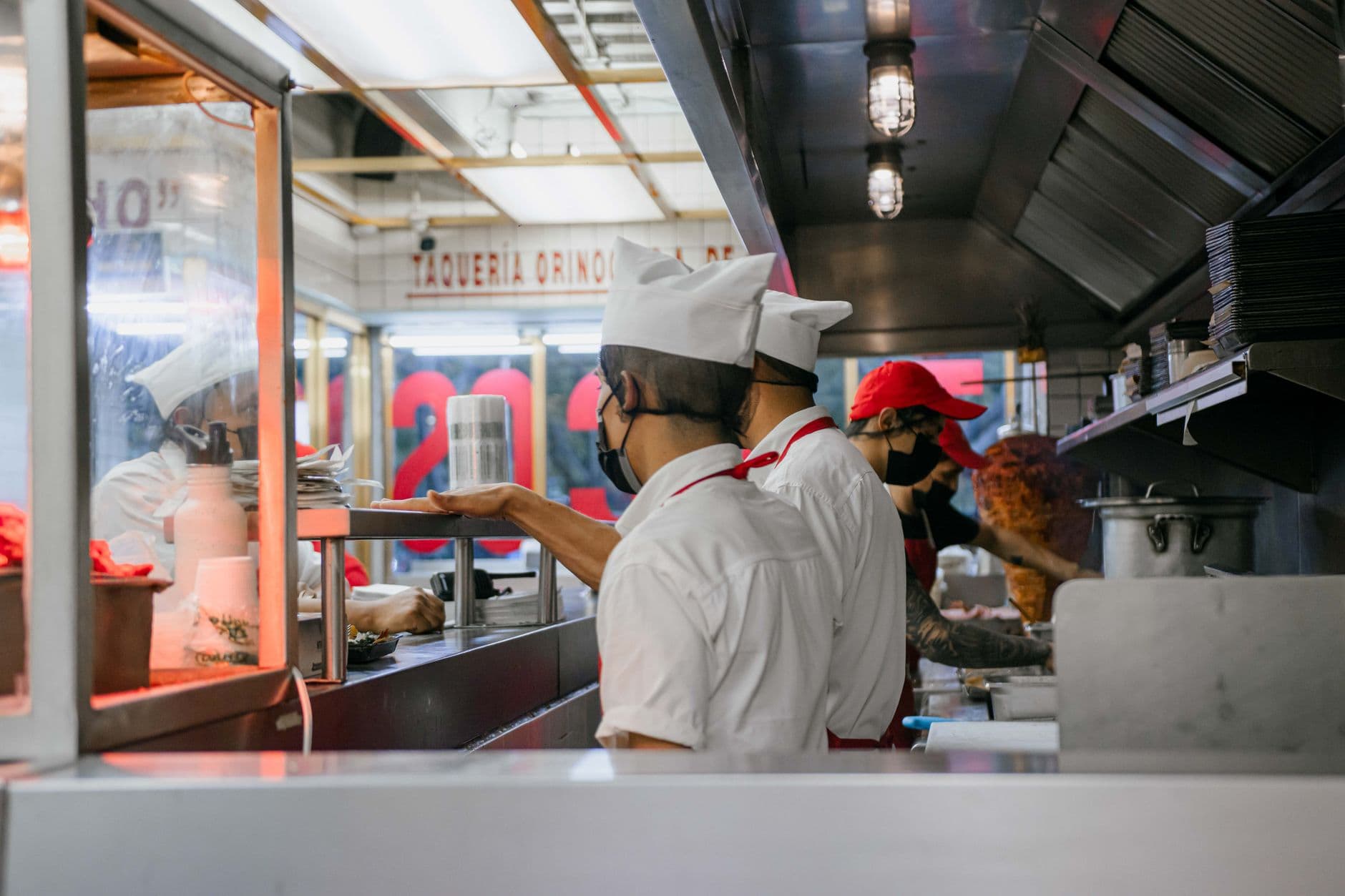
Even supporters are not pretending the bill solves the industry’s deeper problems. More workers on paper will not fix weak scheduling, low pay, tip-related tensions between front and back of house, or the burnout that pushes people out. But for restaurants that cannot keep enough people on the line, in the dish room or on the floor, immigration policy can change how quickly they can hire and how long they can hold onto the staff they need.
This article was produced by Prism’s automated news system from verified source data, official records, and press releases, then run through automated quality and moderation checks before publishing. The system is built and supervised by the people who set the standards it runs under. Read our full AI policy.
Did this article answer your question?