Restaurant groups seek DHS relief as TPS work permits expire
Restaurant groups asked DHS for a 90- to 120-day grace period as TPS work permits for Haitian and Syrian staff neared expiration, warning of sudden kitchen and dining room disruptions.
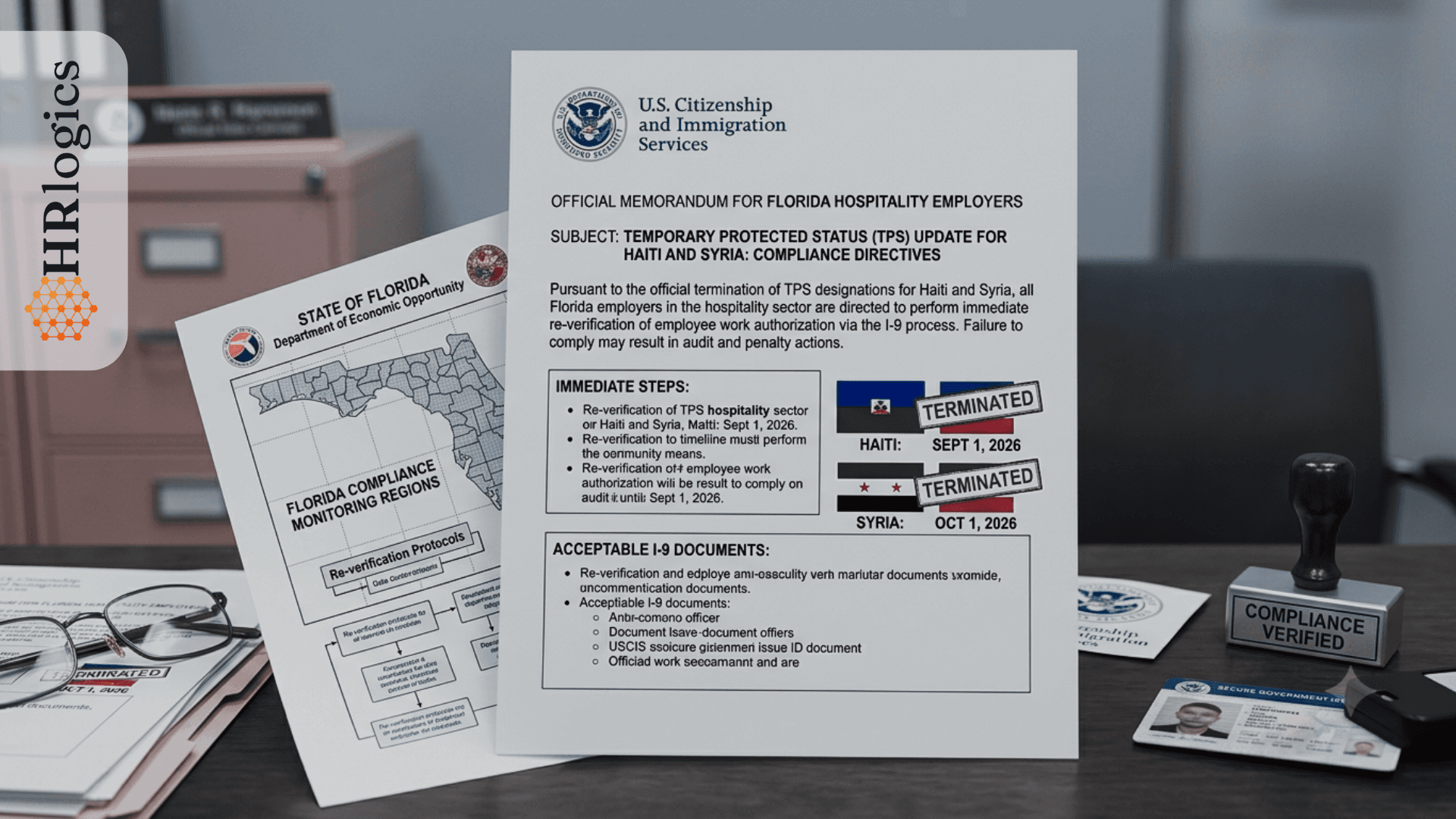
Restaurant groups pressed the Department of Homeland Security for a 90- to 120-day transition period as work authorization for Haitian and Syrian workers on Temporary Protected Status was set to expire July 1, warning that kitchens, dining rooms and schedules could be thrown off overnight. The National Restaurant Association joined restaurant associations from Delaware, Georgia, New Jersey, New York, Texas and Wisconsin in a June 29 letter asking for clearer guidance on reverification timing, Form I-9 and E-Verify compliance, and good-faith protection for employers while they waited for updated instructions.
The appeal landed after the U.S. Supreme Court’s June 25 ruling in Mullin v. Doe cleared the way for the federal government to end TPS for Haiti and Syria in a 6-3 decision. Reported estimates put the affected population at about 350,000 Haitian nationals and 6,000 to 7,000 Syrian nationals, a scale that turned the issue from an immigration fight into an immediate staffing problem for restaurants, hotels and other service businesses that rely on workers who know the line, the prep list and the pace of a packed shift.
The restaurant letter said many affected employees were long-serving, legally authorized workers central to daily operations. That matters in a business where losing a few experienced dishwashers, prep cooks or servers can force managers to reshuffle stations, cut sections and push surviving staff into overtime. For workers, the risk is not abstract policy; it is whether next week’s schedule survives a paperwork deadline, whether a team loses a dependable opener, and whether a busy Friday night runs short-handed.

USCIS kept the situation in motion in early July, saying Haiti and Syria TPS-related employment authorization was extended through July 10, 2026 under court-order-related guidance. That bought employers a little time, but not certainty, and it left managers staring at a compliance cliff while they waited to see who could stay on the clock and who could not.
Florida hospitality leaders also joined the push, with the Florida Restaurant & Lodging Association saying the state had 93,000 TPS holders in the workforce contributing $2.6 billion a year to the state economy. For restaurant operators, the message was blunt: a federal status change could empty out part of the labor pool fast, and contingency plans had to be in place before the next schedule was posted.
This article was produced by Prism’s automated news system from verified source data, official records, and press releases, then run through automated quality and moderation checks before publishing. The system is built and supervised by the people who set the standards it runs under. Read our full AI policy.
Did this article answer your question?