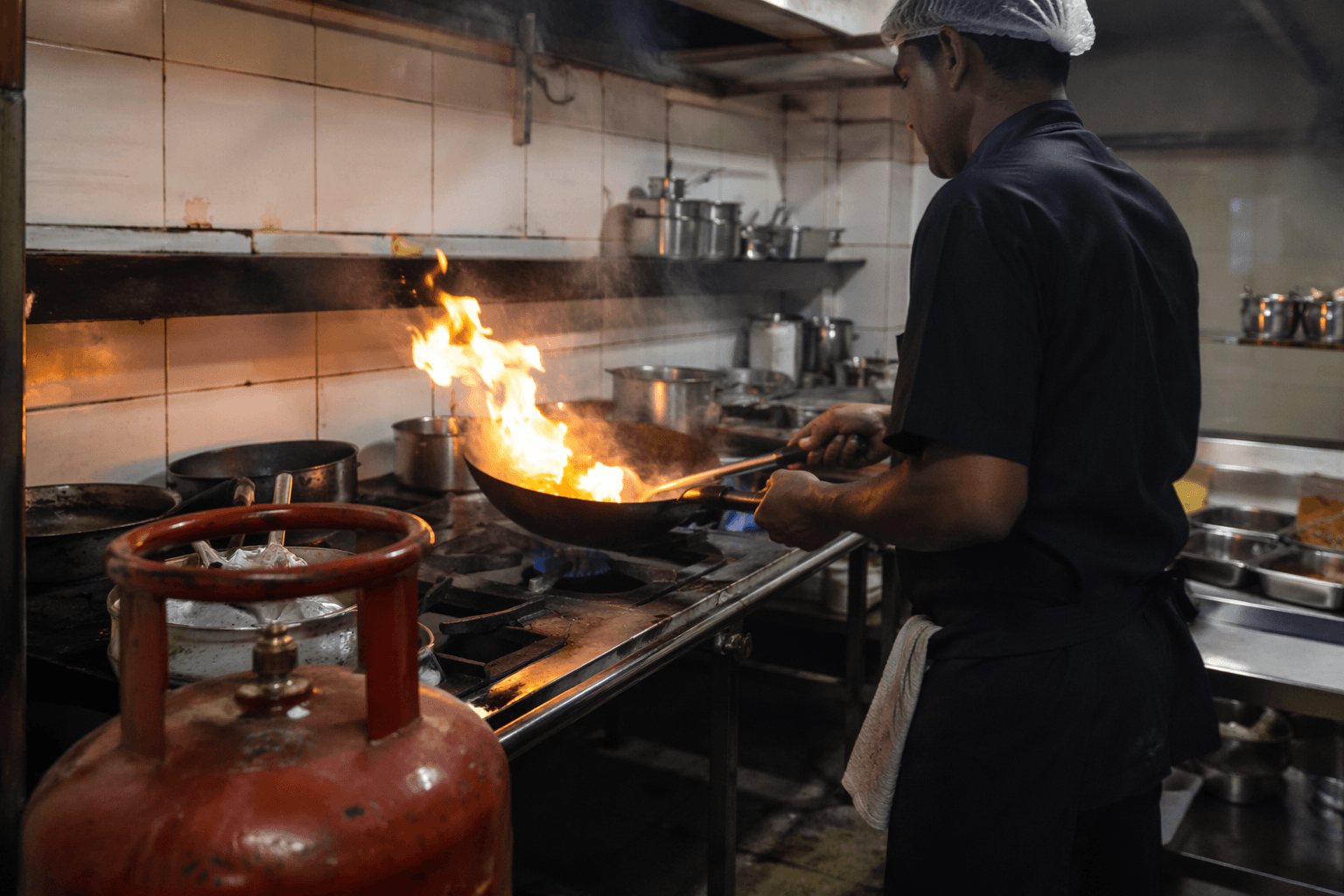
Restaurant hiring stays strong as value chains draw budget-conscious diners
Budget diners are still feeding restaurant hiring, but only the chains with clear value pitches are turning traffic into steadier shifts and payroll growth.
Why restaurants kept hiring when the rest of the economy looked softer
The restaurant labor market has been living on a split screen. Consumers were tightening their belts overall, but sit-down chains and some drive-through brands still drew enough traffic from people chasing a treat, a cheap comfort meal, or a quick convenience stop to keep staffing demand alive. That made restaurants a rare bright spot for payroll growth even as overall job growth in the broader economy softened.
For workers, that matters because hiring is not spreading evenly across the industry. The concepts with a clear value proposition are still adding shifts, while the brands that have lost their edge are losing momentum. In other words, restaurant job growth is less about the industry as a whole and more about which operators can convince a cautious customer that the ticket still feels worth it.
The value equation is what keeps the doors busy
A strong restaurant hiring run usually starts with a simple operational bargain: if the guest sees value, the building fills up, and if the building fills up, managers need more labor to keep service from slipping. Reuters pointed to chains such as Chili’s, Taco Bell, and Dutch Bros as examples of businesses that used promotions, digital tools, and menu positioning to keep customers coming through the door in a price-sensitive market.
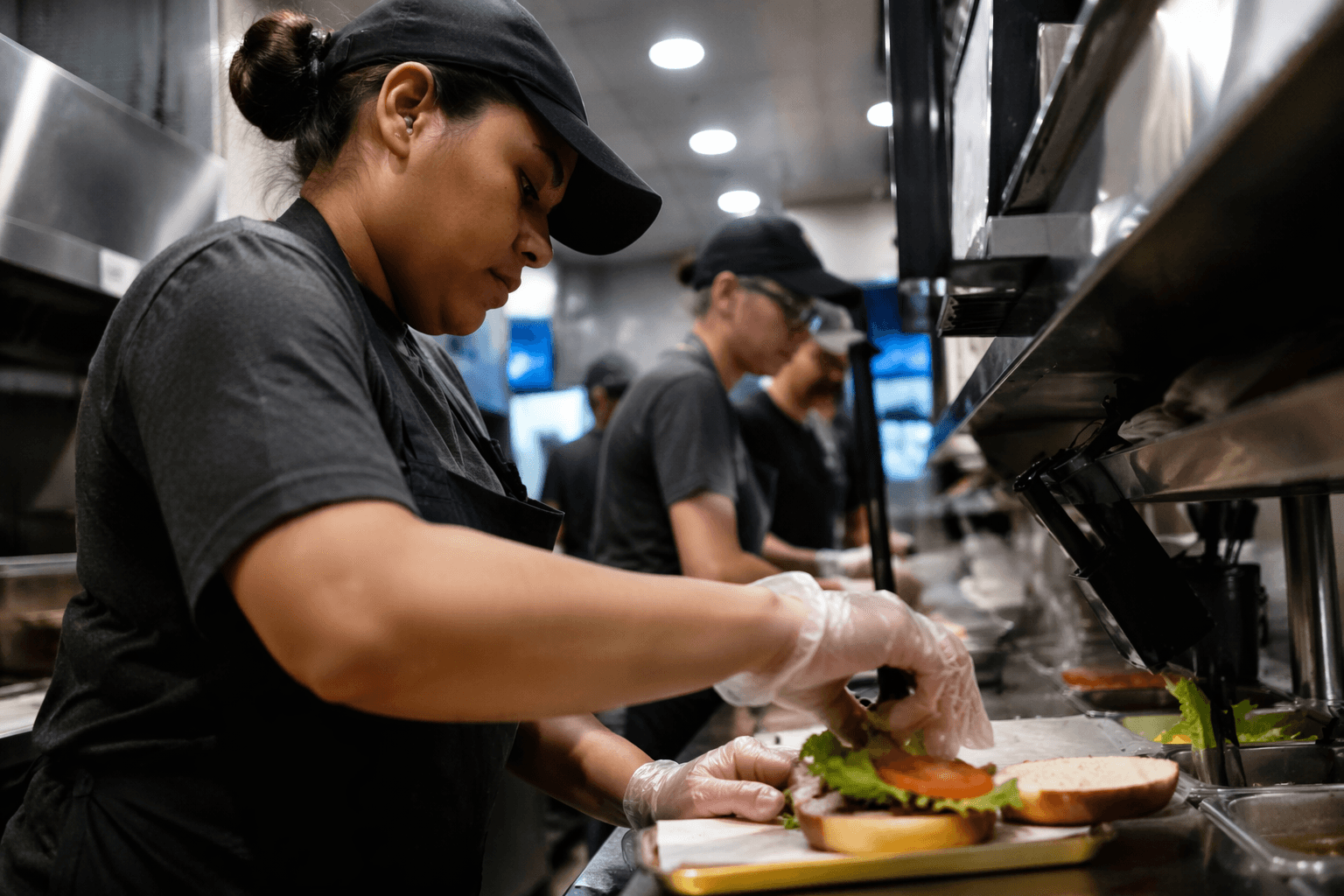
That bargain is good for traffic, but it also raises the pressure on the floor. More guests mean more prep, more line coordination, more order accuracy, and more consistency from open to close. A chain that wins on value often has to staff more tightly, train more thoroughly, and execute more reliably just to protect the experience that brought the customer in the first place.
For cooks, servers, hosts, and managers, that can be a double-edged result. More traffic can mean more hours and more hiring, but it can also mean faster pace, more turnover at busy stores, and less room for error when the dining room is full and the drive-through line is backing up.
Why some concepts keep growing while others stall
The story’s most important lesson is that restaurant growth is uneven. Some brands are still benefiting from consumers trading down into cheaper meals or simpler formats, while others are running into fatigue around high-priced customizable bowls and similar products. When guests decide that a menu no longer feels like a deal, labor demand can cool just as quickly as sales do.
That unevenness has real consequences for job stability. The concepts still pulling traffic are the ones most likely to keep expanding payrolls, adding shifts, and creating openings for entry-level hires, shift leads, and managers. The brands losing relevance may still have jobs, but those positions are more likely to come with slower hours, thinner labor budgets, and less confidence that the schedule will hold.
It also explains why restaurant hiring can look strong even in a cautious economy. Employers are not necessarily hiring because conditions are easy. They are hiring because the places where consumers are still spending need people to keep the business running, and the brands with the clearest value message are the ones still generating that need.
What this means for the shift floor
When a value chain finds a winning formula, the effect shows up in the work itself. More traffic usually means more need for dependable prep, more labor at peak hours, and more supervision to keep service moving. In practical terms, that can create more openings for line cooks who can keep pace, servers who can handle volume, and managers who can hold a shift together without sacrificing speed or accuracy.
But the same business model that creates hiring can also keep wages and conditions under pressure. Value-oriented restaurant growth depends on efficiency, which means operators are always looking to protect margins. That often translates into part-time scheduling, careful labor control, and a constant push to do more with fewer labor dollars, even when business is strong enough to warrant more staff on paper.
For tipped workers, the stakes are different but still tied to the same traffic patterns. Better customer flow can raise earning potential on busy shifts, but only if the operation is stable enough to keep service smooth. If staffing is thin, the front of house may see longer waits, more frustration, and a tougher path to dependable tips, even when the restaurant is technically busy.
The hiring signal is real, but it is not the whole story
The restaurant sector’s job gains should not be mistaken for a broad-based improvement in working conditions. A chain can add jobs because its promotions are working, not because it has suddenly become easier to work there. That distinction matters in a business where burnout, turnover, and short staffing are already part of the daily math.
Still, the labor demand is meaningful. When consumers keep showing up for affordable indulgences, the brands serving those meals need more people to cook them, ring them in, hand them out, and manage the pace. That is why restaurant payrolls can rise even when the wider economy looks shakier: the industry is selling not just food, but a moment that feels cheaper, easier, or more comforting than other spending choices.
For workers looking at the market from inside the kitchen, behind the counter, or on the dining room floor, the pattern is clear. Hiring strength is now tied to which restaurants can still make a meal feel like a bargain. That may keep jobs flowing, but it also keeps the pressure on operators to prove that value can support not just traffic, but workable shifts and a more durable job ladder.
This article was produced by Prism’s automated news system from verified source data, official records, and press releases, then run through automated quality and moderation checks before publishing. The system is built and supervised by the people who set the standards it runs under. Read our full AI policy.
Did this article answer your question?