Restaurant pay transparency rules push hiring disclosures beyond wages
Pay transparency is pushing restaurant employers to disclose more than wages, from tip-credit details to promotion ranges, and vague "competitive pay" ads are getting harder to defend.
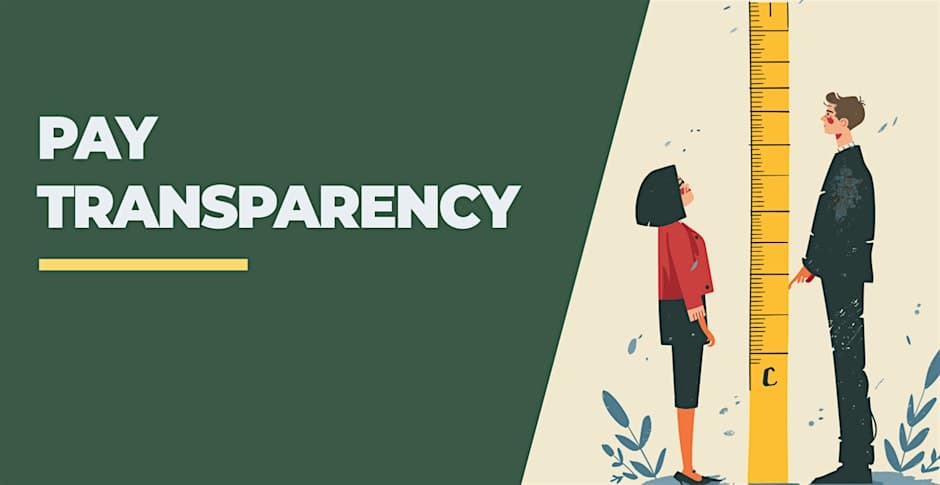
A server should be able to see the real starting wage before an interview, a line cook should be able to compare offers, and managers should not be able to hide disparities behind phrases like "competitive pay" or "based on experience." Restaurants are being pulled into a new compliance standard that reaches well beyond hourly pay, a shift captured in the restaurant-specific explainer titled *Pay Transparency and the Power of Preventive Strategies - Episode 4: Serving Up Compliance - Managing Pay Transparency Requirements in the Restaurant Industry*.
Pay transparency is no longer just an HR slogan
The shift is bigger than whether a job ad includes a number. Jackson Lewis placed the issue within a broader legal change in job-posting requirements, and Hunton called pay transparency the next legal trend in job postings as it gives way to "hiring transparency." In practice, that means employers are being pushed beyond salary disclosure and toward clearer information about how people are screened, hired, and slotted into pay bands.
Restaurant compensation is already split across different systems. Front-of-house staff may depend on tipped wages, while back-of-house workers often live on straight hourly pay, and the gap between those structures has long allowed employers to keep compensation opaque. A posting that leaves out the real starting rate, the tip-credit structure, or whether a role is eligible for a pool can make two very different jobs sound identical.
Why restaurants sit at the center of the fight
The National Restaurant Association says the restaurant industry is the nation’s second-largest private-sector employer, which helps explain why wage disclosure has become such a sensitive issue for the sector. When the industry moved to fight the Raise the Wage Act of 2021, it did so on wage and tipping grounds: the association’s February 2021 minimum-wage impact survey said the bill would have lifted the federal minimum wage to $15 by 2025 and eliminated the tipped wage by 2027. In a separate policy brief, it opposed the measure because it would raise the federal minimum wage from $7.25 to $15 over five years and eliminate the tip credit for tipped employees.
Restaurant operators tend to view pay transparency, tip-credit disclosure, and tipping rules as connected pressure points, not separate policy debates. The association’s “Tips on Tipping” page listed April 30 as the effective date for new federal tipping regulations while the Department of Labor considered additional changes and Congress debated the Raise the Wage Act.
What should be in a compliant restaurant posting
The practical standard is getting more exact. Restaurants increasingly have to think about what they say in job ads, how they describe hourly ranges, whether tip credits are disclosed, and whether benefit information is included. For workers reading postings, the key question is whether the ad tells you enough to compare one employer with another before you spend time applying.
A useful restaurant posting should make the following clear:
- The actual wage range for the role, not a vague promise of "competitive pay"
- Whether the position is tipped, and whether a tip credit is being used
- Whether the number shown is base pay only or includes expected tips
- Any benefit information the employer is required to disclose
- Whether the posted range applies to a single location or varies by state or market
- Whether internal applicants are eligible for the same range or a different one
A server can tell whether the advertised base wage is low but offset by tips, while a dishwasher or line cook can see whether the restaurant is quietly paying new hires above the people who have been carrying the kitchen through turnover and burnout.
The failures workers will keep seeing
The most common compliance failures are also the easiest to spot. Employers still lean on vague pay language, especially in a field that relies on fast hiring and manager discretion. The problem is not just wording; it is mismatch. A restaurant may post one range and then offer something else in the interview, or promise one structure for tipped employees and schedule them differently once they start.
Transparency also exposes the inequities restaurant staff already talk about on the floor. New hires can come in above long-time staff, back-of-house workers can be left out of raises, and tipped employees can be promised one thing only to discover a different schedule or pool arrangement later. When pay bands are not documented and defensible, those differences become easier to hide and harder to challenge.
What managers need to do differently
For managers, the safest approach is to treat pay disclosure as part of operations, not as a recruiting accessory. That means documenting the pay band, making sure the posting matches the actual offer, and training supervisors not to improvise around wage questions. It also means talking about wage structure, tip sharing, overtime, and promotion paths before onboarding instead of waiting until a new hire is already committed.
Multi-state operators have even less room to improvise. Baker Donelson listed Illinois, Minnesota, Massachusetts, New Jersey, and Vermont among the states with pay-transparency laws in 2025, and a GovDocs roundup tracked the laws expanding across multiple states and Washington, D.C. A chain that uses one recruiting template everywhere will miss those differences fast, especially if one location has tipped roles and another does not.
Transparency is becoming a retention tool
A 2023 NJBIA summary of pay-transparency research linked the issue to turnover, and a 2023 academic paper found that employee pay satisfaction increased after CEO pay ratio disclosures, suggesting that workers adjust their reference wages when compensation is made more visible. In restaurants, where turnover is already a constant drain on staffing and training, that kind of clarity can reduce the resentment that builds when people discover they were hired into a weaker deal than the one advertised.
This article was produced by Prism’s automated news system from verified source data, official records, and press releases, then run through automated quality and moderation checks before publishing. The system is built and supervised by the people who set the standards it runs under. Read our full AI policy.
Did this article answer your question?