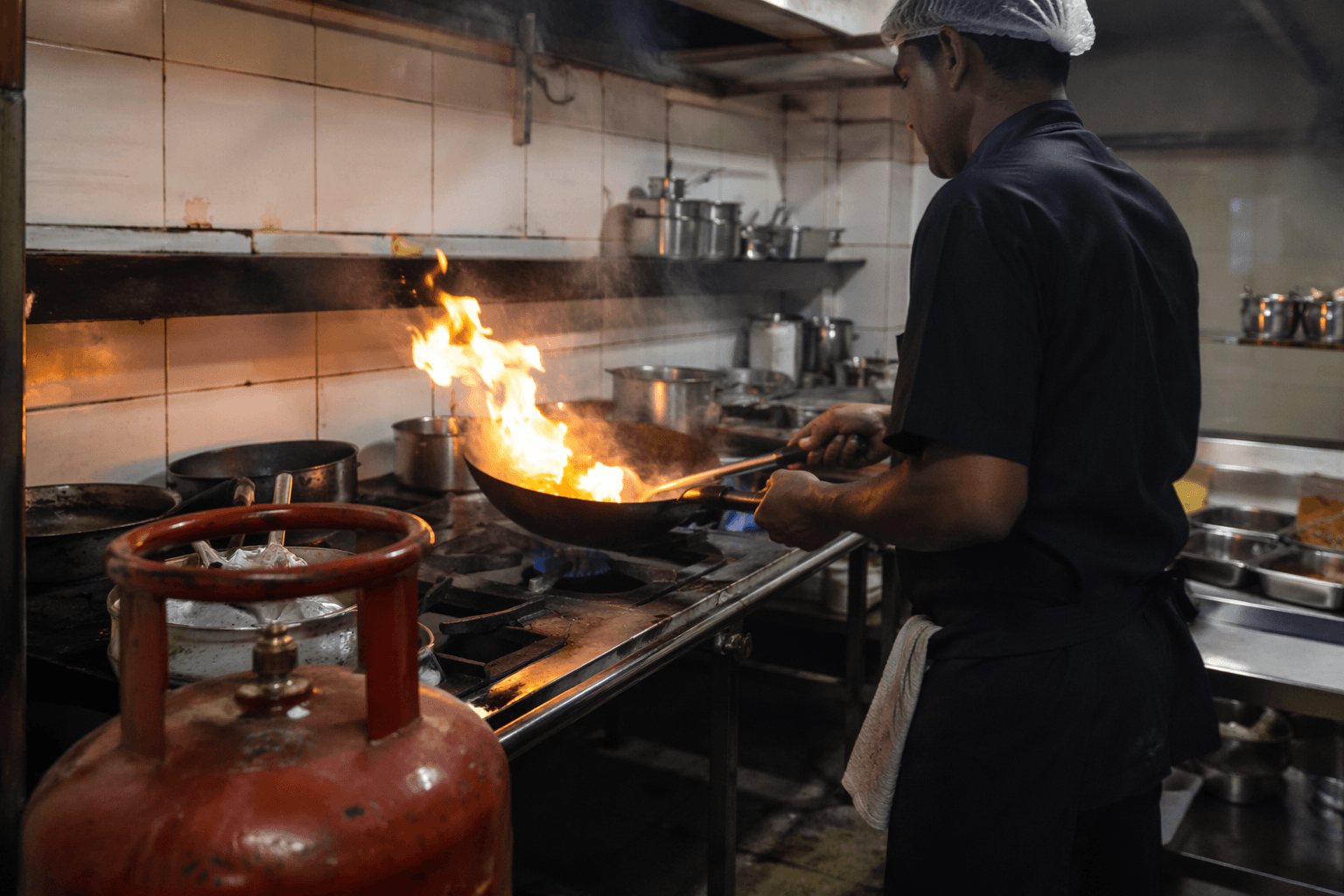
Restaurant software fails when it ignores the rush-hour reality
Restaurant software turns into hidden labor when it adds screens, re-entry and errors instead of cutting ticket mistakes, close times and manager workload.

Restaurant tech is often sold as a fix for speed and productivity, but on the floor it can become the opposite: one more system to babysit while the rush keeps moving. The real test is whether it reduces ticket mistakes, saves steps, speeds up closes, helps managers staff the floor, and keeps already stretched teams from drowning in admin work. If it cannot survive a Friday night close, it is not efficiency, it is a labor cost.
When software ignores the rush, workers pay for it
The strongest critique of restaurant software is not that it exists, but that too much of it is built without restaurant reality in mind. That shows up in the small failures that compound fast during service: clunky dashboards that slow a rescue, systems that add more screens and more reports, and tools that force a manager to keep re-entering the same information. In a restaurant, every extra click competes with a guest waiting on food, a server looking for a fix, or a line cook trying to recover from a missed modifier.
That is why the complaint resonates with anyone who has had to save a shift while staring at software that was designed for a demo, not a dinner rush. A bad tool does not just waste time in the abstract. It pushes the work back onto people, usually the manager or the shift lead, who then has to translate the software into something the team can actually use before the ticket pile grows.
The hidden labor cost shows up in the same places every night
The restaurant floor does not judge technology by how polished it looks. It judges it by whether it removes friction. If a scheduling tool still leaves managers fixing shifts manually, if a POS add-on creates more handoffs than it solves, or if an AI product needs constant cleanup from the team, then the system is not saving labor. It is shifting labor into unpaid mental overhead and extra admin work.
- bad handoffs between front of house and back of house
- manager time lost to re-entering data
- slower closes because reports do not line up cleanly
- missed modifiers that lead to remakes or guest complaints
- payroll errors or wage disputes that take even more time to unravel
That hidden cost matters most in the usual pressure points:
Every one of those problems turns software into another layer of work. The result is not just frustration. It is lost steps, more interruptions, and a higher chance that the people actually serving tables or firing tickets spend part of the shift cleaning up after the system.
What good tools do differently
The best restaurant tools are the ones that give time back. They reduce the number of times a manager has to touch the same task, keep the floor synchronized during rushes, and cut down on the kind of bad handoffs that make service feel disjointed. That matters whether the tool is handling scheduling, orders, labor tracking, or a newer AI feature layered onto an existing system.
A floor-tested system should do more than look efficient in a walkthrough. It should make the night easier when the pace spikes, not harder. That means fewer places for information to get lost, fewer duplicate entries, and fewer moments when a server, bartender, host, or line cook has to wait for the computer to catch up with reality. If the software helps the kitchen and dining room stay aligned during the busiest part of the shift, it is doing real operational work.
AI is not the question. The workflow is
The bigger debate in restaurant tech is not whether AI and automation will show up. They already are. The real question is whether those tools are built around human workflows or around investor presentations. That distinction matters because a restaurant is not a clean laboratory. It is a live system full of interruptions, substitutions, call-outs, 86ed items, and split-second judgments from people who are already moving fast.
When AI is built badly, it can add another layer of management instead of reducing it. It may promise speed, but if staff still need to correct errors, verify outputs, or reconcile the tool with what actually happened on the floor, then the technology has merely moved the burden around. For workers, that can mean more time spent checking software than serving guests, and more pressure on managers to absorb the difference.
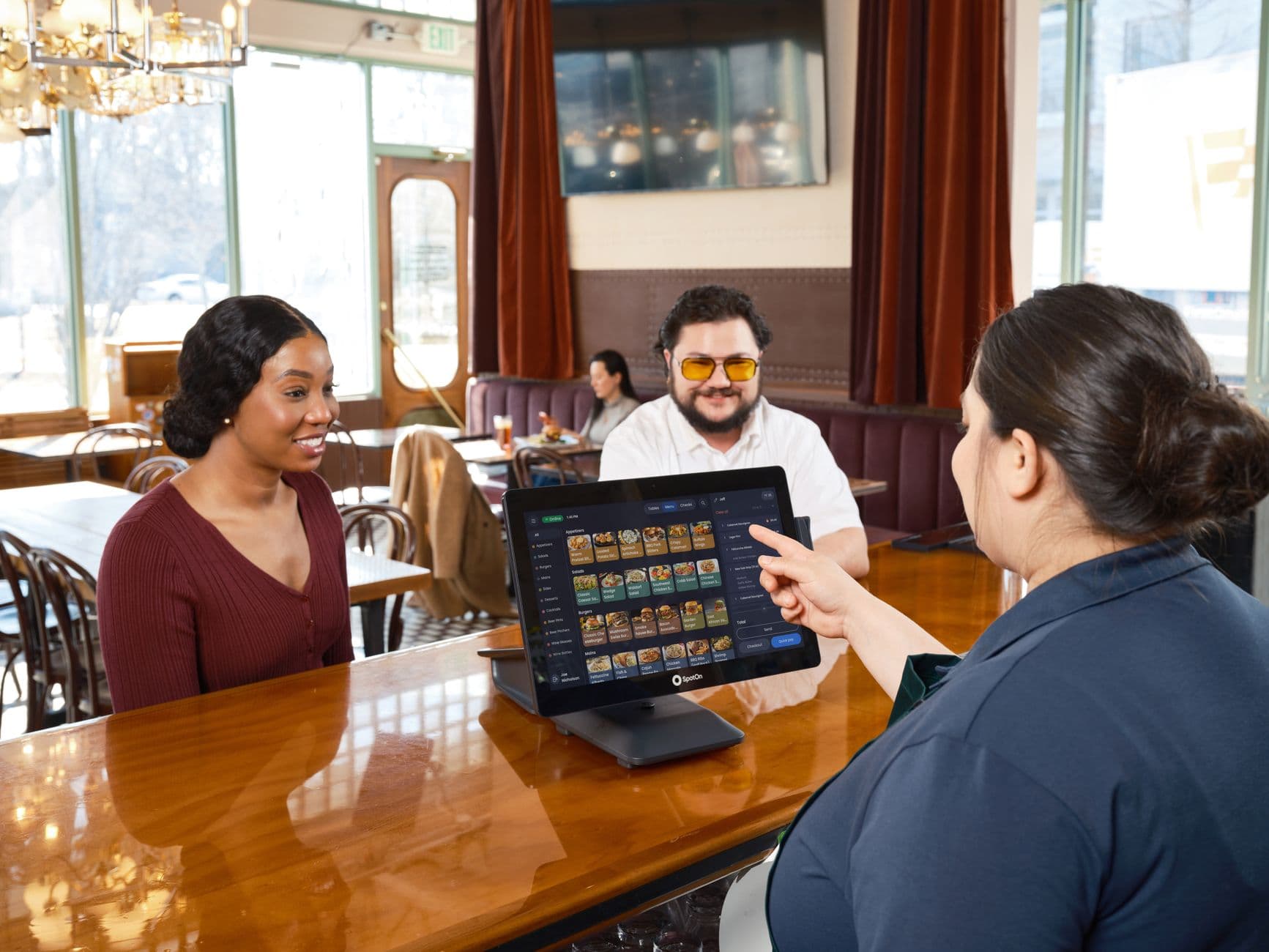
How to judge software before it becomes a problem
If you are evaluating a new system, the easiest questions are also the most revealing. Ask whether the tool cuts down on bad handoffs, whether it reduces re-entry, and whether it actually speeds up closes. Then ask who has to fix it when the restaurant gets slammed, because that answer usually tells you where the hidden labor will land.
A useful test is simple: can the system handle a Friday night close without creating extra admin work? If the answer is no, it is not ready for a floor where the rush never pauses for the software. The best products are the ones staff barely notice because they are doing the boring work correctly in the background.
Why this matters for workers, not just operators
For line cooks, servers, bartenders, hosts, and managers, bad software is never just a technology problem. It becomes a staffing problem, a burnout problem, and sometimes a pay problem when the data behind hours or wages does not hold together. It can also become a guest problem, because missed modifiers, slower tickets, and longer closes all spill into service.
That is why the most useful way to think about restaurant software is not as a shiny upgrade, but as another labor decision. The right system should reduce friction in the busiest parts of the shift, not create more screens to babysit. In a business where every minute matters, software that cannot keep up with rush-hour reality is not modernizing the restaurant. It is quietly adding to the workload.
This article was produced by Prism’s automated news system from verified source data, official records, and press releases, then run through automated quality and moderation checks before publishing. The system is built and supervised by the people who set the standards it runs under. Read our full AI policy.
Did this article answer your question?