Restaurant spending splits into value and premium lanes, Consumer Edge says
Consumer Edge says diners are splitting between discounts and premium experiences, forcing middle-market chains to choose between lean speed and higher-touch service.
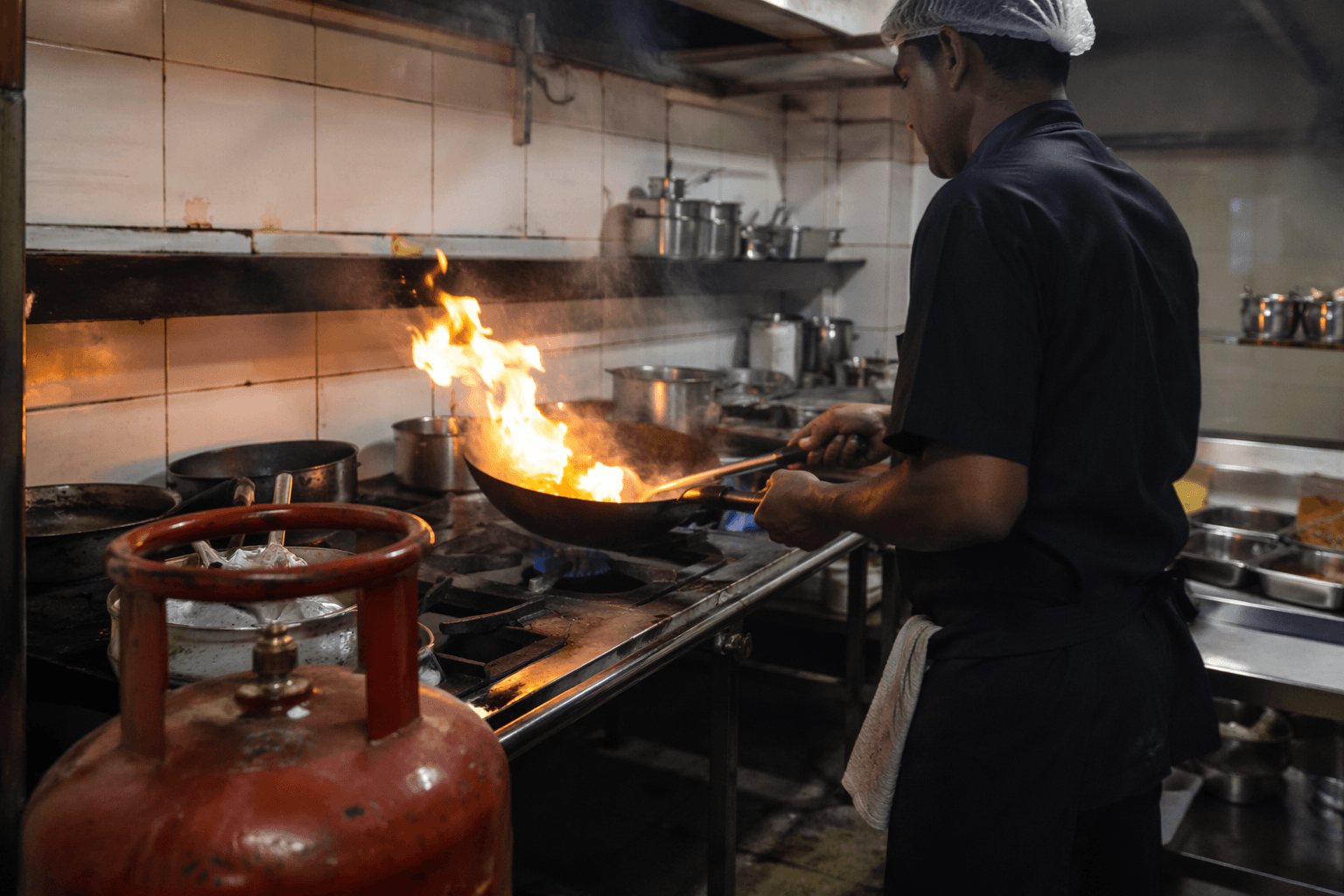
In a June 18 outlook, Consumer Edge said restaurant spending was splitting into two lanes as cost-of-living pressure pushed diners either to trade down for discounts or trade up for premium experiences. The firm said it tracks more than 600 restaurant brands with real-time U.S. credit and debit card data, letting it map spending by subindustry, income cohort, age group and daypart. For restaurant workers, that split is not just about menu prices. It changes how many people are on the floor, how much prep is needed on the line and whether a shift is built around speed, hospitality or both.
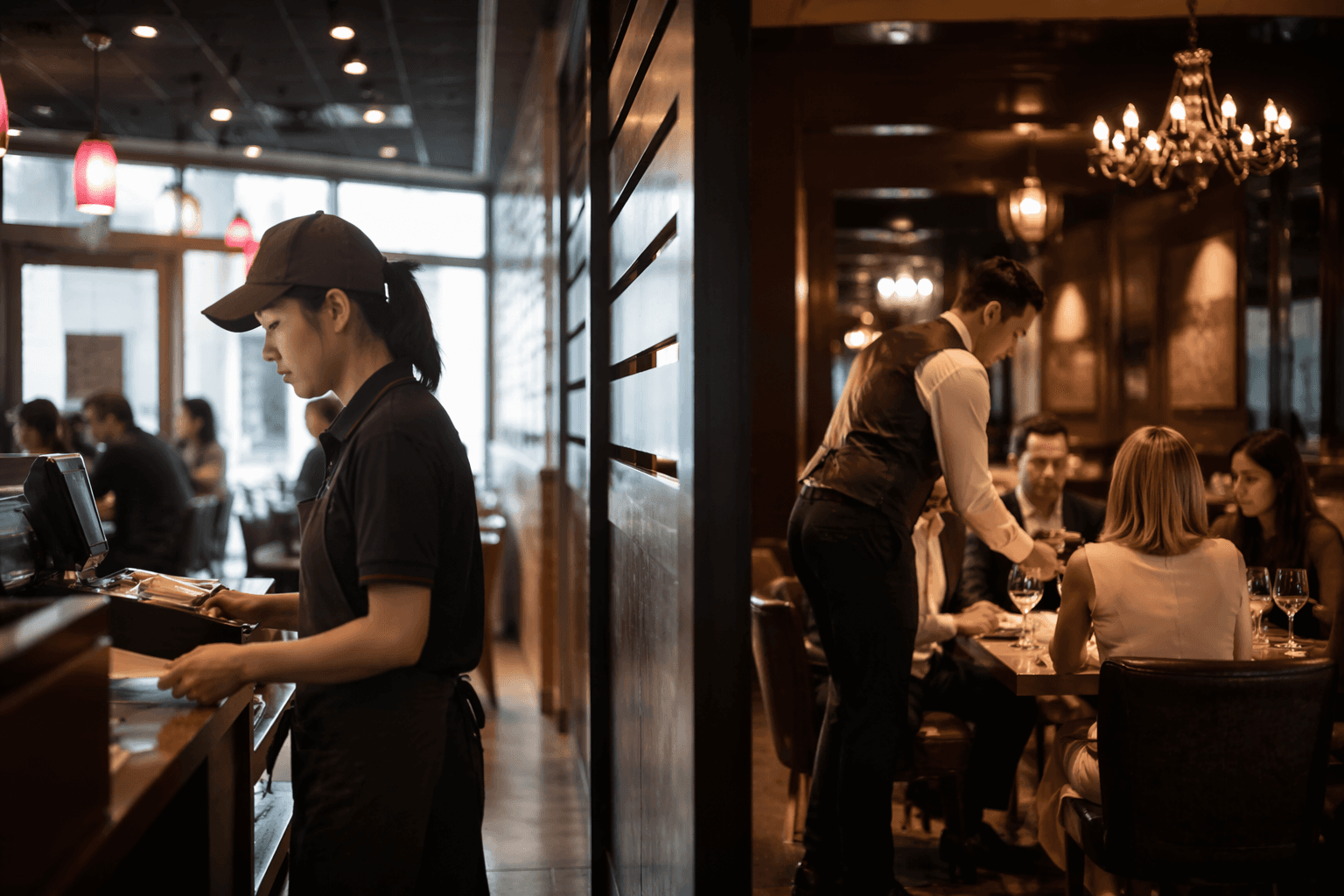
The brands losing share are the ones stuck in the middle, where the value story is blurry and the occasion is not distinctive enough to justify a higher check. A concept built around deals can lean into volume, faster turns and tighter labor budgets, but it has to execute without burning out the staff or squeezing service so hard that guests notice. A premium concept can charge more, but it needs enough servers, hosts, bartenders and runners to make the experience feel worth the bill. That is the pressure point for midmarket chains: they are being asked to deliver discount speed and premium hospitality at the same time.
Consumer Edge’s mid-year report showed where the traffic is still moving. Coffee and snack chains, including Starbucks, Dunkin’, Dutch Bros and 7 Brew, were the industry’s fastest-growing segment, with sales up nearly 6% year-to-date. Pizza was the biggest loser so far in 2026, while chicken had become saturated. The age split was just as stark. Consumers ages 25 to 34 showed the weakest spending growth across both full-service and limited-service restaurants, while consumers 65 and older were the most resilient.
The pattern helps explain why chains with a simple, recognizable value message have held up better than their muddled peers. Consumer Edge said Chili’s, Texas Roadhouse, Raising Cane’s and Olive Garden were gaining momentum by pairing fair pricing with consistent experiences. Red Lobster also rebounded after adding new value combos and simplifying its menu. For back-of-house teams, a simpler menu usually means fewer moving parts on the line. For front-of-house workers, it can mean clearer upsell expectations and fewer awkward handoffs when the dining room is busy.
The broader industry still expects growth, but not without strain. The National Restaurant Association projected $1.55 trillion in restaurant and foodservice sales in 2026 and more than 100,000 added jobs, even as 36% of consumers said they spent less at restaurants in the second quarter than in the first. The pullback was sharper among Gen Z, at 45%, than among baby boomers, at 32%. That kind of split leaves operators with a narrow task: staff for the promise they are actually selling, because the middle is looking less forgiving by the shift.
This article was produced by Prism’s automated news system from verified source data, official records, and press releases, then run through automated quality and moderation checks before publishing. The system is built and supervised by the people who set the standards it runs under. Read our full AI policy.
Did this article answer your question?