Restaurant365 says AI users are widening restaurant profitability gap
AI adopters are pulling ahead on food and labor costs, Restaurant365 says, as its 10,000-location mid-year report calls the spread a widening profitability gap.
Restaurant365’s mid-year report says restaurants using AI are pulling ahead on food and labor costs, widening what the company calls a “Restaurant Profitability Gap” across more than 10,000 locations. For line cooks, servers and managers, the real question is whether those gains come from better prep, ordering and scheduling, or from tighter labor control.
The 2026 State of the Restaurant Industry Mid-Year Report is based on 420-plus operators and 10,000 locations. Restaurant365 says it found a measurable difference in business performance between restaurants using artificial intelligence to inform operational decisions and those not using AI, with adopters reporting reduced food and labor costs. The company has framed that as proof that technology users are separating from peers on margin, not just on sales.
Restaurant365 also pitched the report as a second-half opportunity, saying there is “more opportunity in the second half of 2026 than most operators realize.” In a LinkedIn post, the company added that “2026 has been a grind so far, but buried in the numbers are real reasons for optimism.” That optimism is tied to the same places restaurant operators feel pressure first: food waste, scheduling, and payroll.
The National Restaurant Association’s 2026 State of the Restaurant Industry report puts that pressure in context, calling the industry “cautiously strong” while saying profitability is being tested even as demand remains resilient. That means restaurants may still be filling tables, but many are doing it with narrow margins, high turnover and constant pressure to keep labor in line with traffic.
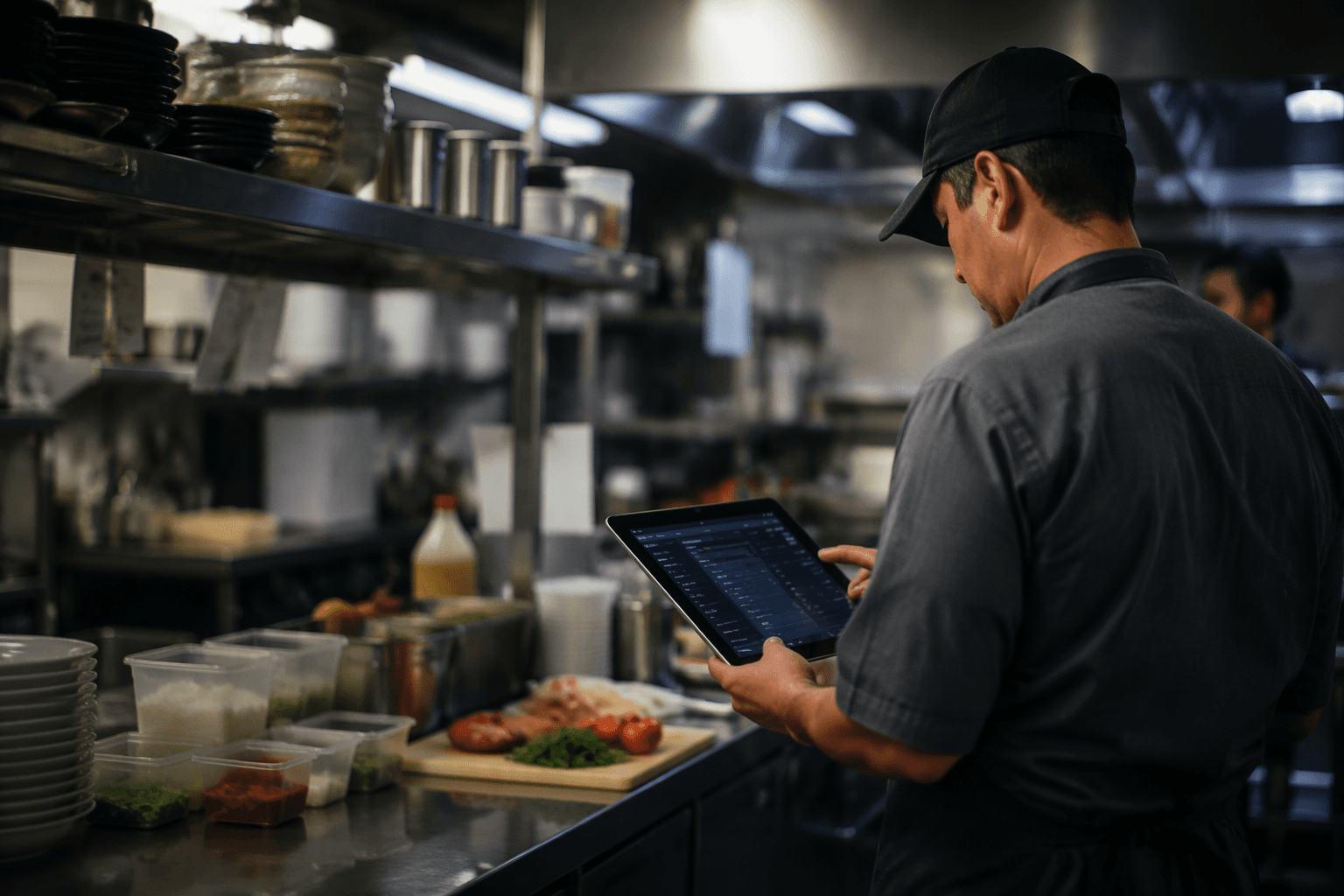
That is where the labor mechanics behind AI matter. In the best case, AI helps managers forecast demand, trim spoilage, build better prep lists and match staffing to actual covers, which can cut the chaos that drives burnout in the back of house. In the harsher version, the same tools make it easier to shave hours, run thinner crews and push more work onto fewer people.
Restaurant365’s numbers do not settle that question on their own. They do show where the payoff is landing first: on food and labor costs, the two biggest line items that decide whether a restaurant owner has room to pay people fairly, keep schedules stable and survive another quarter.
This article was produced by Prism’s automated news system from verified source data, official records, and press releases, then run through automated quality and moderation checks before publishing. The system is built and supervised by the people who set the standards it runs under. Read our full AI policy.
Did this article answer your question?