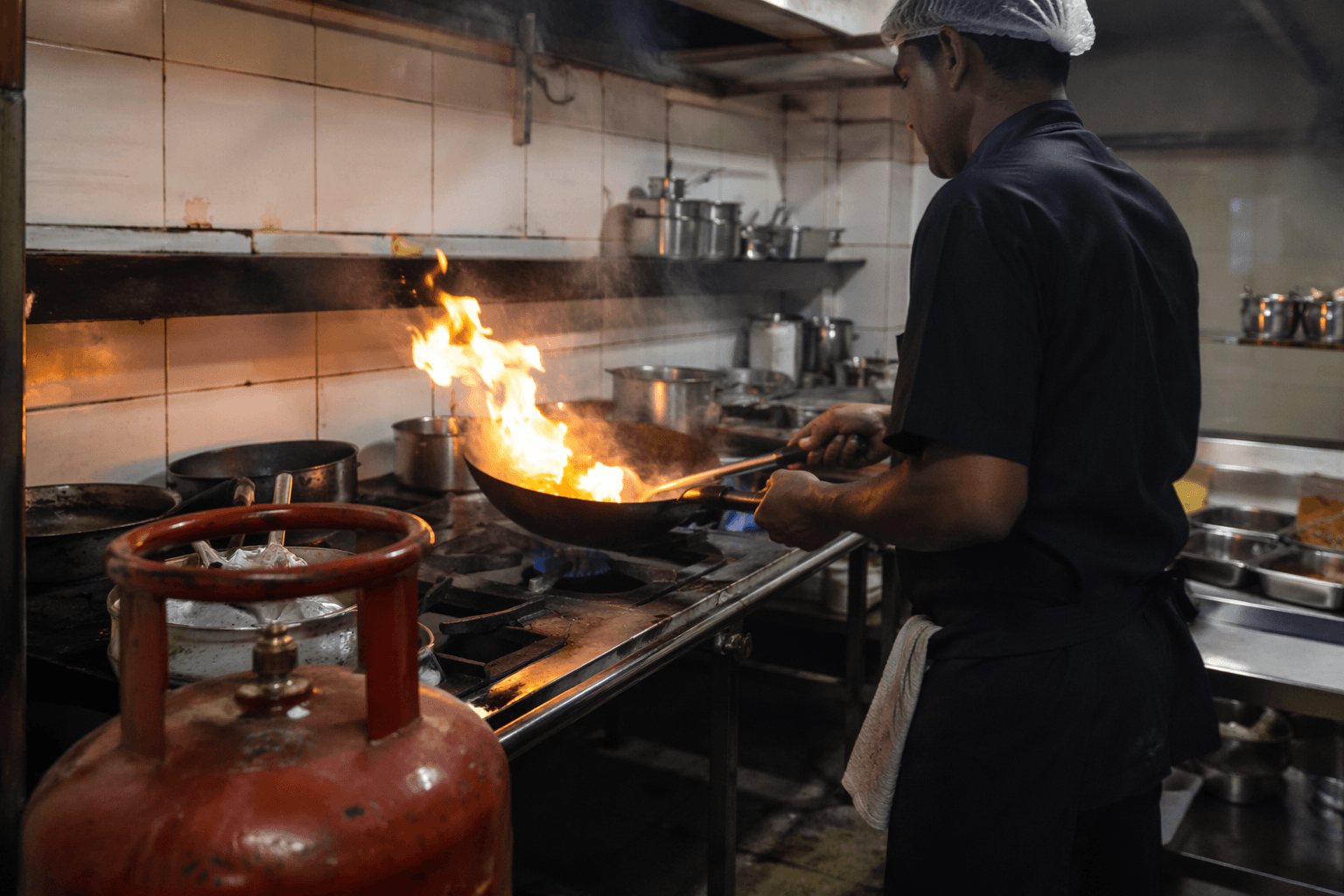
Restaurants add 48,000 jobs in May, hiring rebounds sharply
Restaurants and bars added 48,000 jobs in May, giving hourly workers more leverage on shifts, hours and pay even as guests pulled back.

Restaurants and bars added 48,000 jobs in May, a sharp rebound that gave hourly workers a stronger hand at a moment when operators were still fighting to staff shifts. The gain pushed restaurant hiring well ahead of where it stood earlier this year, and it mattered far beyond one payroll cycle because the industry now employs more than 12.4 million people.
The bigger picture was even more striking: restaurants and bars have created 94,600 jobs so far in 2026, already more than the industry added in all of 2025. After a year when the sector was still shedding jobs, that turnaround signaled a labor market that was moving again rather than locking up. For servers, line cooks, bartenders and hosts, that kind of rebound usually shows up first in the smallest details of the job, including who gets the best shifts, who can move to a busier house, and who has enough leverage to ask for steadier hours.
That matters because restaurants were still competing for labor even as guests cut back on visits. When hiring tightens in the worker’s favor, experienced employees can push harder on pay, schedule stability and incentives, and newer workers get more entry-level options as they move from one concept to another. In an industry built on churn, that can change the balance of power at the store level faster than any corporate memo.
The contrast with early 2025 was hard to miss. Restaurants cut 48,000 jobs in the first five months of that year, which left many operators scrambling to fill openings and many workers stuck with erratic schedules or thin hours. The 2026 pickup suggested the sector was actively rebuilding instead of simply replacing turnover, and that shift gave workers who wanted a promotion or a better run kitchen more room to move.
For managers, the message was just as clear: if hiring is accelerating, retention becomes more important than backfilling. The restaurants that keep their cooks, servers and bartenders are the ones most likely to avoid constant retraining, shift gaps and burnout. For workers, the May number pointed to a market where more jobs can mean more bargaining power, not just more listings.
This article was produced by Prism’s automated news system from verified source data, official records, and press releases, then run through automated quality and moderation checks before publishing. The system is built and supervised by the people who set the standards it runs under. Read our full AI policy.
Did this article answer your question?