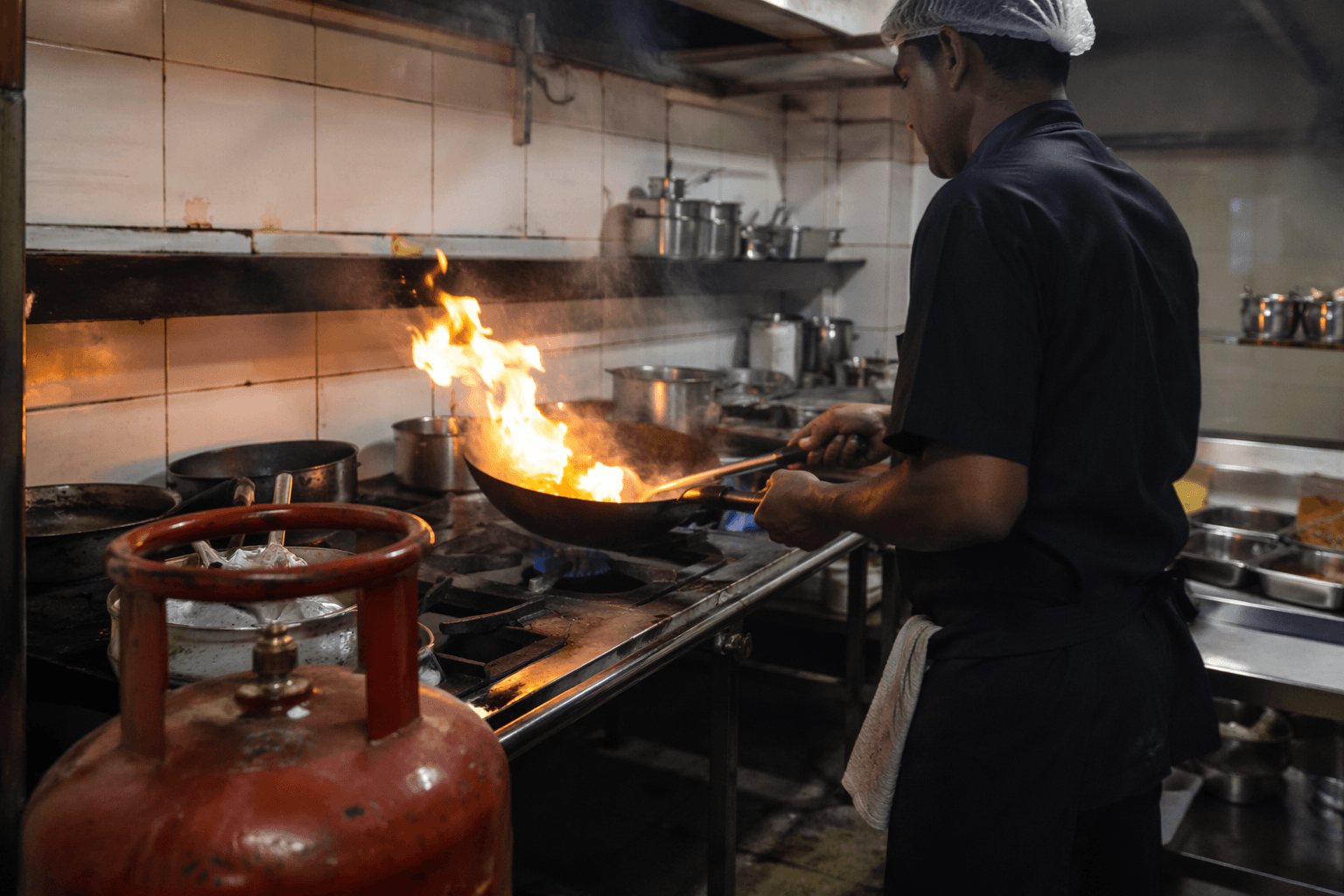
Restaurants emerge as a key training ground for human skills
Restaurants are still teaching human skills at scale: the floor trains judgment, communication and leadership, and operators need that pipeline to keep hiring.
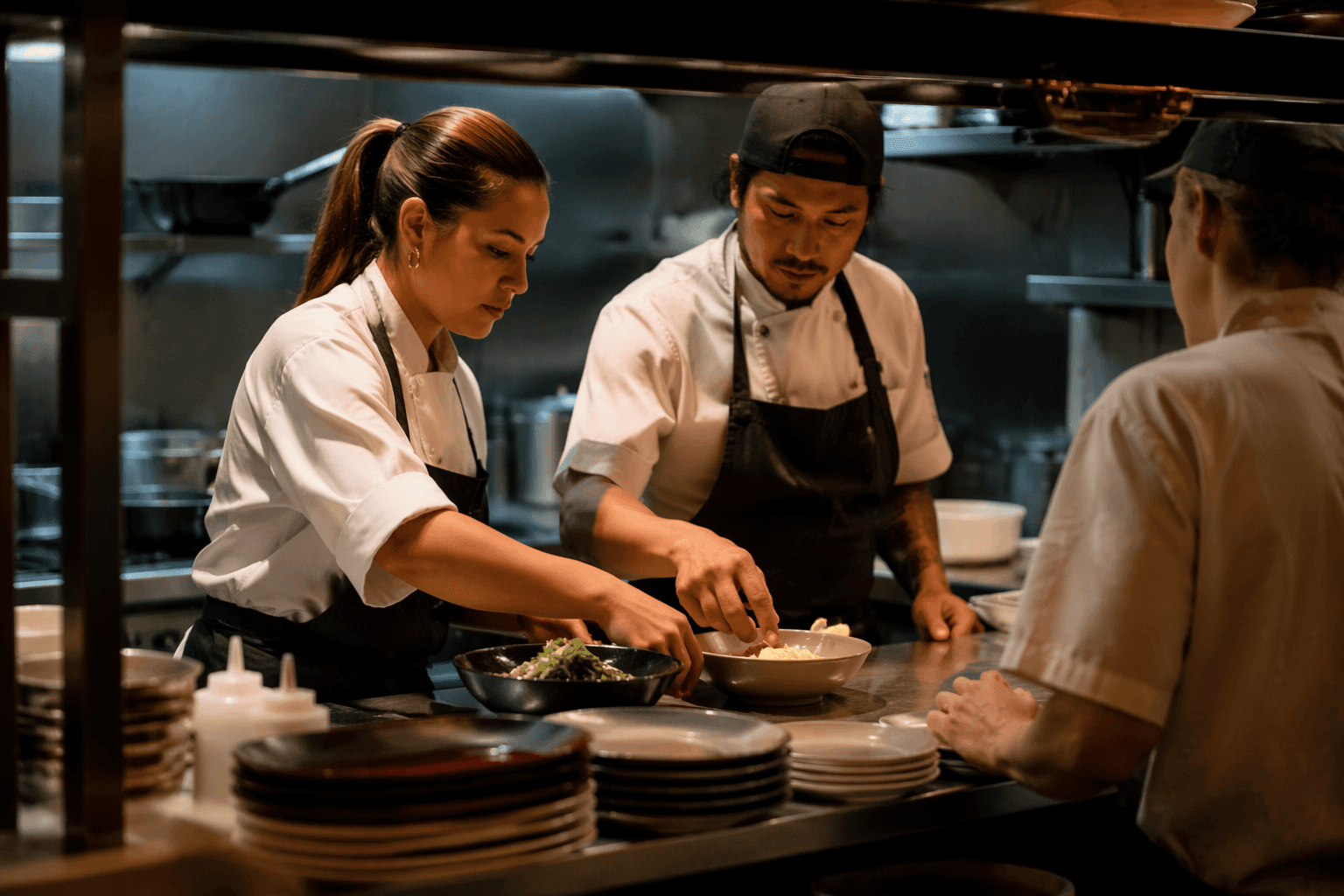
A Friday-night rush forces hosts, servers, line cooks, and dishwashers to make decisions in real time. Danny Klein writes in QSR Magazine that those jobs can teach judgment, teamwork, and leadership faster than many office roles. The National Restaurant Association expects 15.8 million restaurant and foodservice jobs this year, and nearly three-quarters of operators plan to hire.
What the floor teaches that a screen cannot
The strongest restaurant training happens in the jobs that look simplest from the outside. Hosts learn to manage a line of waiting guests, reset expectations, and keep the room calm when a Friday-night rush turns ugly. Servers and bartenders learn live communication, guest recovery, and how to coordinate with the kitchen when the ticket printer will not slow down. Line cooks and dishwashers learn prioritization, pace, and how to keep a team moving when one bottleneck can stall an entire dining room.
- Hosts build first-impression skills, tone control, and de-escalation.
- Servers and bartenders learn persuasion, memory, and problem-solving in a tipped environment where every interaction affects the check.
- Line cooks build judgment under deadlines, especially when a rush forces fast tradeoffs.
- Dishwashers learn reliability and systems thinking, because the whole operation breaks down if the back end stops.
- Managers learn coaching, scheduling, conflict resolution, and how to make decisions before they have all the facts.
In an AI-disrupted economy, that progression runs from host, server, line cook, or dishwasher to manager, and eventually to running a high-volume restaurant with a large team and millions in sales. It is built through repetition, mistakes, and the kind of pressure that no training module can fully simulate.
Why the labor market makes that training more valuable
The National Restaurant Association’s 2026 State of the Restaurant Industry report projects $1.55 trillion in restaurant and foodservice sales in 2026, with more than 100,000 jobs added. The same outlook says 61% of adults consider dining out essential to their lifestyles, which helps explain why the sector keeps growing even when operators are still fighting for labor.
In March 2026, the association called restaurants and foodservice the nation’s second-largest private-sector employer, with 15.7 million jobs, or about 10% of the U.S. workforce. Its workforce demographic profile is based on 2024 U.S. Census Bureau American Community Survey data. Restaurants and foodservice are one of the biggest entry points into work in the country, and one of the biggest ladders out of an entry job.
The Bureau of Labor Statistics projects the U.S. economy will add 5.2 million jobs from 2024 to 2034, which means early-career workers will keep moving through a labor market that rewards transferable skills. Restaurants are already built around that reality: people who survive a slammed dining room leave with judgment, speed, and a feel for how teams function when there is no time to stop and think.
Retention lives or dies on whether operators treat that as a career path
The trouble is that restaurants have never been a clean pipeline. Industry turnover has averaged about 75.6% annually since 2001, which is one reason staffing shortages, burnout, and constant rehiring remain part of daily life. In tipped dining rooms, the pressure is even more visible: servers and bartenders live with guest volume, tip swings, and the effects of tip pooling or uneven pay structures, while back-of-house workers often judge whether a job is worth staying in by whether they can see a real path to better wages and responsibility.
That is where pay equity matters as much as training. When front-of-house workers can earn more in tips but back-of-house workers carry the load of the kitchen, managers cannot rely on goodwill alone. They need clear promotion ladders, cross-training, and a pay system that makes it believable that a dishwasher or prep cook can move into a leadership role instead of being stuck in the same station for years.
The National Restaurant Association Educational Foundation’s Restaurant Ready program added 32 community-based organization partners, expanded into five new states, and reached more than 1,300 new people in 2025. GLEAM’s mentorship program has paired more than 300 mentees with industry executives in 3.5 years.
This article was produced by Prism’s automated news system from verified source data, official records, and press releases, then run through automated quality and moderation checks before publishing. The system is built and supervised by the people who set the standards it runs under. Read our full AI policy.
Did this article answer your question?