Restaurants face softer alcohol sales as diners cut back on drinks
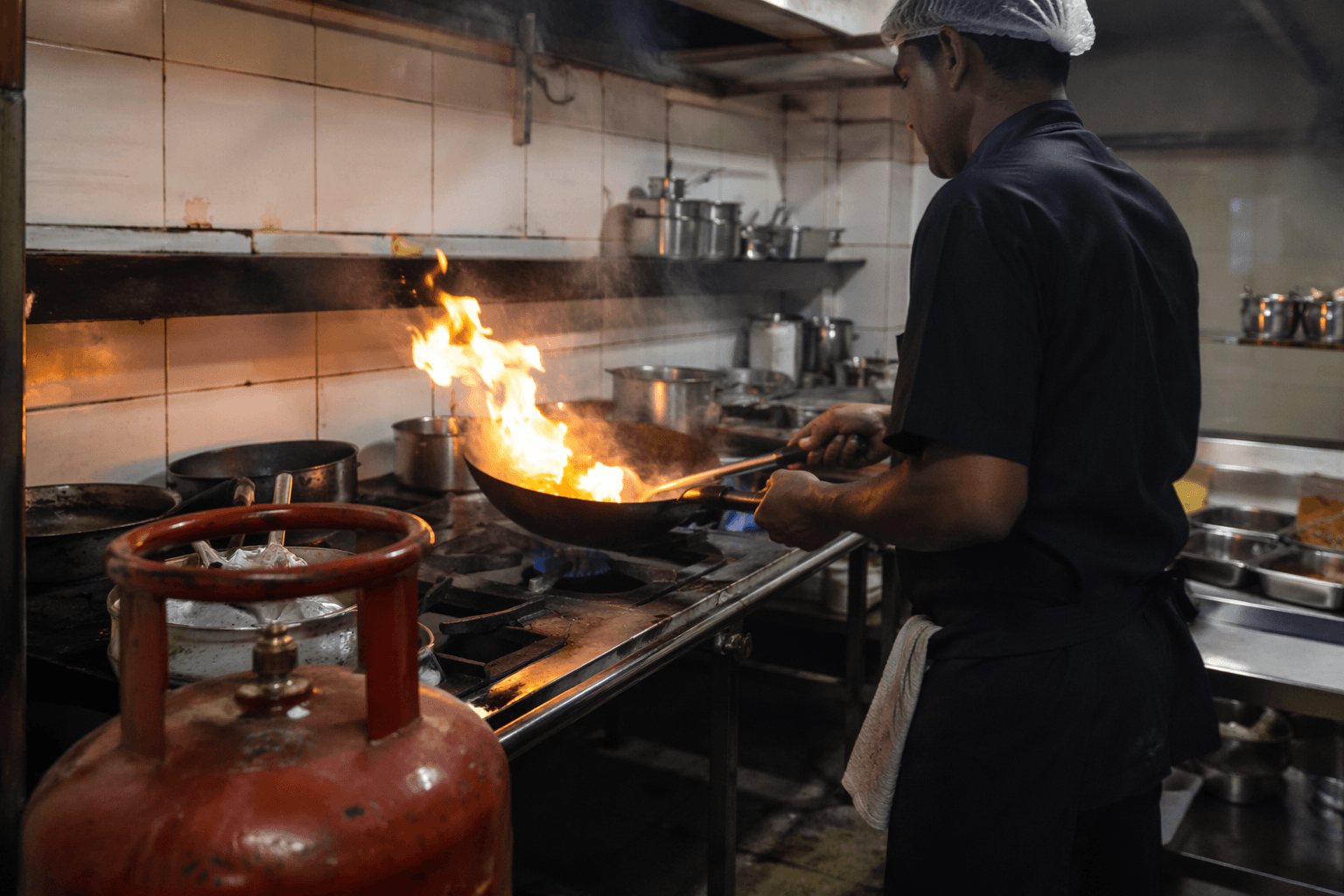
Diners are buying fewer drinks, and that is squeezing bar margins, tip pools, and staffing plans as operators lean harder on nonalcoholic options.

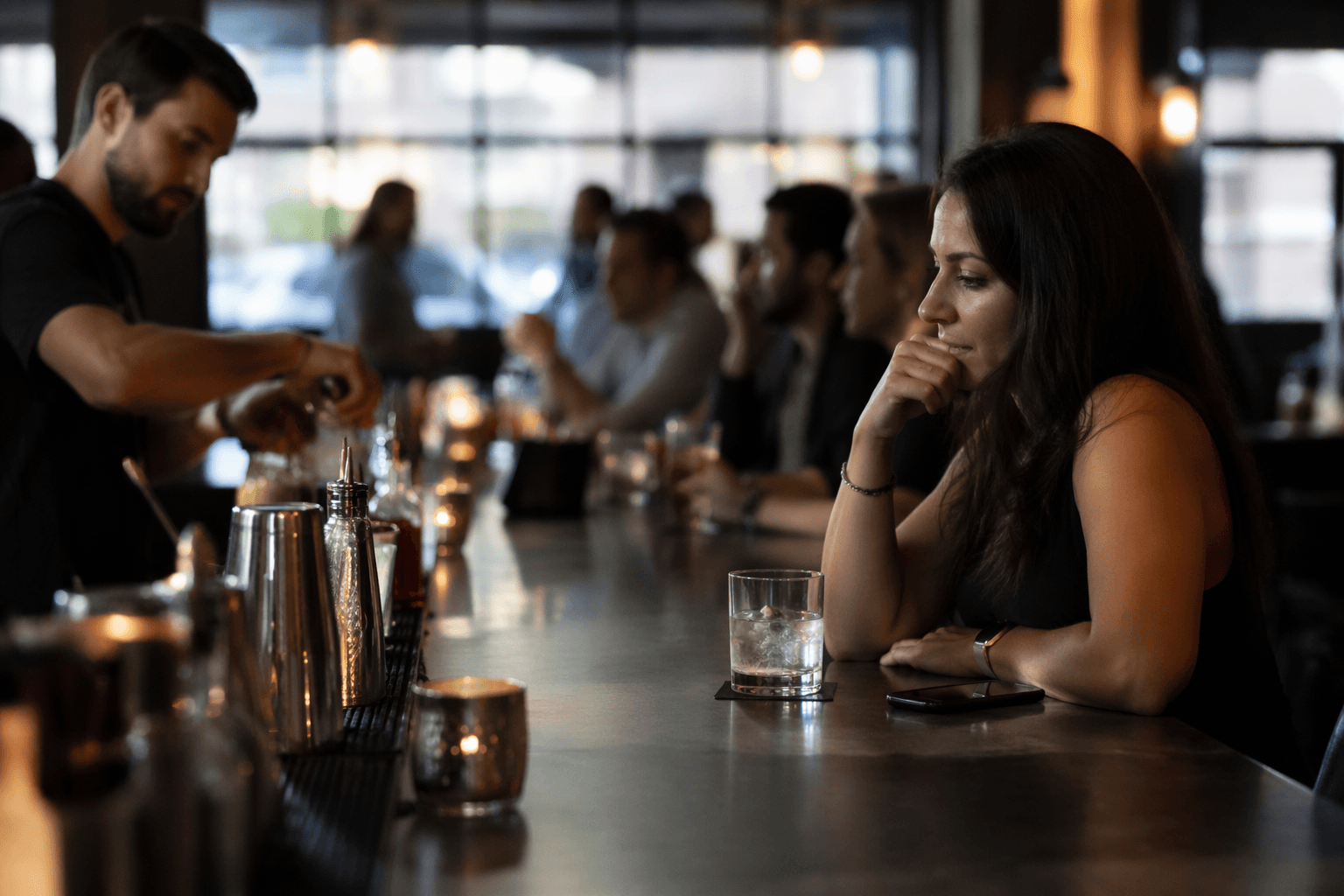
Alcohol is getting harder to sell, and the pressure is landing directly on the people working the floor and behind the bar. Technomic analysts David Henkes, Julie Heseman and Alan Miles said consumers are pulling back because prices feel too high and household budgets are tight, a shift that is already cutting into the beverage checks restaurants rely on to lift margins and tip totals.
The numbers show how far the change has spread. Drink sales at restaurants and bars fell 0.8 percent last year, and 31 percent of operators said they saw severe declines in alcohol sales. Technomic said nearly eight in 10 consumers notice menu price increases, while nearly two-thirds of consumers and nearly three-quarters of millennials say an alcoholic drink discount affects their restaurant choice. In other words, the old assumption that a round of cocktails will carry a dinner tab no longer holds the way it once did.
The retreat is not just a price story. Circana said in January 2025 that 49 percent of Americans planned to drink less alcohol in 2025, up from 41 percent in 2024 and 34 percent in 2023. Among Gen Z, 65 percent planned to drink less, and 39 percent said they would adopt a dry lifestyle. Circana and NCSolutions also found that 30 percent of Americans took part in Dry January in 2025, nonalcoholic beer purchases rose 22 percent over the 12 months ending November 2024, and 35 percent of Gen Z and millennials discover new nonalcoholic drinks on social media.
Gallup’s August 2025 tracking reinforced the shift. It found that 54 percent of U.S. adults said they consume alcohol, the lowest level in nearly 90 years of polling, and that drinkers averaged 2.8 drinks over the previous seven days, the lowest figure Gallup had recorded since 1996. Gallup also found that 53 percent of Americans now say moderate drinking is bad for one’s health, a belief that is reshaping ordering habits long before guests ever see the check.

For restaurants, the squeeze is happening in a cost environment that leaves little room to absorb weaker bar sales. The U.S. Bureau of Labor Statistics said the consumer price index for all items rose 3.8 percent year over year in April 2026, while food away from home rose 0.2 percent that month. Against that backdrop, Technomic said the nonalcohol beverage boom will accelerate in 2025, with beverage-forward concepts benefiting from smaller footprints, fewer equipment needs and lower labor costs.

That change has real consequences for shifts and staffing. When cocktails, wine pairings and late-night rounds slow down, bartenders and servers can lose the upsell opportunities that once padded tip income and justified busier labor models. Operators are being pushed toward tighter promotions, clearer value messaging, smarter menu placement and more deliberate food-and-drink pairing, because the beverage program now has to earn its place item by item. For managers, the decision is no longer whether to sell less alcohol, but how to rework labor, training and menu engineering so the bar still helps carry the dining room.
This article was produced by Prism’s automated news system from verified source data, official records, and press releases, then run through automated quality and moderation checks before publishing. The system is built and supervised by the people who set the standards it runs under. Read our full AI policy.
Did this article answer your question?