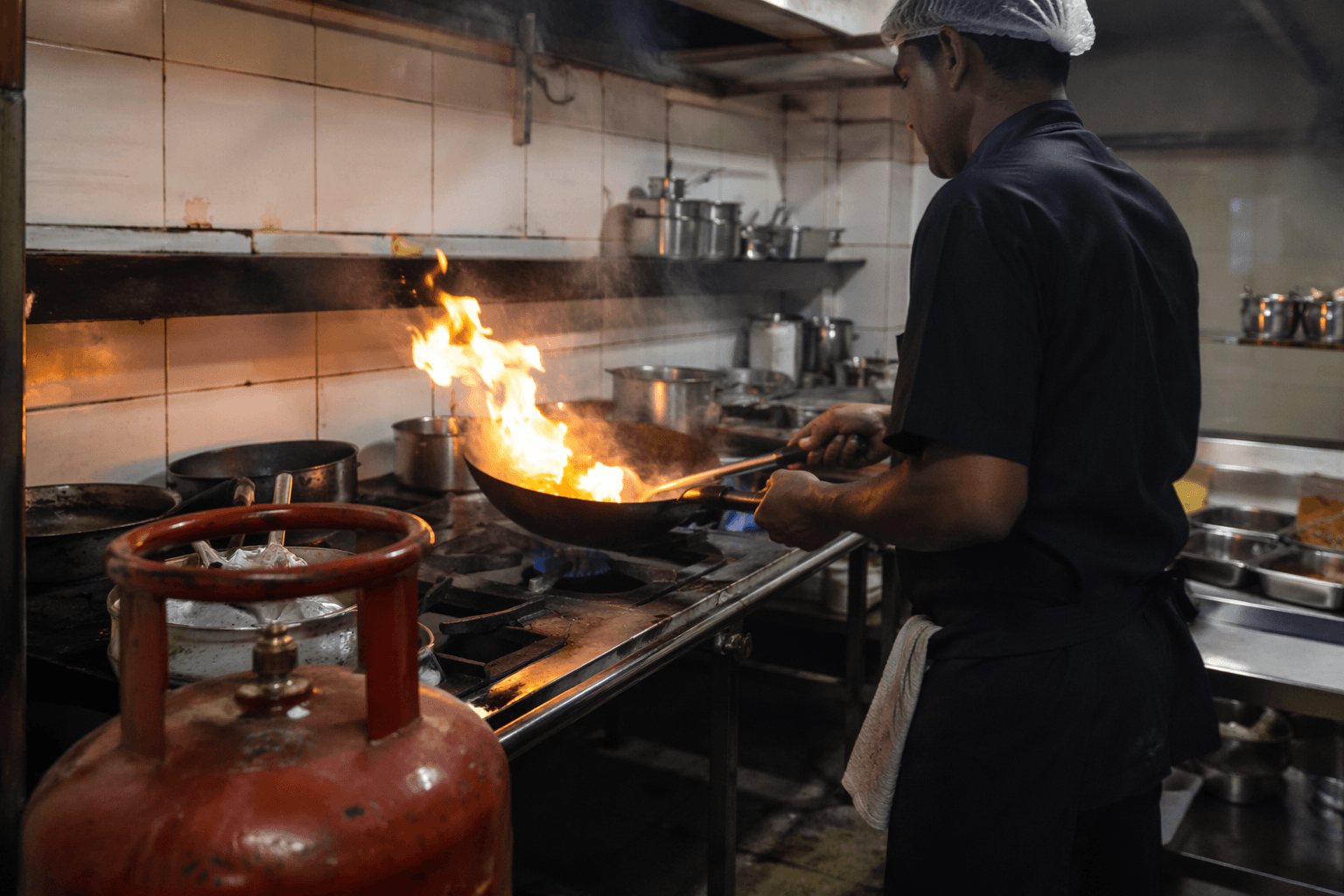
Restaurants prepare to cash in on 2026 FIFA World Cup traffic
The World Cup could lift restaurant sales, but only operators who staff smartly and plan ahead will avoid turning packed rooms into burnout.
The World Cup is a labor test, not just a sales bump
The 2026 FIFA World Cup will put restaurants under a brighter spotlight than a normal summer sports calendar ever could. The tournament runs from June 11 to July 19, 2026, spans 16 host cities across Canada, Mexico, and the United States, and will be the first World Cup with 48 teams and 104 matches. That scale means the winning restaurants will not be the ones that simply absorb extra walk-ins, but the ones that prepare like event operators and protect the people working the rush.
That is the central lesson restaurant analysts are pushing now: if the World Cup is treated like an ordinary Saturday, it will feel like chaos on the floor. If it is treated as a planned hospitality event, it can become a repeatable revenue moment with clearer reservations, steadier ticket times, and less of the last-minute scrambling that burns out crews.
The schedule creates multiple waves of demand
FIFA has the opening match set for Thursday, June 11, 2026, in Mexico City, with the final scheduled for Sunday, July 19, 2026, in New York New Jersey. That two-month window is long enough to create repeated traffic spikes, not just one opening-night surge. In markets with multiple matches, restaurants may see demand build around group play, knockout rounds, and the final stretch rather than peaking once and fading.
Dallas shows why operators need to think beyond a single rush. FIFA says the city is scheduled to host nine matches, including a semifinal. That kind of schedule can create a long run of busy bars, packed dining rooms, and late shifts that stretch well beyond one weekend. In host cities, restaurants near stadium corridors, hotels, transit, and public viewing zones have the clearest chance to capture that traffic.
Fan festivals widen the opportunity beyond stadium neighborhoods
The World Cup opportunity is not limited to the immediate blocks around the stadium. FIFA describes the FIFA Fan Festival as the central fan destination for local communities and fans from around the globe, which matters for restaurants far from the actual match venue. Public viewing areas, downtown entertainment districts, and tourist-heavy corridors can all get pulled into the tournament economy when crowds need a place to eat before and after events.
That means operators should map demand by neighborhood, not just by proximity to a stadium. A restaurant that is far from match day security lines may still be in a strong position if it sits near a fan festival, hotel cluster, or transit route. The practical takeaway is simple: if the city is part of the tournament, the restaurant should behave like part of the tournament too.
The staffing plan decides whether the shift pays or punishes
For workers, big sports events can be good shifts or brutal ones depending on how the schedule is built. Bartenders can see heavier drink volume and faster turns. Hosts have to manage reservation timing, walk-ins, and waitlists with far less room for error. Line cooks usually feel the biggest strain because ticket volume rises while the kitchen still has to hold quality and speed at the same time.
The best operators will not just add bodies at the last second. They will cross-train staff so runners, bussers, and support team members can absorb pressure when one station gets slammed. They will also build in shift premiums for the busiest match days, because extra revenue does not mean much to the crew if the only reward is exhaustion. In restaurants that rely heavily on tips, that can mean a better night for servers and bartenders, but only if management keeps the floor organized enough for table turns to stay brisk and service to stay clean.
- Simplify the menu around fast-moving items that the line can execute consistently.
- Cross-train hosts, servers, runners, and support staff so one break point does not collapse the whole service.
- Use shift premiums or event bonuses for the hardest shifts, especially if the restaurant expects long watch-party volume.
- Tighten reservation discipline so the room is booked intentionally instead of jammed with uneven arrivals.
- Set clear pre-shift expectations on pacing, sections, and comp authority before the first whistle.
Those steps matter because the difference between a good event and a bad one is usually operational, not creative. A packed dining room with no staffing cushion creates more comped food, more stressed cooks, and more resentment on the floor. A packed dining room with a plan can translate into better tips, steadier hours, and fewer service blowups.
The money is real, but it will not land evenly
Technomic has projected a $1.9 billion food-service boost tied to the 2026 World Cup. That kind of figure gets attention, but the distribution matters more than the headline. Revenue Management Solutions says host-city operators can capture meaningful gains in traffic and sales, while some non-host markets saw restaurant sales decline during prior tournaments. In other words, the World Cup can lift some rooms while leaving others flat or even softer than normal.
That unevenness is why managers need to think about where the dollars actually flow. Restaurants that can package watch parties, reserve private dining, or sell pre-booked group experiences are better positioned than places waiting for random foot traffic. Industry guidance from Tripleseat and SpotOn points in the same direction, urging restaurants to treat the World Cup as a season rather than a one-night event and to shift from a walk-in mindset to pre-booked experiences.
For workers, the financial question is not just whether sales rise. It is whether the added revenue reaches the people doing the work. A busier bar can mean more tips for bartenders and servers, but only if staffing levels are strong enough to keep service moving. Back-of-house workers, who often do not share in front-of-house tip income, are the most likely to feel the strain without seeing the upside unless managers build in higher wages, premiums, or other pay adjustments.
The real test is whether restaurants can make the rush sustainable
The World Cup will reward restaurants that act early, book deliberately, and design service around the match calendar instead of hoping the room sorts itself out. The tournament stretches from Mexico City on June 11 to New York New Jersey on July 19, with 104 matches and 16 host cities driving repeated demand windows across North America. That is a rare chance to grow revenue, but it is also a stress test for staffing, scheduling, and pay.
The operators who win will be the ones who convert traffic into organized service, not just crowded shifts. The rest will discover that more customers can still mean less stability for the people on the line.
This article was produced by Prism’s automated news system from verified source data, official records, and press releases, then run through automated quality and moderation checks before publishing. The system is built and supervised by the people who set the standards it runs under. Read our full AI policy.
Did this article answer your question?