Restaurants recover jobs, but labor costs and retention remain strained
Restaurants are rehiring, but higher labor costs and stubborn turnover still shape your schedule, pay, and pace on the floor.
Cooks, servers, bartenders, hosts, and shift leads are still dealing with tighter staffing, uneven schedules, and more pressure to do more with less. Operators have recovered the jobs lost during the pandemic and can once again open locations or stretch hours in ways that were off the table in 2021 and 2022, but high labor costs are still making the job harder to live with.
The labor market is healthier, but not comfortable
The post-pandemic hiring panic has eased, but labor remains operators' top priority. Restaurant and lodging job openings averaged 855,000 over the past 12 months, far below the peaks of 2022, when quits in the sector averaged 787,000 and workers had more leverage to walk.
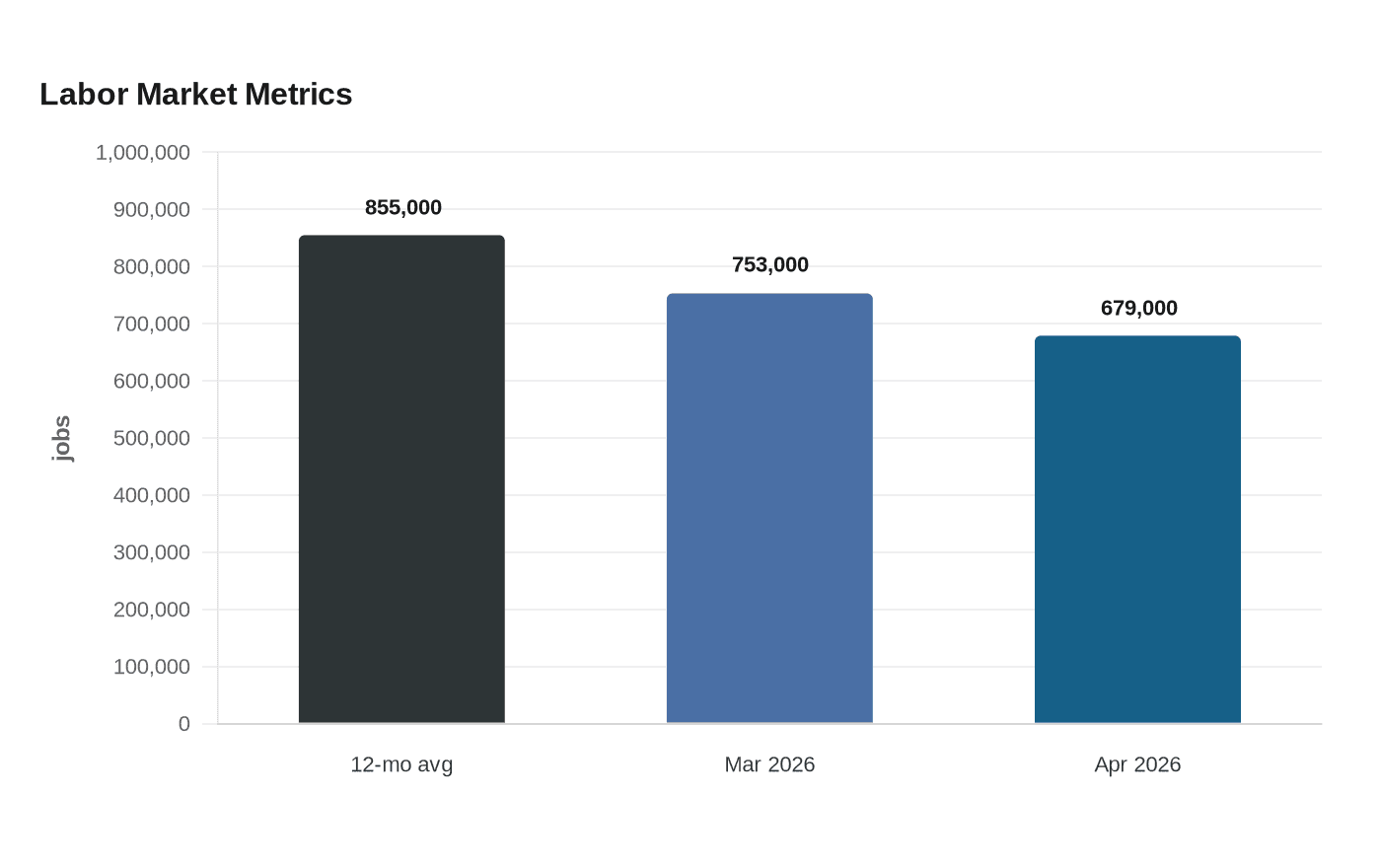
That easing has not produced a normal labor market. In April 2026, restaurant and lodging job openings were still 679,000, down from a revised 753,000 in March, and the accommodations and foodservice industry still had 576,000 quits. The shift from the Great Resignation to the Great Stay means fewer dramatic blowups, but restaurants still have to work harder to keep people engaged enough to stay through the training period.
Why the cost picture still drives the floor
The money problem is bigger than staffing headlines make it look. By late 2024, both food costs and labor costs had risen 35% since 2019, and preserving a pre-pandemic 5% profit margin would have required the average restaurant to raise prices by more than 30%, the National Restaurant Association estimated. As of November 2024, 53% of operators were still carrying debt accumulated since the start of the pandemic.
When labor is expensive, operators try to protect margins by cutting complexity, trimming menu items, leaning on technology, or tightening sections and shifts. When labor gets easier to find, they may reopen positions or extend hours, but that does not automatically mean better staffing on a Tuesday night or a more predictable schedule for the kitchen or the front of house.
Elliot Nelson, founder and CEO of McNellie’s Group in Tulsa, said his average labor-hour cost was about 25% higher than before the pandemic.
Sales are recovering, and so are job counts
The broader industry picture is not recessionary. The National Restaurant Association projected $1.5 trillion in restaurant sales in 2025 and more than 200,000 net new jobs, bringing total restaurant and foodservice employment to 15.9 million by year-end. More than 8 in 10 operators expected 2025 sales to be either higher or about the same as 2024, and some chains and independents are once again thinking about expansion.
That growth, however, is not the same as ease on the payroll. Rising labor and food costs, plus ongoing struggles to recruit and retain employees, remained among the top concerns for both fullservice and limited-service operators. For workers, that usually shows up less in headlines than in the details: who gets the cut shift, which positions are reopened, whether the host stand has one person or two, and whether managers are asking the line to carry a busier service with fewer hands.
Fullservice is still catching up
Restaurant employment is back above its pre-pandemic level in some parts of the industry, but not all. As of May 2026, eating and drinking places were nearly 153,000 jobs, or 1.2%, above February 2020. Fullservice restaurants were still 187,000 jobs, or 3.3%, below pre-pandemic levels as of April 2026.
Fullservice spots are the most dependent on coordinated teams. When staffing is thin, the pressure falls quickly on line cooks, servers, bartenders, and shift managers to cover more roles, handle more tables, and absorb more customer complaints when the pace breaks down.
What workers should expect as operators recalibrate
The current market is pushing restaurants in both directions at once. Some operators will try to improve pay, add perks, or simplify the job so they can keep people longer. Others will respond to high labor costs by shortening hours, trimming the menu, or using technology to reduce the number of hands needed on each shift. Both approaches affect workers directly, but in different ways: one may raise the floor, while the other can squeeze the schedule even when a restaurant is busy.
There are more openings than in the worst of the pandemic era, but the competition for dependable staff remains intense enough that good employers have to sell the job, not just post it. In practical terms, that means pay rates, tip structures, schedules, and training expectations are still in motion, especially in restaurants trying to keep labor costs under control without losing the people who keep service moving.
This article was produced by Prism’s automated news system from verified source data, official records, and press releases, then run through automated quality and moderation checks before publishing. The system is built and supervised by the people who set the standards it runs under. Read our full AI policy.
Did this article answer your question?