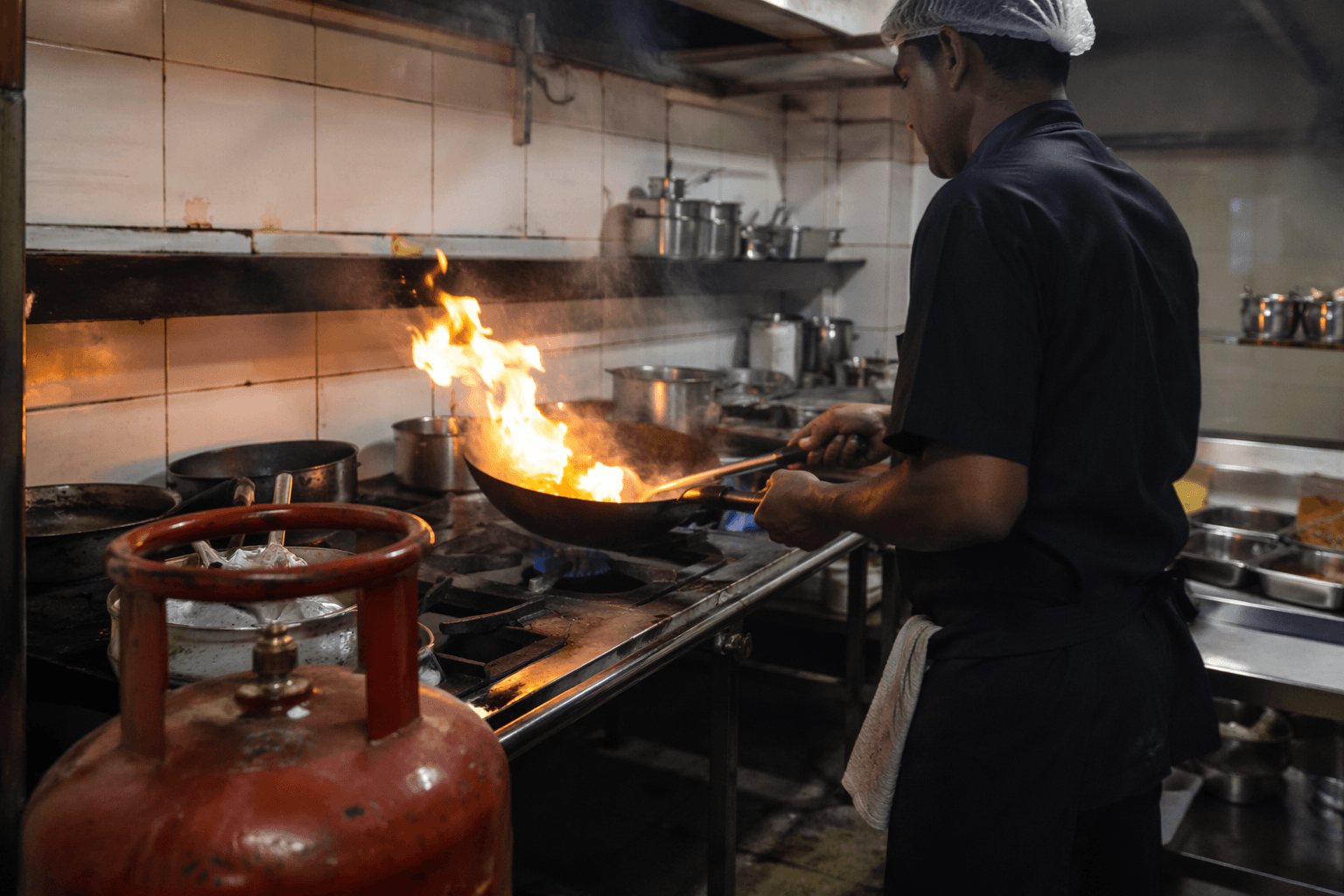
Restaurants rely on H-2B workers, DOL warns on wage compliance
Restaurants are still leaning on H-2B visas, but the wage floor and tight filing deadlines leave little margin when summer and holiday staffing spikes hit.
Restaurant operators that depend on H-2B workers are juggling two pressures at once: finding enough cooks, servers and banquet staff for peak season, and staying inside a wage system the Labor Department says is built to protect both foreign workers and similarly employed U.S. workers. The program requires employers to pay at least the highest of the prevailing wage, federal minimum wage, state minimum wage or local minimum wage, and the Wage and Hour Division can pursue wage payments and civil money penalties when employers miss the mark.
The H-2B category is meant for temporary nonagricultural labor tied to a seasonal need, a peakload need, an intermittent need or a one-time occurrence, which is why it fits so neatly with restaurant work. Summer tourism, holiday rushes, convention traffic and stadium events can overwhelm local hiring pipelines fast. DOL also requires recruitment and displacement standards, and employers must offer the same wage in recruitment materials such as job orders and newspaper ads. They must also provide tools, supplies and equipment required for the job without charging workers a deposit.

The stakes are bigger than one kitchen or one dining room. The statutory H-2B cap is 66,000 visas each fiscal year, split evenly between the first and second half of the year. For fiscal 2026, the Department of Homeland Security and DOL added up to 64,716 supplemental H-2B visas, but those openings moved quickly. USCIS said the second-half cap-subject petitions for jobs starting April 1 through Sept. 30, 2026 reached the limit on March 10, 2026, and the first-half petitions hit their deadline on Sept. 12, 2025. The first allocation of returning-worker visas covered 18,490 workers, and the second covered 27,736, and both allocations filled.

That scarcity matters on the floor. When visas fall short, restaurant managers often have to stretch the crews they already have, which can mean longer shifts, more overtime, and thinner service at the pass, the host stand and the bar. The three-fourths guarantee also limits how much operators can under-schedule workers once they bring them in: in most cases, H-2B employers must guarantee hours equal to at least three-fourths of the workdays in each 12-week period, or over 6 weeks for job orders shorter than 120 days.
The labor squeeze has not eased enough to make that pressure disappear. The National Restaurant Association said broad-based job growth was expected to add 200,000 restaurant jobs in 2025, but fullservice staffing still lagged pre-pandemic levels. As of May 2026, eating and drinking places were nearly 153,000 jobs above February 2020, while fullservice restaurants were still 187,000 jobs below that benchmark. For operators trying to keep patios open, banquet rooms staffed and dinner service on time, H-2B remains a pressure valve, but one with strict wage rules, tight deadlines and little room for error.
This article was produced by Prism’s automated news system from verified source data, official records, and press releases, then run through automated quality and moderation checks before publishing. The system is built and supervised by the people who set the standards it runs under. Read our full AI policy.
Did this article answer your question?