Restaurants remain the top first-job launchpad for workers and teens
Restaurants still hand many workers their first real paycheck, but the difference between a launchpad and churn comes down to training, promotion, and scheduling.
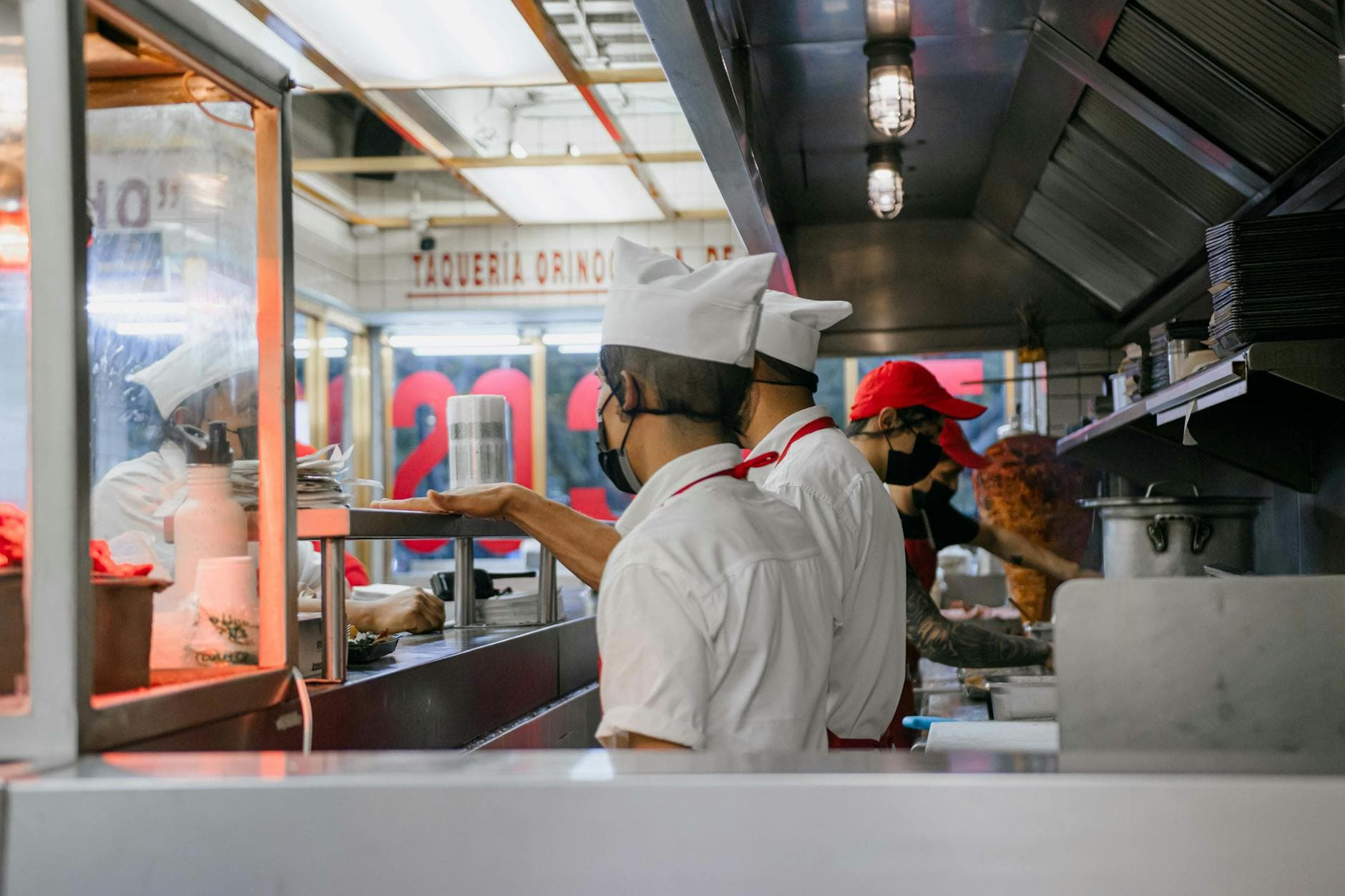
Why restaurants are still the first stop
Restaurant work remains one of the clearest entry points into the labor market, and the numbers explain why. The National Restaurant Association says nearly one-half of adults report that their first regular job was in the restaurant and foodservice industry, and roughly one in four restaurant openings are filled by people for whom it is their first regular job. The same industry also sits at the front of the promotion pipeline: about 9 in 10 restaurant managers and 8 in 10 restaurant owners started in entry-level restaurant positions.
That matters because restaurant work is not just filling tables and firing tickets. It is where millions of people first learn how to show up on time, handle pressure, and work inside a team that cannot function if one person drifts. The 2025 State of the Restaurant Industry pocket guide says nearly half of adults’ first jobs were in a restaurant, and 1 in 3 employed teens work in restaurants, more than any other industry. For a sector that depends on young workers, that is both a labor reality and a responsibility.
What the job actually teaches
The strongest argument for restaurant work is not nostalgia, it is skill transfer. The National Restaurant Association describes restaurant jobs as a training ground for soft skills that employers value across the economy, including customer service, communication, and teamwork. In practice, that often means learning how to calm an angry guest, coordinate with a dining room under pressure, and keep service moving when the whole floor is underwater.
The skills are more specific than people outside the industry sometimes assume. A busser can learn sequence and systems. A host can become good at conflict de-escalation. A line cook can learn how to stay effective when the team is short-handed and the ticket printer will not stop. Restaurant workers also pick up time management, guest recovery, upselling, and the habit of making decisions fast without losing the room. Those are not just restaurant skills, they are work skills that translate into hospitality, retail, events, operations, and office-based service jobs.
For younger workers and people changing careers, that makes a restaurant job useful in a very practical way. It can turn a first shift into a résumé line that says more than “entry-level.” It can show that someone learned more than one station, can work under pressure, and knows how to keep a room moving when things go sideways. In an economy where reliability is often the first thing managers say they want, restaurants are one of the few places where workers can prove it daily.
Why the sector keeps showing up in youth employment
The restaurant industry’s role as a starter job is reinforced by broader labor data. The U.S. Department of Labor says there were about 13.9 million people employed in food service occupations in 2022, and it projects those occupations will grow by about half a million jobs from 2022 to 2032. The agency also highlighted especially strong projected growth for bartenders, first-line supervisors of food preparation and serving workers, and chefs and head cooks over that decade.
Youth employment data point in the same direction. The Bureau of Labor Statistics says leisure and hospitality employed 25 percent of employed youth ages 16 to 24, or 5.4 million workers, the largest share among industries. That helps explain why restaurant jobs remain such a common first workplace: they are widely available, they hire younger workers, and they often do not require a long résumé to get in the door. CNBC, citing BLS data, also reported that 1.63 million people ages 16 to 19 worked in food and drinking places in 2020, a reminder that the industry has long been one of the main places teenagers get their first paycheck.
The difference between a launchpad and a churn machine
Not every restaurant job produces long-term value. The same sector that can teach speed, teamwork, and service can also burn workers out with erratic scheduling, weak training, and constant turnover. When that happens, the employee leaves with a few shifts of experience, but not enough structure to convert that experience into a better job. That is the gap between a true training ground and a churn machine.
The industry’s own data make that gap hard to ignore. If nearly half of adults first worked in restaurants and 9 in 10 managers started entry-level, then the job can absolutely lead somewhere. But it only does that when the employer treats onboarding as an investment, not a formality. Workers need more than a uniform and a station assignment. They need managers who teach, feedback that is specific, and enough consistency to build confidence instead of just surviving the rush.
What real training looks like
The restaurant industry has started to build more formal ladders, and that is a sign employers understand the stakes. The National Restaurant Association Educational Foundation says its Restaurant Ready program provides first-job skills training. In 2025, it says 2,508 individuals received that training, 32 new Restaurant Ready sites were added, and the program expanded into five new states. That is not just a workforce announcement. It is evidence that the industry knows its front door has to do more than hire bodies.
The apprenticeship side is even more telling. The foundation says more than 500 people advanced through apprenticeship training in 2025, and the U.S. Department of Labor says hospitality registered apprenticeship served 10,040 apprentices in 2025, up 26 percent over the past five years. For workers, that kind of structure can turn a first restaurant job into a path toward supervision or management. For operators, it is a hedge against the chronic cost of turnover, because a trained worker is more likely to stay, grow, and take institutional knowledge with them into the next shift.
What to look for in a restaurant that actually develops people
- New hires learn multiple stations, not just one repetitive task.
- Managers coach customer service, communication, and teamwork instead of only correcting mistakes.
- Workers get chances to move from entry-level tasks into more responsibility.
- Training is tied to advancement, including apprenticeships or first-job skills programs.
- The culture rewards reliability and cross-training, not just speed.
A restaurant is acting like a launchpad when it does more than fill shifts. The signs are usually visible on the floor:
That is what separates a place that creates future supervisors, owners, and managers from one that simply burns through teenagers and first-timers. Restaurants will stay a major entry point into work because the industry hires large numbers of young people, promotes from within, and still needs labor at every level of the operation. The open question is whether more employers will treat that first job as the beginning of a career, or just another short stop on the way out the door.
This article was produced by Prism’s automated news system from verified source data, official records, and press releases, then run through automated quality and moderation checks before publishing. The system is built and supervised by the people who set the standards it runs under. Read our full AI policy.
Did this article answer your question?