Restaurants weigh robots and voice AI against real-world costs
A $75,000 fry cook and a $100,000 robot barista drew attention in Chicago, but operators were asking a harder question: what actually pays off on the floor?
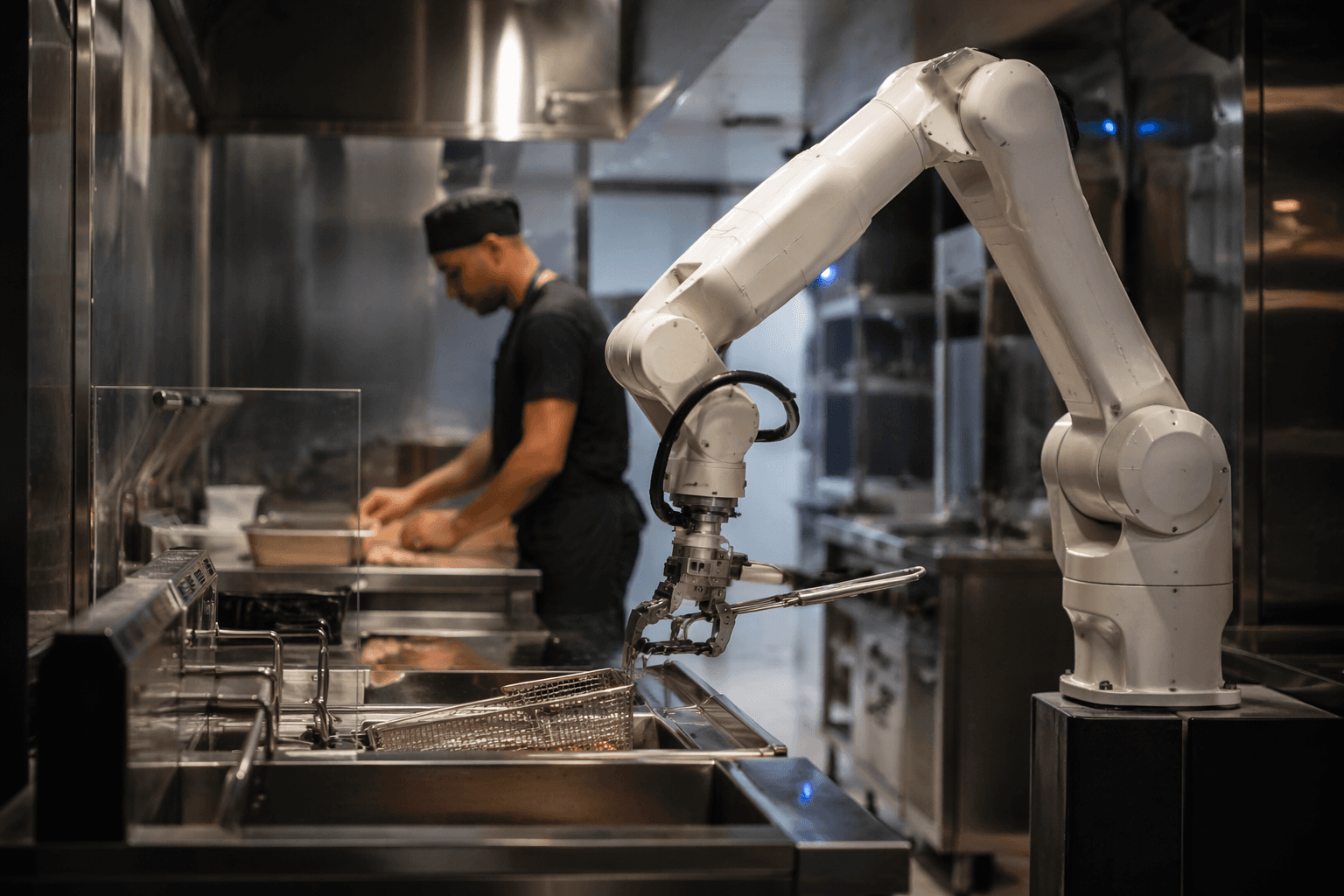
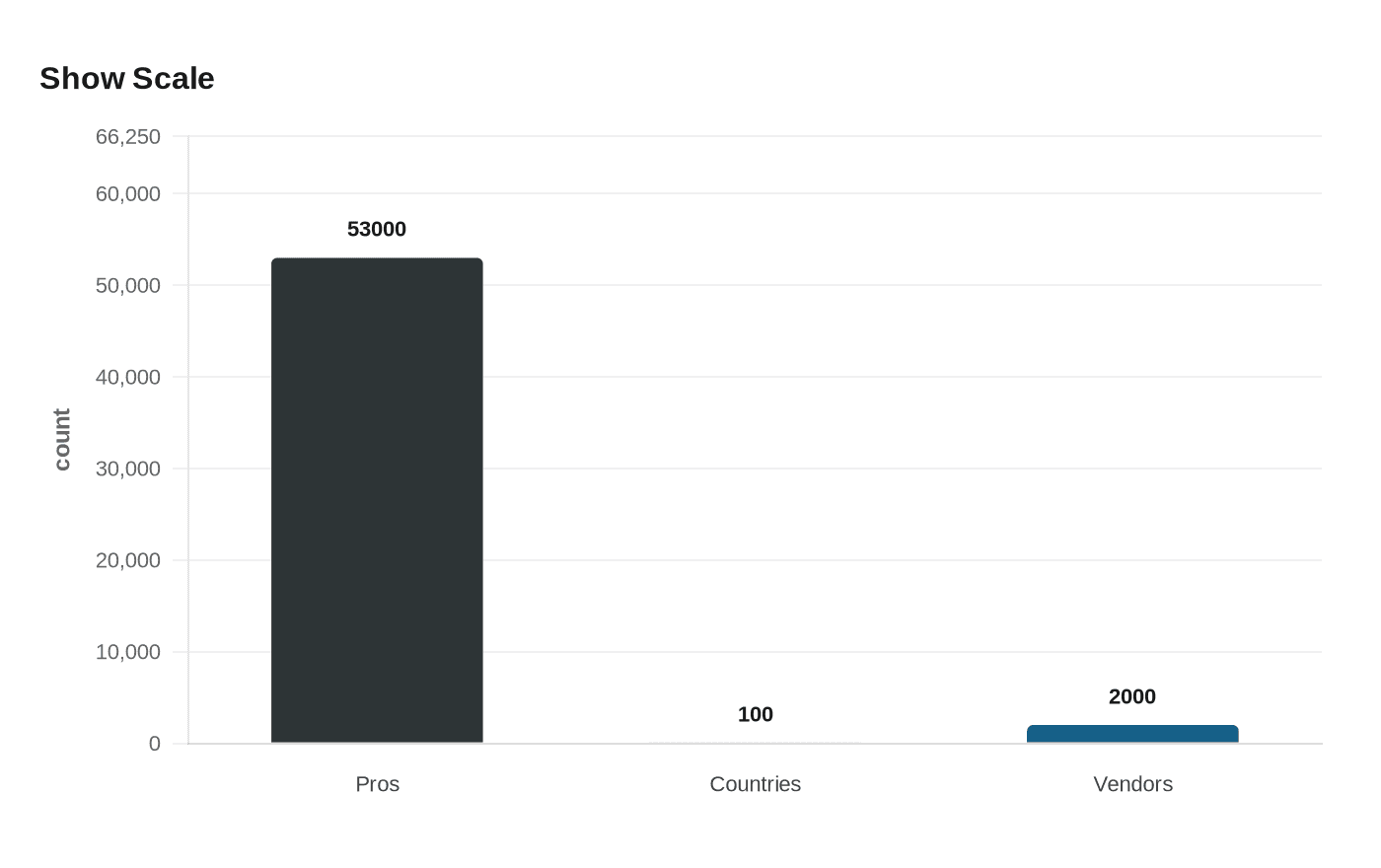
A $75,000 fry cook and a $100,000 robot barista got plenty of attention in Chicago, but the real test on the show floor was simpler: what actually saved labor on a live shift. The National Restaurant Association Show ran May 16-19 at McCormick Place, where organizers said more than 53,000 foodservice professionals from 100 countries and more than 2,000 vendors crowded the halls.
Voice AI was one of the loudest pitches. Some vendors tried to make it feel less futuristic and more useful by building around old-fashioned landlines, a sign that the industry still wants automation to look familiar enough for a manager, host or shift lead to trust it. Robots were everywhere too, from fryer stations to service concepts, and the most useful versions were the ones that promised to trim repetitive work rather than add another screen to watch.
That is the line operators are still trying to draw. A robot that keeps a fryer moving, an AI assistant that flags when a store is out of ketchup, or a drone delivery concept can reduce some of the grind that falls on line cooks, managers and closing crews. But the same tools can also create more training, more troubleshooting and more pressure to babysit software if they do not actually simplify the shift. For crews already dealing with staffing shortages, turnover and burnout, that difference matters.
The business case for experimenting was clear enough. The National Restaurant Association’s 2026 State of the Restaurant Industry report projected total restaurant and foodservice sales of $1.55 trillion and said operators were forecast to add more than 100,000 jobs in 2026. At the same time, the association said 26% of operators were already using AI-related tools. A December 2025 TD Bank survey of 253 restaurant franchise leaders found labor shortages remained a crucial concern going into 2026, which helps explain why automation drew so much traffic at the show.
Miso Robotics tried to position its Flippy system as more than a trade-show demo, saying the newer version was redesigned from five years of deployments and millions of baskets fried. That history matters because restaurant tech is no longer selling only novelty. It is being judged on uptime, service costs and whether it can survive a lunch rush without giving managers another problem to solve. In a business where every minute of fryer time, every tipped shift and every understaffed station hits the bottom line, the winners will be the tools that actually reduce friction.
Know something we missed? Have a correction or additional information?
Submit a Tip