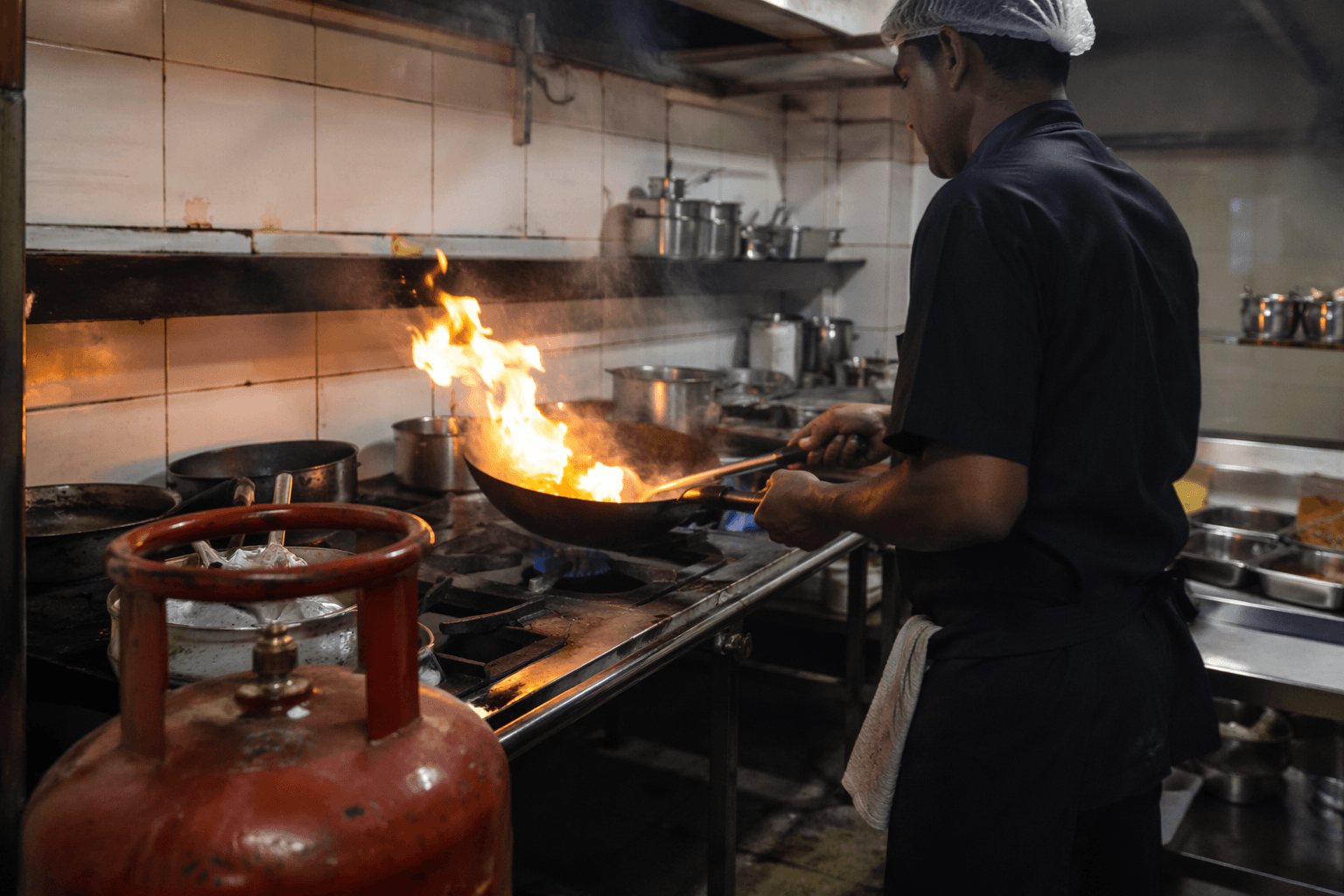
Rising gas prices squeeze beer sales, threatening restaurant margins
Higher gas prices are cutting into beer sales, and the fallout reaches restaurant workers through smaller tabs, thinner tips and leaner shifts.
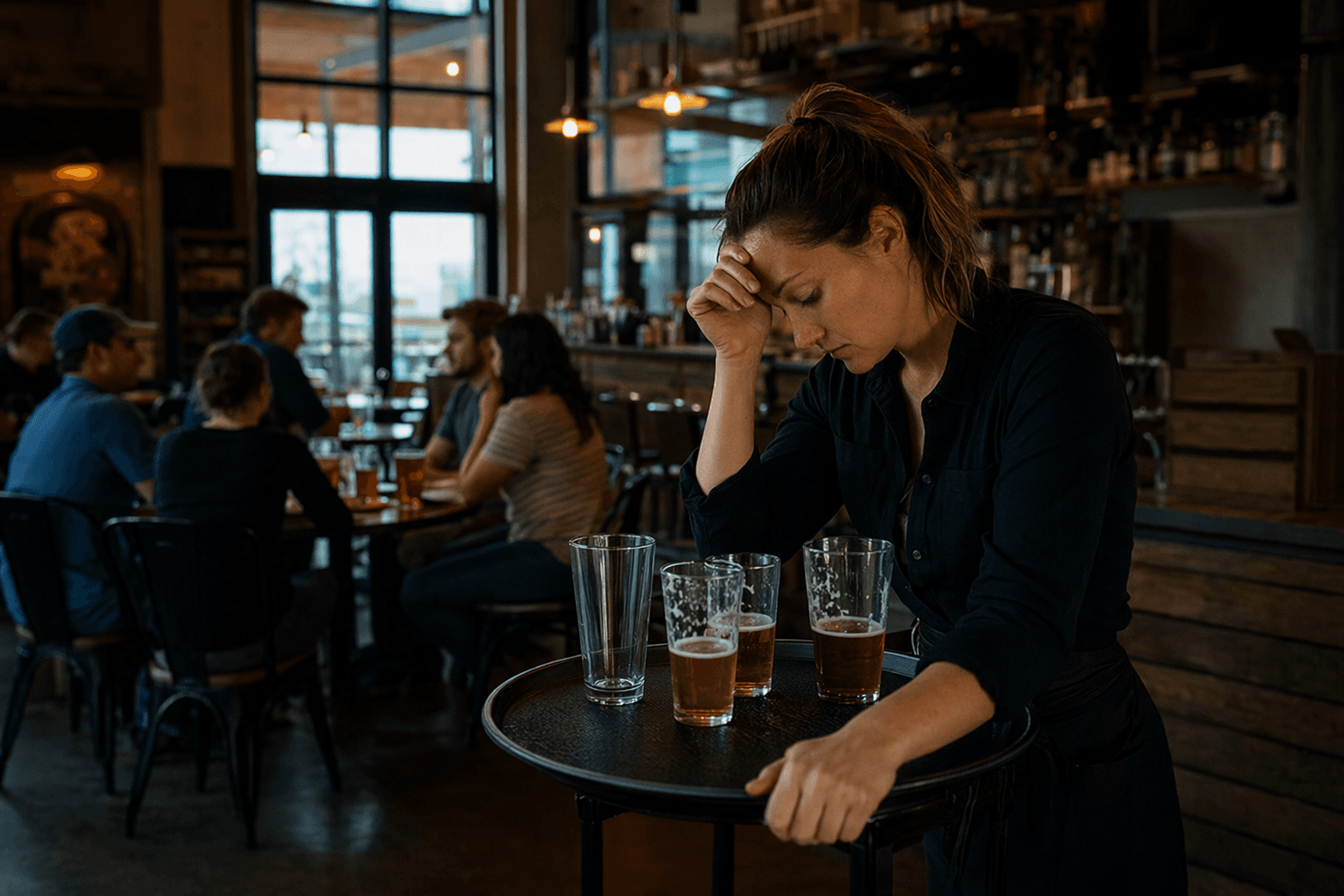
Higher gas prices are not just trimming car budgets. They are also shrinking beer sales, and that is starting to hit the part of restaurant business that pays the bills: alcohol-driven check sizes, tips and the late-night shifts built around them.
Beer, malt beverage and cider volumes fell 6.3% year over year through the week ending May 2, 2026, while alcoholic beverage sales dropped 5.4% in April from a year earlier. The steepest declines showed up in convenience stores, a sign that consumers were cutting back where the purchase was easiest to skip. California stood out as the weakest beer market in the slowdown, with gas prices around $6 a gallon, the highest in the United States.

The pressure starts at the pump. Regular gasoline prices were about 52% higher than before the Iran war began, and the national average reached $4.54 a gallon on May 6, up 31 cents in a single week. When getting around costs more, people make fewer extra stops, stay home more often and are less likely to turn a quick meal into a round of drinks. That matters in bars, taprooms and full-service restaurants where beer often makes up the difference between an average check and a profitable one.
On the floor, the effect is immediate. If a guest skips one more pint, a bar seat turns over more slowly, the tab shrinks and the tip can disappear with it. Bartenders and barbacks feel it first, but servers and hosts feel it too when after-work crowds and game-day traffic thin out. Operators who depend on alcohol margins may respond the way they do in any soft patch: cut late-night coverage, tighten labor around peak hours or trim the number of shifts that once looked safe.

The timing is awkward for an industry already dealing with soft traffic. Black Box Intelligence said March restaurant traffic fell 2.3% from a year earlier, the eighth straight month of negative traffic growth, even as sales rose just 0.7%. The National Restaurant Association still projected $1.55 trillion in U.S. restaurant sales for 2026 and 1.3% real growth, which shows how much of a headwind fuel costs have become. For restaurants built on alcohol sales, a pullback in beer demand is not a side story. It is a direct threat to margins, staffing stability and the number of shifts that can stay fully staffed.
This article was produced by Prism’s automated news system from verified source data, official records, and press releases, then run through automated quality and moderation checks before publishing. The system is built and supervised by the people who set the standards it runs under. Read our full AI policy.
Did this article answer your question?