Seattle pizza-robot startup Picnic shuts down, will liquidate assets
Picnic’s pizza robots drew headlines, pilots and $50 million in backing, but the Seattle startup is now winding down and selling everything off.
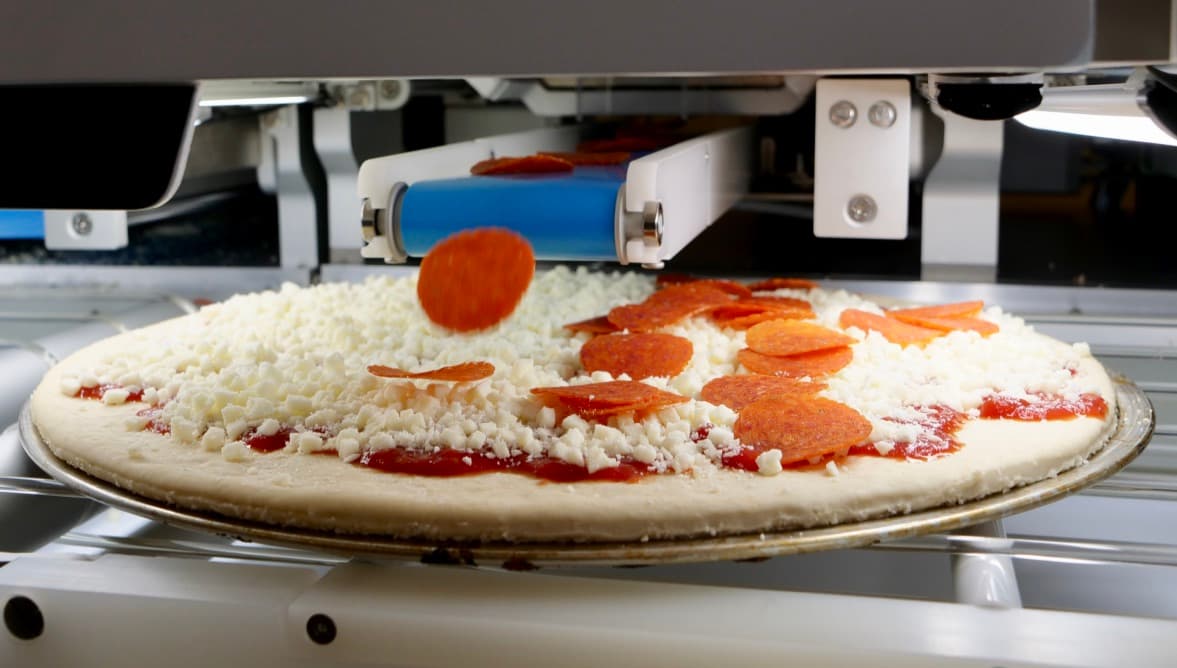
Picnic, the Seattle startup that promised to automate pizza assembly, has shut down and will liquidate its assets after 10 years in business. A buyer has already been found for the company’s assets and intellectual property, but the name and price were not disclosed. Picnic executed a General Assignment for the Benefit of Creditors on May 11, a state-law wind-down process outside bankruptcy.
For restaurant operators, the collapse is a reality check on a category that has been sold as a fix for labor shortages, prep bottlenecks and back-of-house burnout. Picnic built the Picnic Pizza Station in two sizes, first called Leonardo and Michelangelo, and marketed it as a modular system that needed only a 208-volt outlet, with no plumbing or buildout. The company said one employee could use it to turn out up to 100 customized 12-inch pizzas an hour, while earlier coverage put throughput as high as 300 pizzas per hour in some setups.
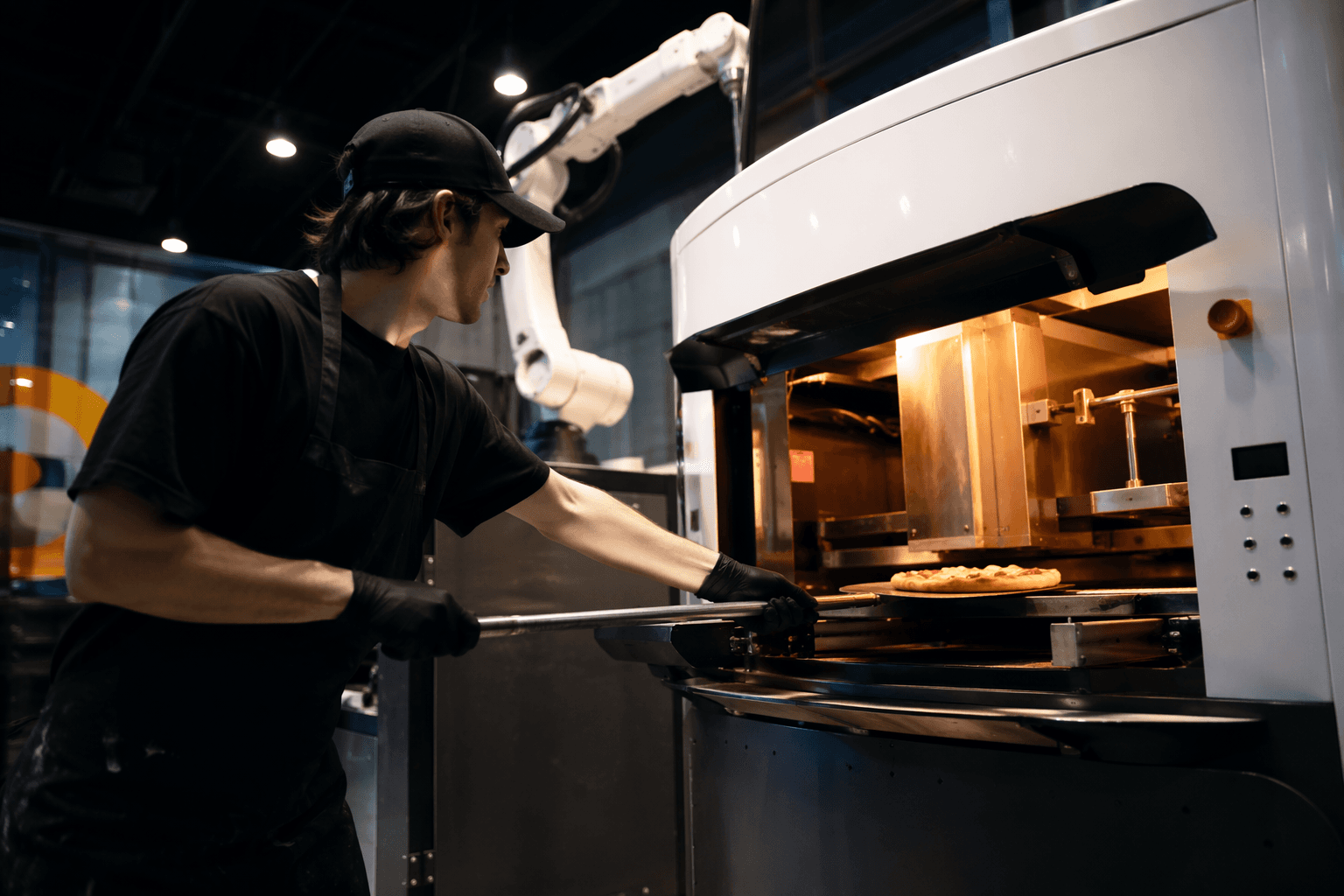
That kind of promise helped Picnic land pilots and attention from Centerplate at T-Mobile Park in Seattle, universities, stadiums, big-box retailers, hospitality venues and Domino’s in Berlin. The company also said it had been recognized by the National Restaurant Association, CES and FoodTech 500. Even so, the business could not keep going, a reminder that a demo on a trade-show floor is not the same thing as surviving a dinner rush, a staffing crunch and the day-to-day mess of restaurant operations.
When a robotics vendor folds, the fallout lands on the people on the line. Managers are left to sort out stranded equipment, retrain crews, patch over broken workflows and absorb the cost of a tool that was supposed to save labor. If a machine goes down in a kitchen built around speed and consistency, the result is usually more troubleshooting, not less, and the people on duty are the ones who pay for the delay in tickets, the frustration in the rush and the extra steps that come with keeping service moving.
Picnic had raised about $50 million over its life, including a $5 million round in 2024, but even that funding was not enough to make the model stick. The company also shifted its pitch in 2024 toward higher-volume customers such as cafeterias and stadiums instead of traditional pizzerias, a sign that the economics of restaurant robotics were getting harder, not easier. For workers and managers, the lesson is blunt: automation may keep coming, but the real test is whether it reduces pressure on the shift or just creates a new kind of operational risk.
This article was produced by Prism’s automated news system from verified source data, official records, and press releases, then run through automated quality and moderation checks before publishing. The system is built and supervised by the people who set the standards it runs under. Read our full AI policy.
Did this article answer your question?