Senate bill would speed restaurant union organizing and contract talks
Restaurant unions could hit the bargaining table in 10 days under a Senate bill that would also move to mediation after 90 days without a deal.
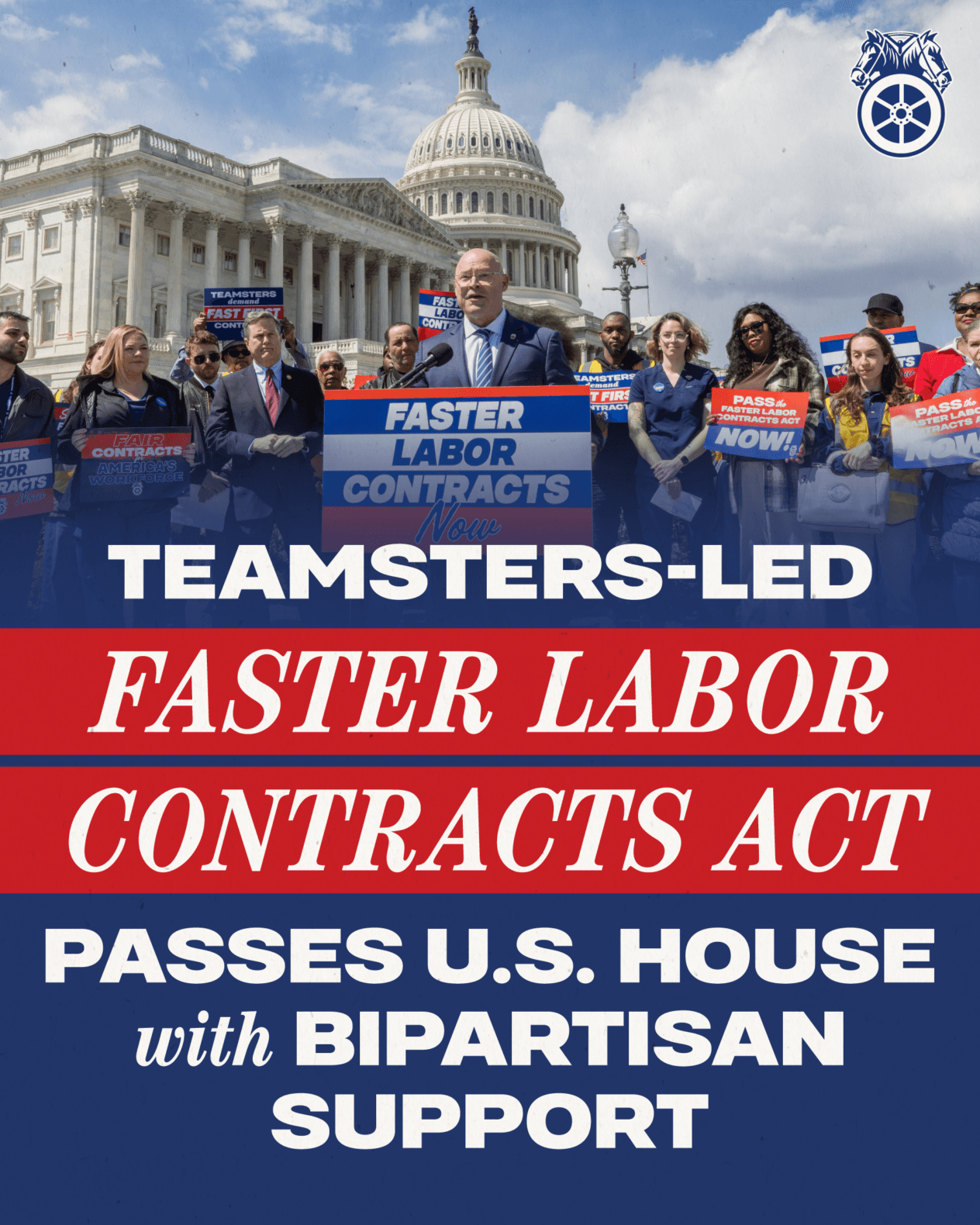
Restaurant workers who win a union election could have management at the bargaining table within 10 days under the Faster Labor Contracts Act. If the sides still had no agreement after 90 days, the bill would send them into mediation and potentially arbitration, a timetable that would narrow the room many restaurants now have to run out the clock.
That deadline matters most in restaurants, where organizing often moves store by store and momentum can disappear fast. Crews in kitchens, dining rooms and bars can change quickly because of turnover, shifting schedules and split shifts, and a campaign that drags on gives operators more chances to reset the workplace before workers can lock in a vote or push for a first contract. A faster bargaining clock would change that balance by making it harder for employers to stall once a unit is certified or recognized.
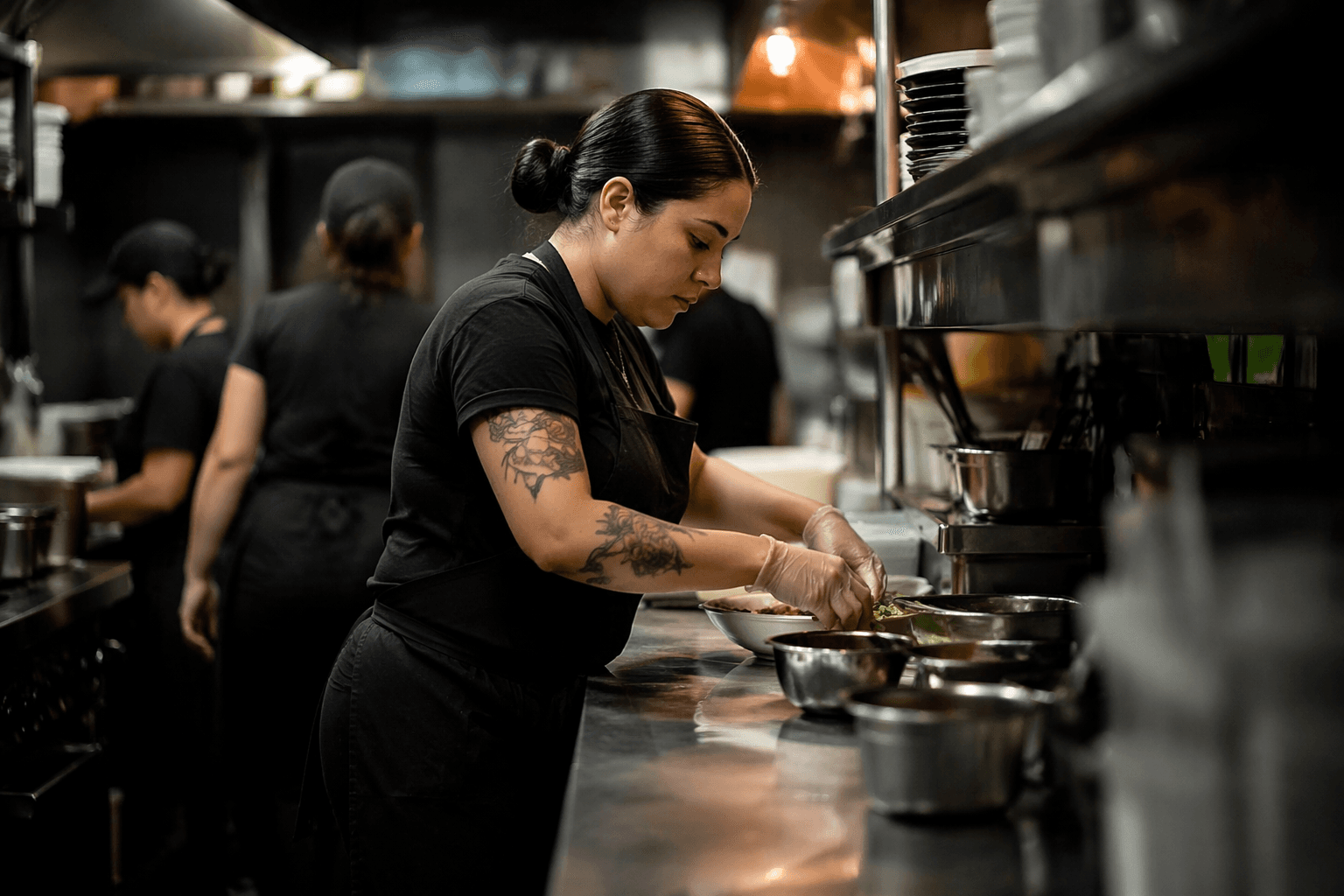
The House passed the measure on June 9 by a 230-193 vote, with 20 Republicans joining Democrats. The chamber advanced it after a discharge petition forced it to the floor, and the Senate version was introduced last year by Sen. Josh Hawley of Missouri and Sen. Cory Booker of New Jersey. That bipartisan pairing has made the bill one of the clearest signs that some Republicans are willing to entertain labor-friendly changes that would have been far harder to imagine a few years ago.
The National Labor Relations Board had already moved in a faster direction when it adopted a final rule on Aug. 24, 2023, restoring election procedures that had been slowed by the 2019 rule. The board’s action focused on representation elections; the new bill would push the speed-up further by reaching the bargaining stage, where restaurant workers often discover whether a union victory turns into an actual contract or just another long delay.
The stakes are also plain in pay law. Oklahoma voters rejected State Question 832 in 2026, which would have raised the state minimum wage from $7.25 to $15 by 2029. The federal minimum wage remains $7.25 an hour, a reminder that restaurant workers still live with wildly different wage rules depending on where they punch in. In that setting, a law that forces bargaining to start fast would matter not as a Washington abstraction, but as a timer set on the shop floor.
This article was produced by Prism’s automated news system from verified source data, official records, and press releases, then run through automated quality and moderation checks before publishing. The system is built and supervised by the people who set the standards it runs under. Read our full AI policy.
Did this article answer your question?