Service charges can cut tips, raise legal risk for restaurants
Service charges can quietly cut servers’ tips and trigger legal fights over who gets paid. Clear disclosure is what keeps the money, and the risk, from landing on workers.

Service charges may look like a fix for rising labor costs, but on the floor they often become a fight over tips, wages, and trust. A fee billed as a living wage charge or kitchen appreciation fee can change what guests think they owe, and that can cut into servers’ and bartenders’ income if the restaurant does not spell out who gets the money. The legal exposure is just as real, because disclosure rules in California and Washington can turn a vague surcharge into a wage dispute.
Why the wording matters at the table
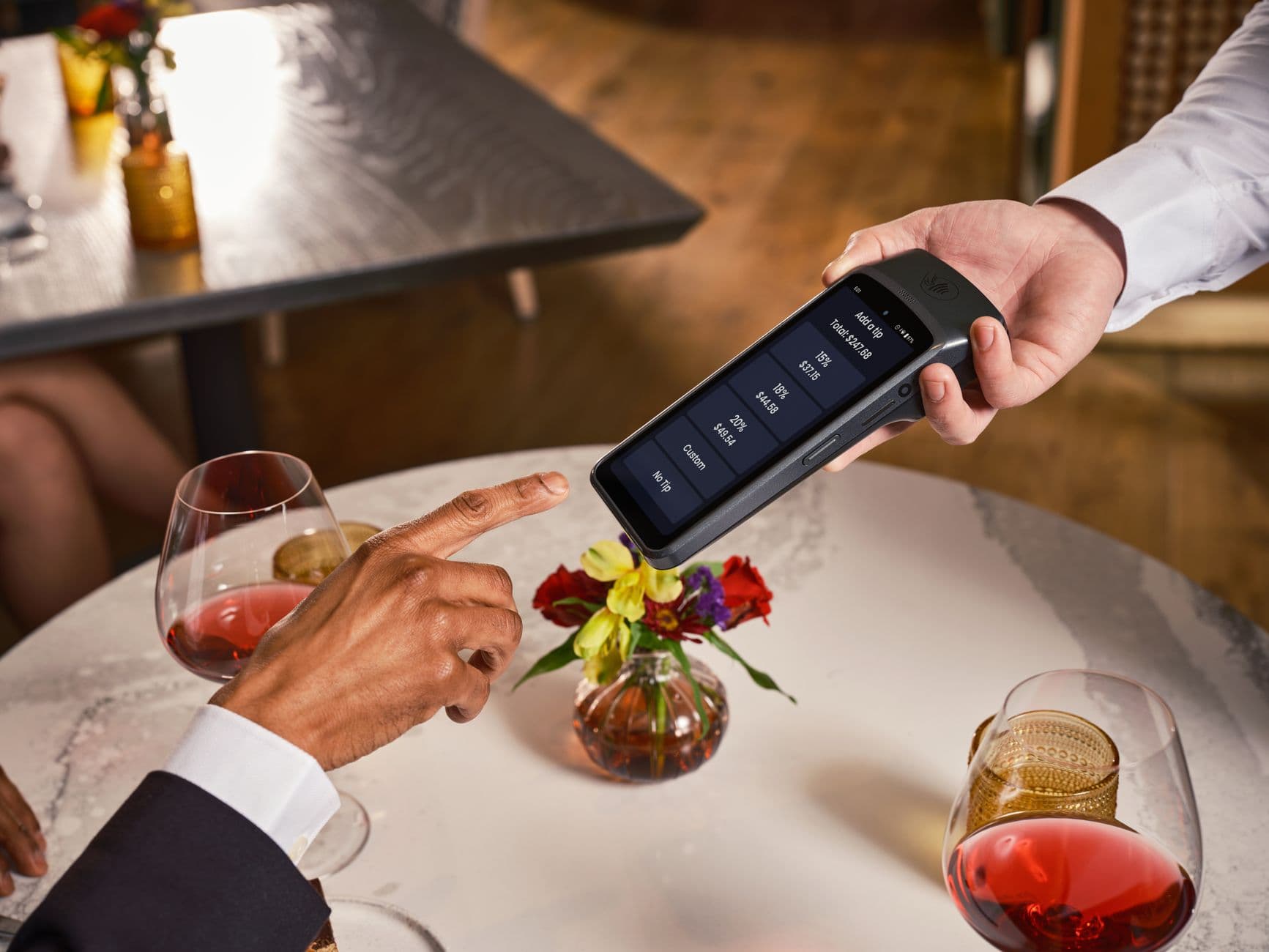
Restaurants across the country are adding surcharges to bills to avoid raising menu prices, but the name on the receipt is only part of the story. Some operators clearly disclose the fee on the menu and explain how it is used. Others use softer labels that sound like a tip, which can send guests the wrong signal and create a direct problem for front-of-house workers.
That confusion is where the paycheck risk starts. Former servers have argued that a mandatory service charge made customers think tipping was unnecessary, even when the fee did not fully go to the people taking the tables, running food, or pouring drinks. If the charge replaces tips without a corresponding wage increase that is transparent to staff, servers and bartenders can lose income while the restaurant claims it is supporting the whole team.
The same charge can mean very different things depending on how the house structures it. If it is meant to lift back-of-house pay, that can help cooks and dish staff who have long been left out of tipping culture. But if the formula is hidden, employees are left guessing whether the fee sits on top of tips or stands in for them.
In practice, the questions that matter are simple:
- How is the service charge split?
- Who decides the split?
- Does the restaurant keep any of it?
- How is it described to guests on the menu and the receipt?
Those details decide whether the fee is a real wage model or just a more complicated way to move money around the bill.
The tipping confusion behind the backlash
This problem lands in a country where tipping is already messy. Pew Research Center found that 72% of U.S. adults said tipping is expected in more places today than five years ago, and only about one-third said it is easy to know whether to tip or how much to tip. Pew also found more Americans oppose suggested tip amounts than favor them, 40% to 24%.
That matters because service charges can look like tips to diners, especially when the bill arrives with little explanation. A guest who assumes the charge replaces a gratuity may leave nothing extra, while a worker who depends on tips may end the shift short. For restaurants, that is not just a customer-service issue, it is an income issue for the people on the floor.
The danger grows when management uses the charge to cover multiple costs at once. A fee that is supposed to fund labor, health care, or higher kitchen wages can still collide with tipping norms if it is not disclosed in plain language. The more the fee resembles a tip to a guest, the more likely it is to become a fight about who really earned it.
California and Washington draw different lines
California tightened the rules with SB 478, which took effect on July 1, 2024. The state’s Department of Justice says mandatory fees charged by restaurants, bars, and other select food vendors are exempt from the law as long as the fee is clearly and conspicuously disclosed wherever prices are shown. In other words, restaurants can still use certain mandatory fees, but they cannot bury them.
Washington state takes a worker-centered approach. Labor officials say that if a business imposes a service charge, it must clearly disclose on the receipt and menu how much, if any, an employee will receive from that charge. If the disclosure is missing or unclear, the entire service charge must be paid to the employee who provided the service. For workers, that makes the paper trail just as important as the payout.
Those rules are a warning for managers who assume a fee can be introduced quietly and sorted out later. If the language is vague, the money can end up going to the wrong place, or staying in the house when customers thought it was a gratuity. The cost of that mistake is not abstract; it can land on hourly pay, tip income, and staff morale.
Federal wage rules still set the floor
Federal law adds another layer. The U.S. Department of Labor says a tipped employee is someone who customarily and regularly receives more than $30 a month in tips. Under the Fair Labor Standards Act, an employer using a valid tip credit must pay at least $2.13 an hour in cash wages, and tips plus cash wages must still meet at least the federal minimum wage of $7.25 an hour.
That matters when service charges are introduced as a substitute for, or supplement to, tipping. If workers are told a fee is helping wages but their cash pay does not change in a meaningful and transparent way, the promised benefit may never show up on the paycheck. The restaurant can say it is redesigning compensation; the crew experiences it as lower tip income with more confusion attached.
The legal risk is not theoretical
Restaurant Business reported that the Federal Trade Commission received more than 10,000 complaints about service fees during its junk-fee rulemaking. The agency later received more than 4,600 communications from restaurants opposing elimination of service fees, which shows how much the industry depends on these charges and how much friction they create. The final federal rule narrowed away from restaurants, but the debate made clear that service fees are now a live legal issue, not a niche accounting choice.
One of the most cited precedents is the Marriott Marquis San Francisco banquet-server case. In 2023, a California Superior Court judge tentatively awarded about $9 million after finding that reasonable customers would have understood the hotel’s percentage-based service charge to be a gratuity and that Marriott had retained part of it. The case covered banquet servers who worked from 2012 to 2017, and the ruling said the hotel had distributed only 70% to 72% of the service charges to banquet staff.
Marriott changed its billing practice in 2017 by splitting the charge into a “staff charge” and a “house charge.” That shift is telling. Once a service charge becomes hard to distinguish from a tip, the dispute is no longer just about menus or pricing strategy. It becomes a question of whether workers were told the truth about where the money was going.
For restaurant workers, the real test is simple: does the service charge improve wages without erasing tips, or does it quietly move income away from the people earning it? When the answer is hidden in vague language, everyone on the floor pays for it, and the fight usually starts with the paycheck.
This article was produced by Prism’s automated news system from verified source data, official records, and press releases, then run through automated quality and moderation checks before publishing. The system is built and supervised by the people who set the standards it runs under. Read our full AI policy.
Did this article answer your question?