South African restaurants feel cost squeeze as delivery reshapes sales
Off-premise sales now drive 35% to 40% of turnover, but delivery fees, load shedding and food inflation are squeezing South African restaurant margins.
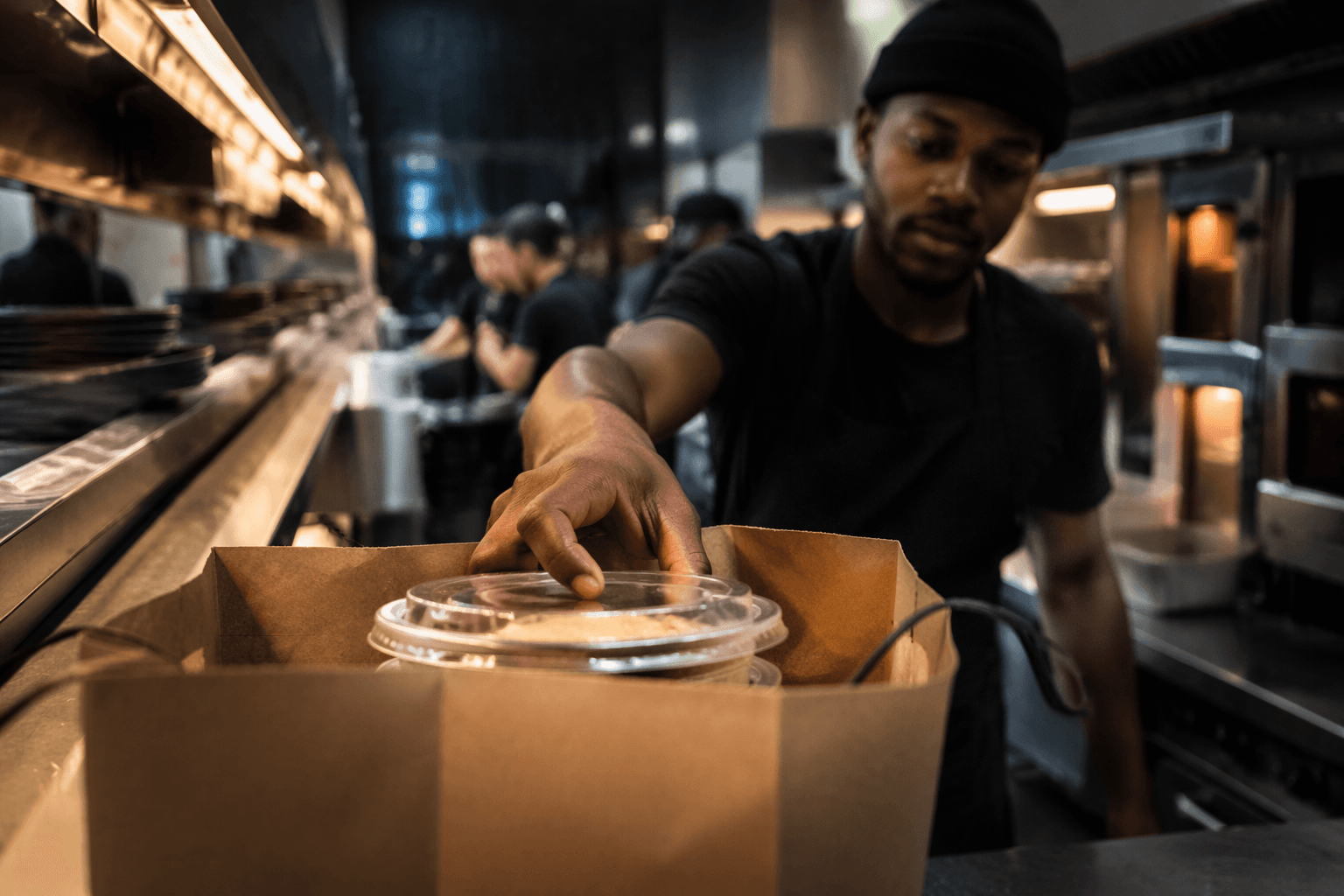
Delivery and takeout have become central to South African restaurant economics, but the money coming in is thinner than the sales numbers suggest. Leading quick-service operators now say about 35% to 40% of turnover comes from off-premise consumption, while delivery platforms can take up to 10% off margins before a restaurant has paid for food, labor, rent or power.
That squeeze lands in a market where price hikes are hard to push through. Statistics South Africa put food and non-alcoholic beverages inflation at 5.1% in June 2025 and 5.7% in July 2025, while headline consumer inflation ran at 3.0% and 3.5% in those same months. For restaurants and QSR chains, that leaves little room to raise menu prices without losing customers who are already trading down or buying less often.
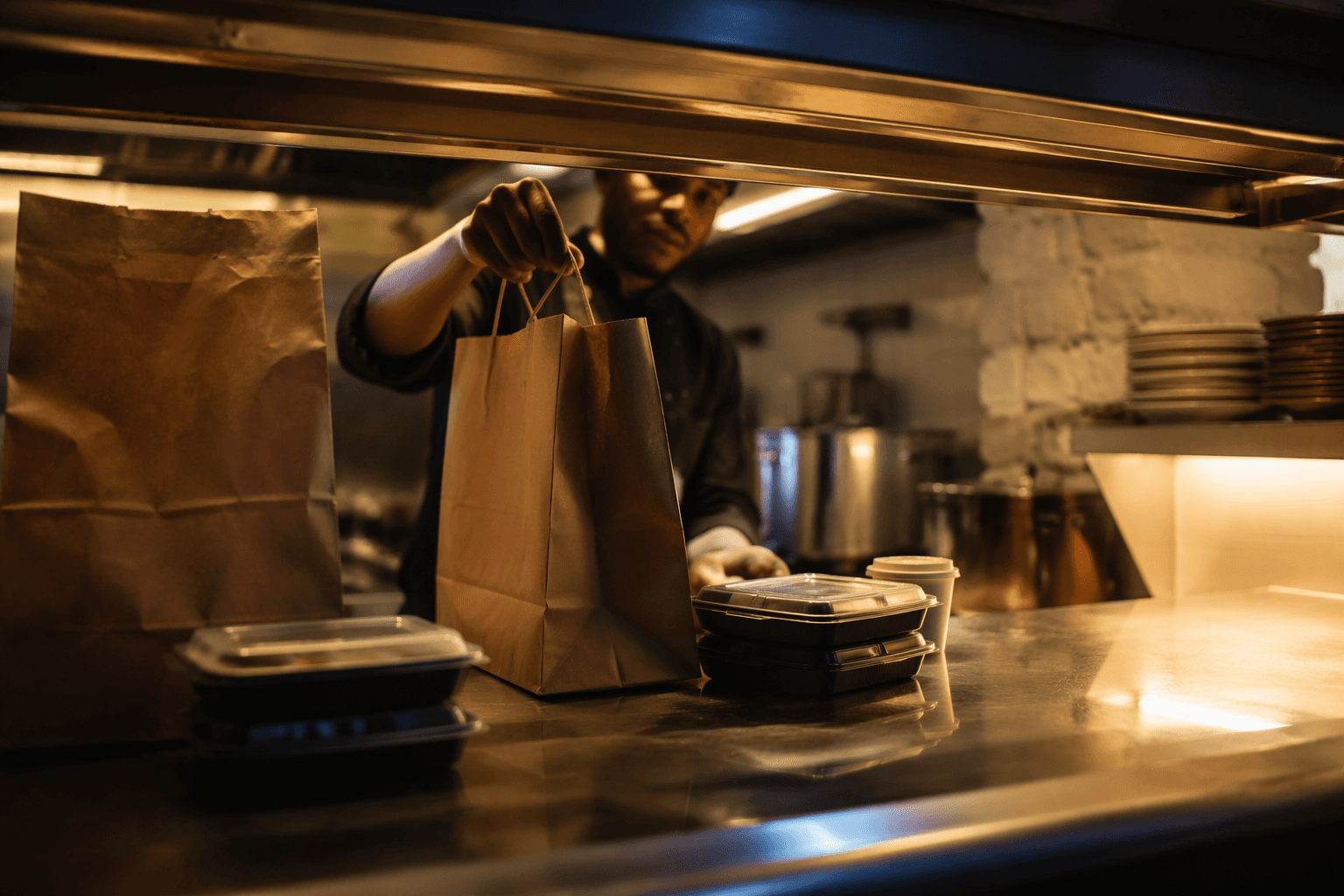
Famous Brands has been blunt about the operating environment. The company said the local restaurant industry was under strain from rising costs, alternative power costs and reduced consumer spending, and its 2024 results presentation said about 15% of South African restaurant sales were generated during load shedding. That comes with its own bill: more diesel for generators, more food waste, supplier delays and disrupted deliveries when backup power fails or the supply chain misses a handoff.
The shift in how people buy meals has not slowed, even as the economics worsen. Dineplan said it processed 4.3 million reservations in 2023, seating 22.6 million diners nationwide, up 27% from 2022. Online bookings rose 9.3%, and the app’s users and bookings jumped 50%, showing that convenience still drives traffic even when households are under pressure.
Operators are responding with cost-sharing arrangements that buy time but do not solve the margin problem. Famous Brands said franchisors are absorbing price increases for two to three months in some cases, passing costs through to franchisees in others, or using shared-impact models. That can protect the headline menu price for a while, but it also strains franchisee cash flow, which is where payroll, staffing stability and day-to-day service decisions get made.
South Africa’s restaurant sector is now running on a thinner cushion. With delivery commissions, food inflation, fuel volatility, load shedding and weak consumer spending all hitting at once, the pressure is shifting from sales growth to survival.
This article was produced by Prism’s automated news system from verified source data, official records, and press releases, then run through automated quality and moderation checks before publishing. The system is built and supervised by the people who set the standards it runs under. Read our full AI policy.
Know something we missed? Have a correction or additional information?
Submit a Tip