Starbucks plans smaller stores and drive-thrus to fuel U.S. growth
Starbucks wants 5,000 more U.S. stores, but the smaller-build strategy could mean tighter staffing, more cross-training and busier shifts for baristas.
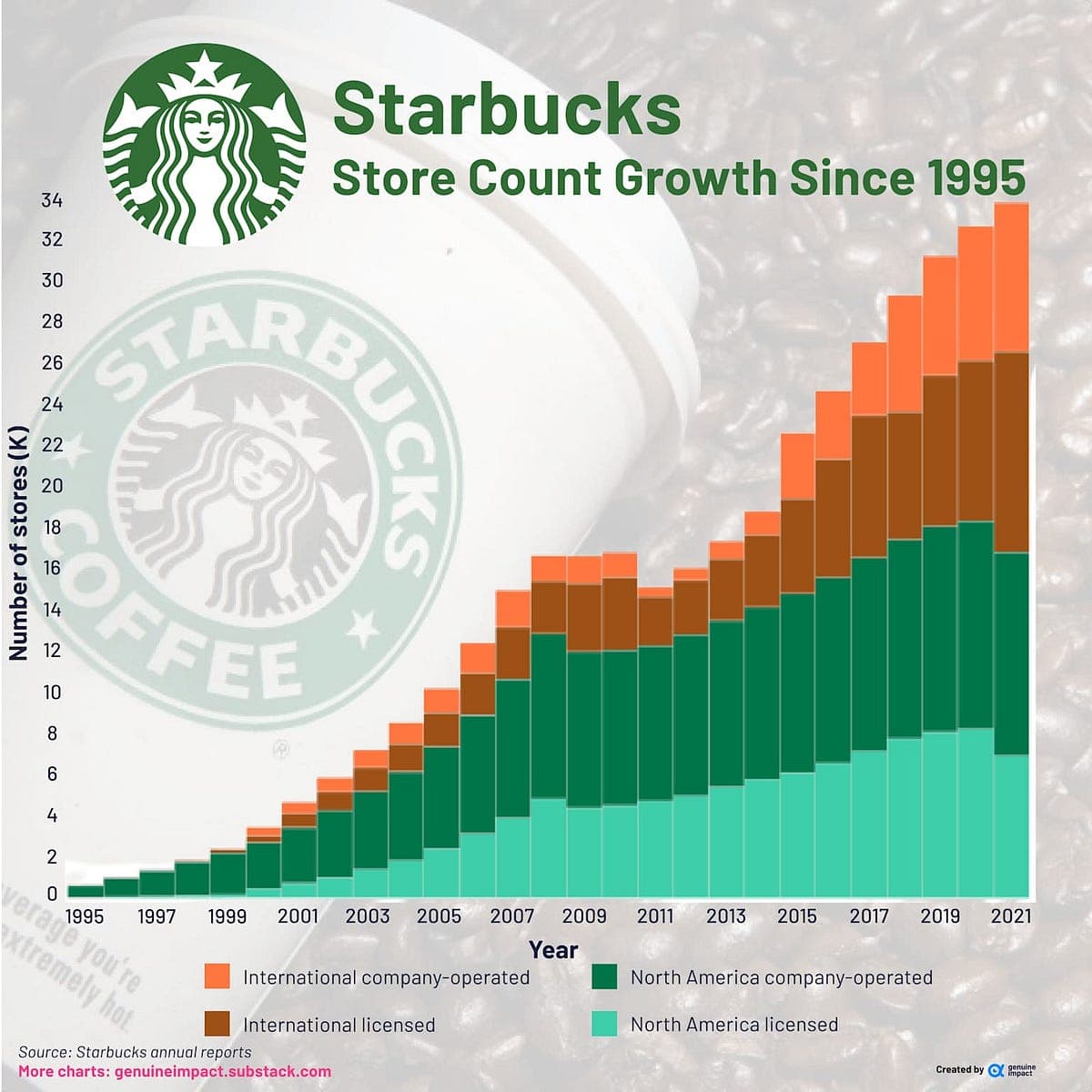
Starbucks’ latest growth push is not just about adding stores. It is about shrinking the footprint, tightening the labor model and making each café easier to staff profitably, a shift that could reshape the workday for baristas, shift supervisors and store managers.
At its June 11 growth strategy update, Starbucks said smaller-footprint drive-thru and in-line stores could help it open another 5,000 U.S. locations, with a longer-term path to as many as 10,000 more. Brian Niccol and Cathy Smith said the company wants cheaper sites, better unit economics and more flexible real estate choices, especially in the Midwest and other underpenetrated parts of the country. For workers, that points to a store network built around fewer square feet to clean, fewer back-of-house steps and a more standardized service model.

That matters because store design usually becomes staffing math. Smaller cafés can mean fewer labor hours, fewer people on the floor at once and more expectation that the same team can cover drive-thru, mobile orders, handoff and counter service. Starbucks is also trying to balance convenience with the old café model, and it said more than 60% of customers came into a store to order over the prior month. At the same time, the National Coffee Association said 59% of U.S. coffee drinkers who bought coffee outside the home in the prior week had used a drive-thru, an all-time high. That mix suggests more pressure on the same workers to move fast across multiple channels.
The company has already started to reset its footprint. Starbucks said at its January 29 investor day that it planned to open up to 175 new U.S. coffee shops in fiscal 2026 and around 400 in fiscal 2028. It also said it aimed to add 25,000 seats across U.S. cafés by the end of the fiscal year, had completed retrofits at 200 locations and expected to reach 1,000 by fall. Starbucks said it has around 10,000 company-operated stores in the U.S. and sees thousands of sites within a mile of a competitor where no Starbucks currently operates.
The push follows a costly reset. Starbucks closed about 400 stores in a wave at the end of September 2025, after a strategic portfolio review. CNBC reported that the restructuring carried about a $1 billion cost, including roughly $150 million in employee separation costs and about $850 million in restructuring charges, and about 900 non-retail employees were laid off.
Workers are still signaling strain on the floor. A survey of 737 current Starbucks workers in 47 states and the District of Columbia found 91% reported understaffing in the past three months, 93% said policy changes had no impact or worsened customer experience, 93% said staffing issues led to long wait times, 88% reported an unsustainable work pace or unsafe conditions, and 69% said scheduling was uneven or mismanaged. Starbucks says its Green Apron Service model is meant to improve throughput and the café experience, but the real test will be whether smaller stores bring better jobs, or simply more work packed into less space.
This article was produced by Prism’s automated news system from verified source data, official records, and press releases, then run through automated quality and moderation checks before publishing. The system is built and supervised by the people who set the standards it runs under. Read our full AI policy.
Did this article answer your question?