Starbucks scraps AI inventory tool after counting errors in stores
Starbucks shut down an AI inventory system after stores found it miscounted milk and other items, forcing workers to clean up the errors.
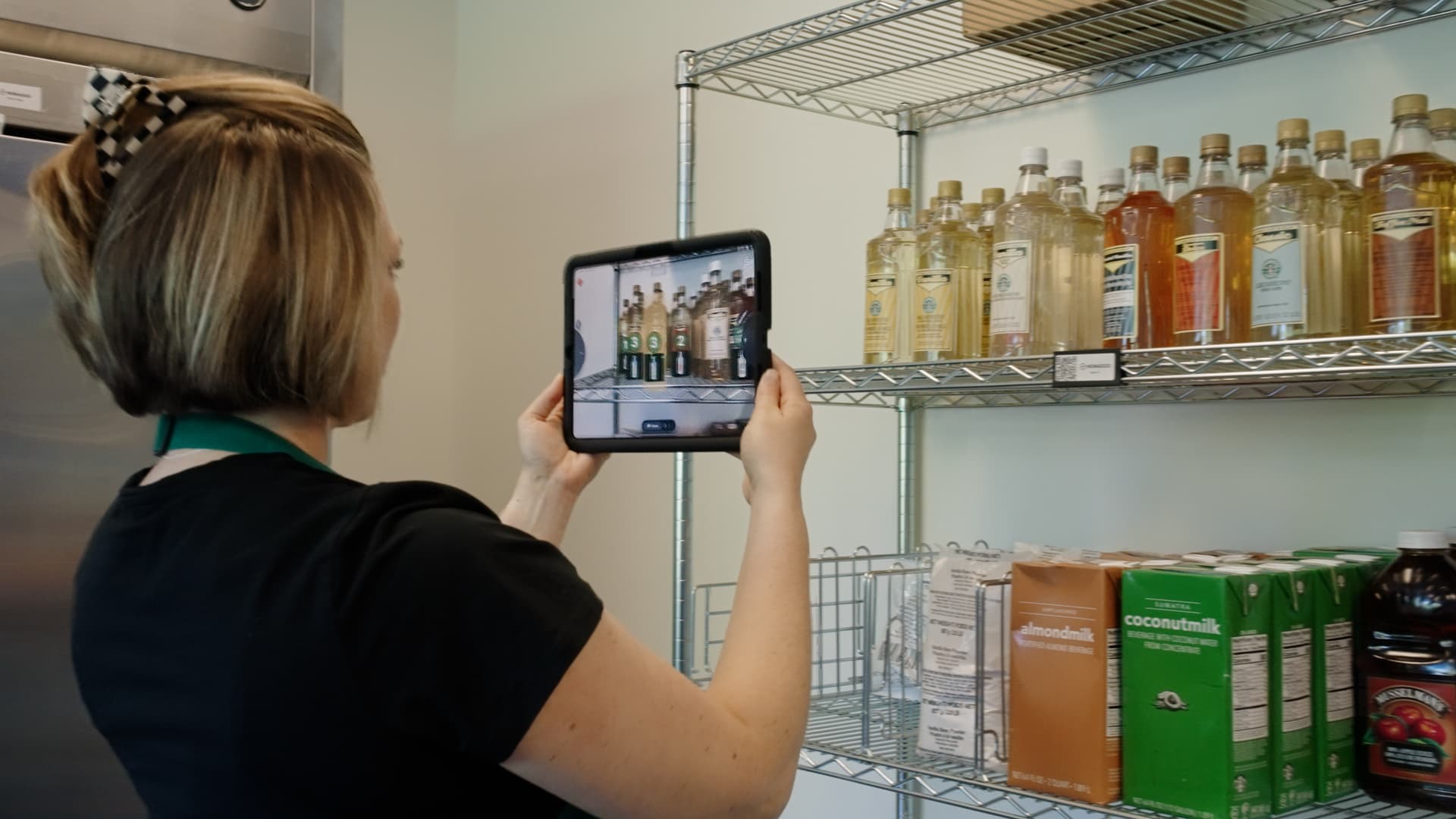
Starbucks has shut down an AI inventory-counting system that was supposed to make store-level stock checks faster and sharper, after workers and internal testing found the tool could miscount or mislabel items, including different milk types. The reversal landed after the system had been rolled out broadly across North America, turning what was billed as a labor-saving upgrade into another layer of work for store teams.
The program had not been a small experiment. Starbucks and NomadGo said in September 2025 that the automated counting system was being deployed in more than 11,000 Starbucks locations across North America, with the rollout slated to reach all company-operated stores by the end of that month. NomadGo said its inventory AI could count up to eight times faster than manual methods, while Starbucks described the tool as part of a push to improve partner experience and customer consistency.
For baristas and shift supervisors, inventory software only helps if the numbers hold up on the floor. When a system misses a milk count or confuses one product for another, the burden shifts back to hourly staff who have to verify the shelves, explain shortages, and fix the digital record before the next rush. In a café where product availability affects every order, a bad count can mean 86ed drinks, substitutions at the register, extra waste, and more work at closing, not less.

Starbucks said it ended the program to standardize how inventory is counted across coffeehouses. The company also said it is working toward more frequent daily replenishment and continued supply-chain improvements. That framing suggests the problem was not simply whether AI could scan a shelf, but whether the system fit the chain’s operational reality well enough to support store consistency at scale.
The retreat is also tied to Brian Niccol’s turnaround effort. Starbucks had said earlier this year that adoption of the tool had improved product availability in stores, and the system was part of Niccol’s effort to address persistent product shortages that he said were hurting sales. Its removal now points to a tougher standard for restaurant automation: technology has to reduce labor on the floor, not shift the cleanup onto the people making drinks, ringing orders, and closing the store.
This article was produced by Prism’s automated news system from verified source data, official records, and press releases, then run through automated quality and moderation checks before publishing. The system is built and supervised by the people who set the standards it runs under. Read our full AI policy.
Did this article answer your question?