Subway operators ordered to pay nearly $1 million in back wages, close 14 restaurants
A federal court ordered 14 Bay Area Subway operators to pay nearly $1 million and either close or sell the stores after wage theft and labor violations.
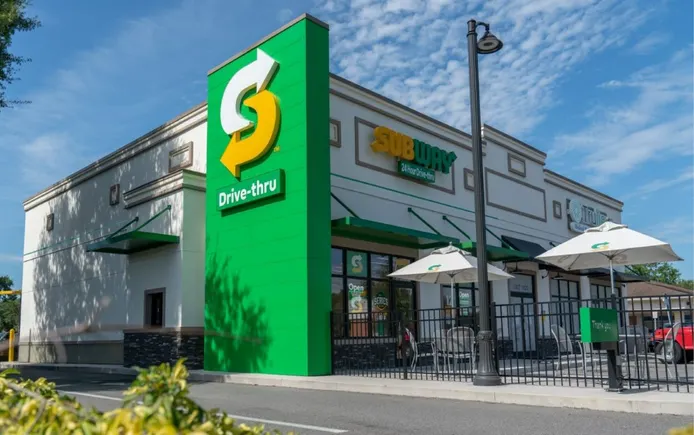
A federal court ordered operators of 14 Bay Area Subway locations to pay employees nearly $1 million in back wages and damages and to either close or sell the restaurants, a ruling that puts pay recovery and job losses side by side for the workers affected.
The U.S. Department of Labor said the case covered 14 Subway stores in the Bay Area, where the operators were accused of forcing children as young as 14 and 15 to use dangerous equipment, making minors work illegal hours and issuing bad checks for payroll. The order reached back years: one legal summary said the employers had to pay damages and back pay going as far back as 2019.
Punitive damages were also imposed for retaliating against employees who asked for the wages they were owed. That matters in restaurant work because wage theft is often buried in everyday scheduling, paycheck math and off-the-clock labor before it ever becomes a public case. Missed overtime, meal-break deductions, tip-credit violations and misclassification can all drain pay long before a court steps in.
The business fallout is just as immediate for the crew on the floor. When a franchisee is hit with back-pay liability, damages and a forced exit from the business, the result can be delayed payroll, reduced staffing or a sudden closure that leaves line cooks, cashiers and shift leaders scrambling for hours elsewhere. In this case, the court order required the franchisees to shut or sell the 14 stores, turning a wage case into a franchise-instability story with real consequences for workers trying to keep steady schedules and steady pay.
The distinction between Subway as a brand and the local operators behind the counter matters here. The logo on the storefront may stay familiar, but the employer problems sit with the franchisee, and when that operator runs into cash trouble, workers usually feel it first in their paychecks and shifts. For employees at the closed locations, the practical response is to keep pay records, track hours and save tip logs so any unpaid wages can be matched against the employer’s records.
This article was produced by Prism’s automated news system from verified source data, official records, and press releases, then run through automated quality and moderation checks before publishing. The system is built and supervised by the people who set the standards it runs under. Read our full AI policy.
Did this article answer your question?