Target Field concessions workers plan strike during Twins-Dodgers game
Nearly 500 Target Field workers were set to strike on Twins-Dodgers game day, pressing for higher pay, health coverage and stronger job protections.

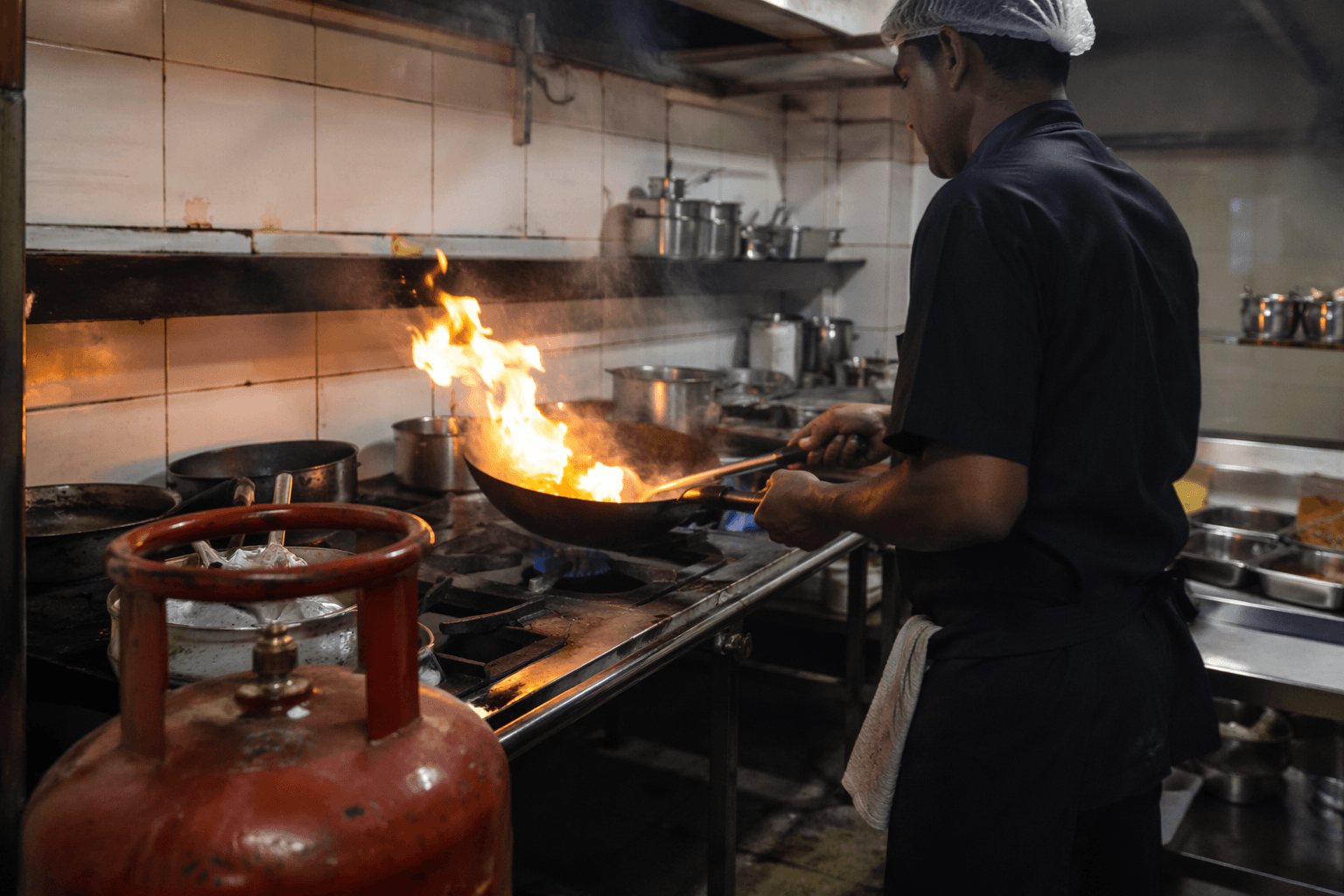
Nearly 500 concessions workers at Target Field were preparing to walk off the job as the Minnesota Twins hosted the Los Angeles Dodgers, turning a marquee game into a high-visibility labor fight over pay and staffing at one of Minneapolis’ busiest food-service venues. The workers, employed by Delaware North Company and represented by UNITE HERE Local 17, were pressing for higher wages, health insurance and stronger job protections.
The group includes bartenders, cooks, suite attendants, stand workers and dishwashers who keep the ballpark’s concessions and premium spaces running on game days. Workers have said some are earning minimum wage and still do not receive employer-provided health coverage, a thin margin for jobs built around long hours, crowded shifts and the rush of big crowds. Their contract had been expired since Jan. 1, 2025, leaving the dispute to stretch on through another season.
Workers voted on May 1 to authorize a strike, with roughly 81% of the 500 union members backing the move. That vote gave the union leverage heading into one of the highest-revenue dates on the schedule, because a stoppage during a Dodgers series puts pressure on the contractor at the exact moment food and beverage sales matter most.

Delaware North said it expected concessions operations to continue with temporary workers, recent hires, nonprofit partners, managers and other staff. The company runs ballpark concessions through its Sportservice division, underscoring how much of the fan experience depends on a labor force that is often invisible until it stops working. The planned walkout would have been the first by concessions workers at a major league stadium in Minnesota.
For workers, the immediate stakes were practical: whether a job that already pays minimum wage can keep families afloat without health coverage, and whether years of staffing shortages and burnout are being traded for a contract that offers any real protection. For the company, the issue was whether a venue can keep its food stands, bars and suites open with substitute labor while the people who know the operation best are on the picket line.
This article was produced by Prism’s automated news system from verified source data, official records, and press releases, then run through automated quality and moderation checks before publishing. The system is built and supervised by the people who set the standards it runs under. Read our full AI policy.
Did this article answer your question?