Thailand restaurants face profit squeeze as price wars intensify
A 219-baht sukiyaki buffet and a midnight discount war show how Thailand's chains are squeezing margins while small restaurants cut staff and hours.
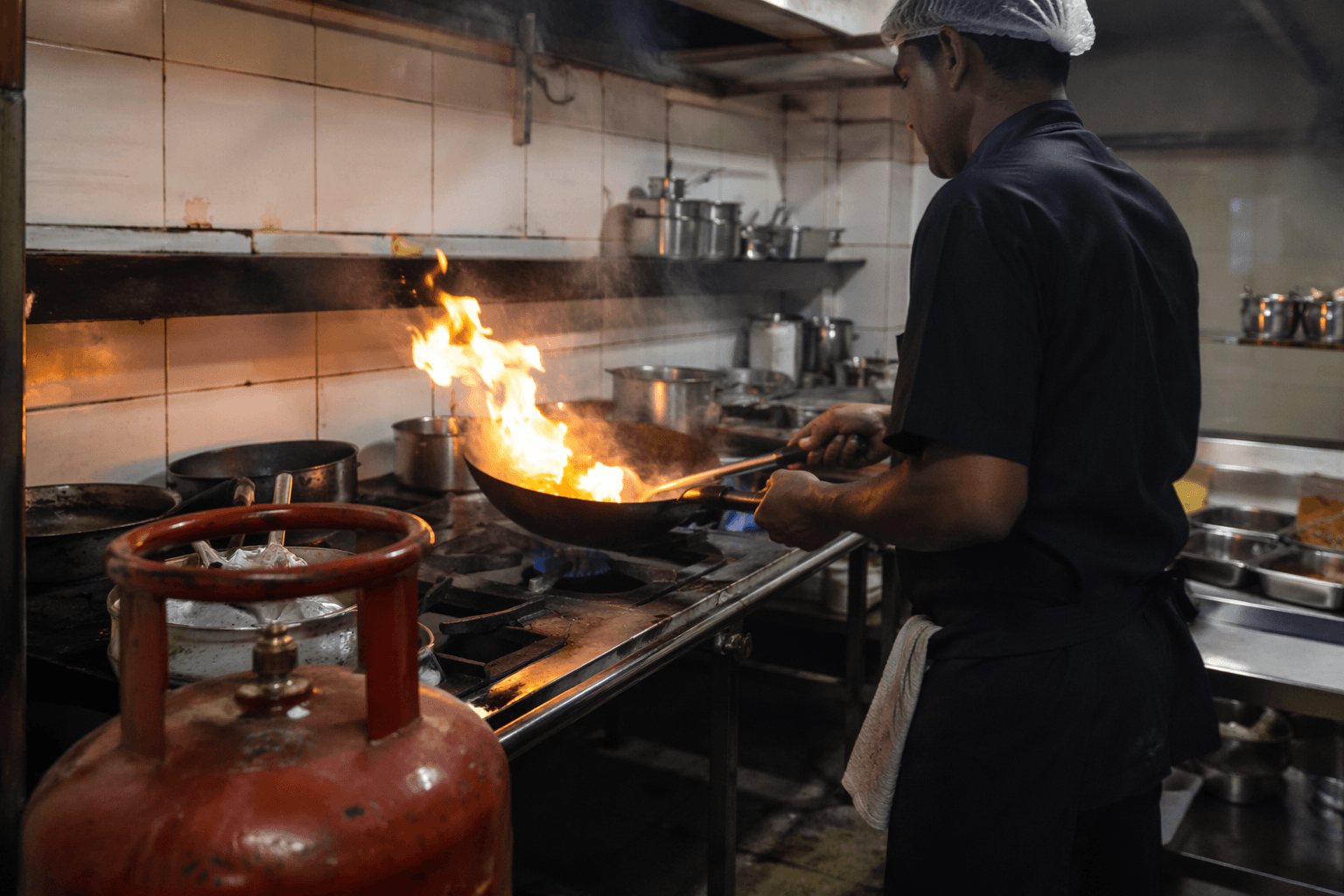
Thailand’s restaurant price war is landing hardest inside the kitchen and on the schedule sheet. Big chains are slashing prices to defend traffic, but the pressure is rippling through staffing, opening hours and portions as more than 700,000 restaurants feel the strain of a sluggish economy and sales that the Thai Restaurant Association said were down an average of 25% to 50% from a year earlier.
The squeeze is showing up in the numbers operators watch most closely. Bangkok Post reported offline same-store sales fell 14% from 2024 to 2025, while raw material prices rose 25% and labor costs climbed about 5%. New restaurant openings also weakened, dropping from roughly 96,000 in the first half of 2023 to 63,000 in 2024 and 44,000 so far in 2025. Around half of new restaurants were said to close within a year, a sign that many independents are running out of room to absorb higher costs, thin traffic and aggressive promotions.

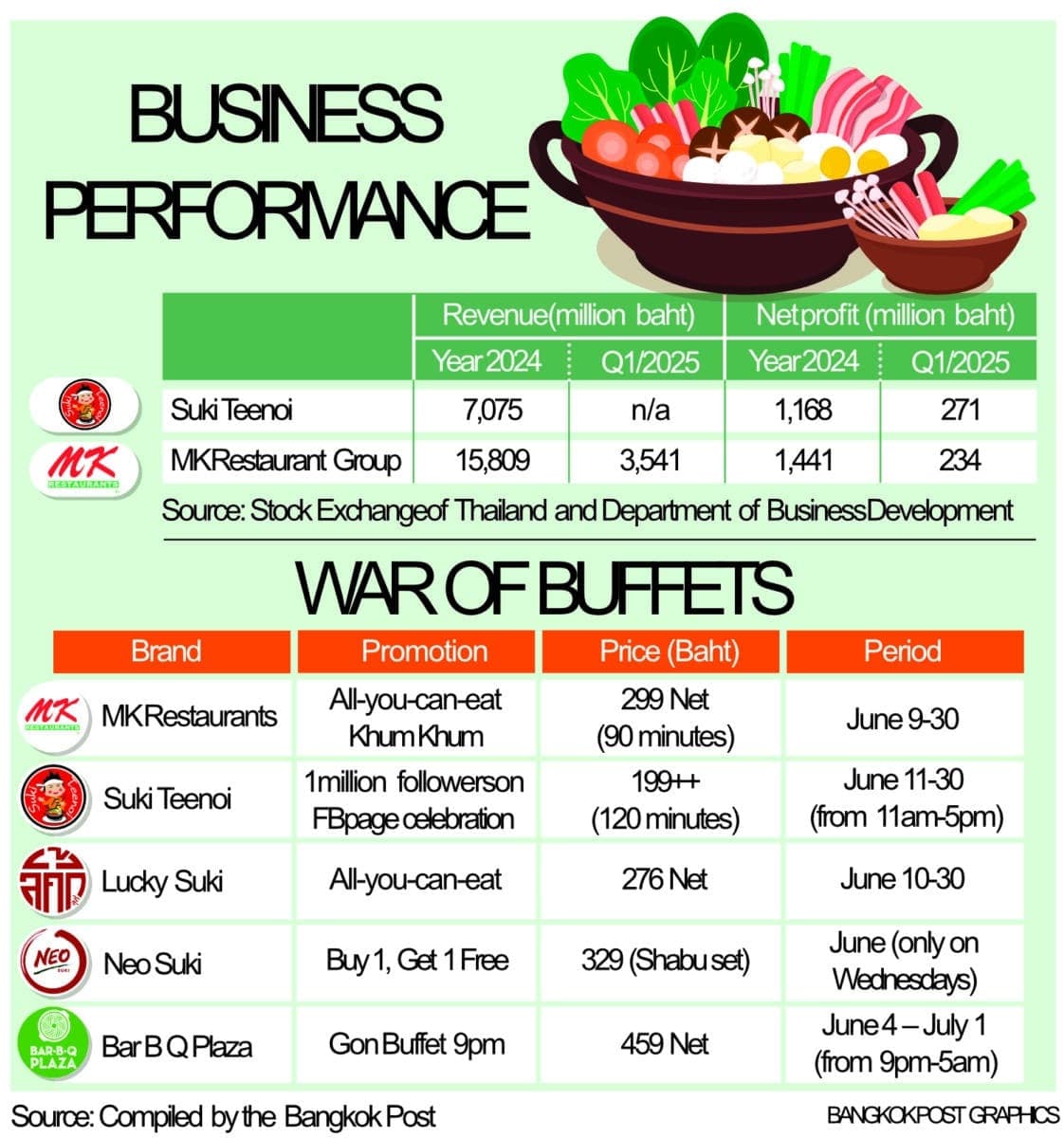
The fiercest fight is in sukiyaki. MK Restaurant Group’s new Bonus Suki brand entered the market with a 219-baht buffet, excluding VAT, while Suki Teenoi answered with a 50% discount from midnight to 5 a.m., bringing the price to about 120 baht per person. That split underscores two very different business models: MK’s typical spend per head has been described at 600 to 700 baht, compared with about 300 baht at Suki Teenoi. For crews, that usually means tighter labor budgets, faster table turns and more pressure to make every plate and every hour count.

The broader consumer backdrop is not helping. PwC found 57% of Thai consumers see cost of living as the top national concern over the next 12 months, even though 53% said they felt financially secure and 36% said they were coping. Line Man Wongnai said online food-delivery penetration rose from 25% in 2023 to 29% in 2025, giving restaurants another sales channel, but not enough to fully offset the drop in offline demand. Chains are responding by pushing budget brands and extending hours to catch younger late-night diners, while smaller operators are being forced to cut staff or shorten service.
Analysts still see room for growth, but the profits are likely to be uneven. Kasikorn Research Center projected Thailand’s food and beverage market at 646 billion baht in 2025, up 2.8%, after an earlier forecast of 4.6% growth to 657 billion baht. Bank of Ayudhya said food and beverage service businesses should grow 4.0% to 5.0% annually from 2024 to 2026, with larger players better positioned because of supplier bargaining power, branch networks and lower unit costs. The USDA projected Thailand’s foodservice market at $35.4 billion in 2025, with 30% to 35% of food products imported, and said operators are leaning on menu innovation, streamlined operations and more technology. Against that backdrop, the Thai Restaurant Association has pushed a government co-payment plan to stimulate spending, but for many kitchens the immediate reality is simple: price cuts at the counter are turning into pressure on the line.
This article was produced by Prism’s automated news system from verified source data, official records, and press releases, then run through automated quality and moderation checks before publishing. The system is built and supervised by the people who set the standards it runs under. Read our full AI policy.
Did this article answer your question?