Tijuana Flats relaunches franchising, eyes growth and store refranchising
Tijuana Flats is bringing franchising back under Latitude Food Group, shifting control of staffing and store culture to local operators. The move could open new units, but it also raises the odds of uneven labor conditions.

At Tijuana Flats, the biggest question in the latest growth push is not how many new stores the brand wants, but who will set the schedule, training, and day-to-day rules once those stores open. The fast-casual chain relaunched franchising on May 27 under Latitude Food Group, a move that lets the company partner with operators on new locations and sell off select corporate stores.
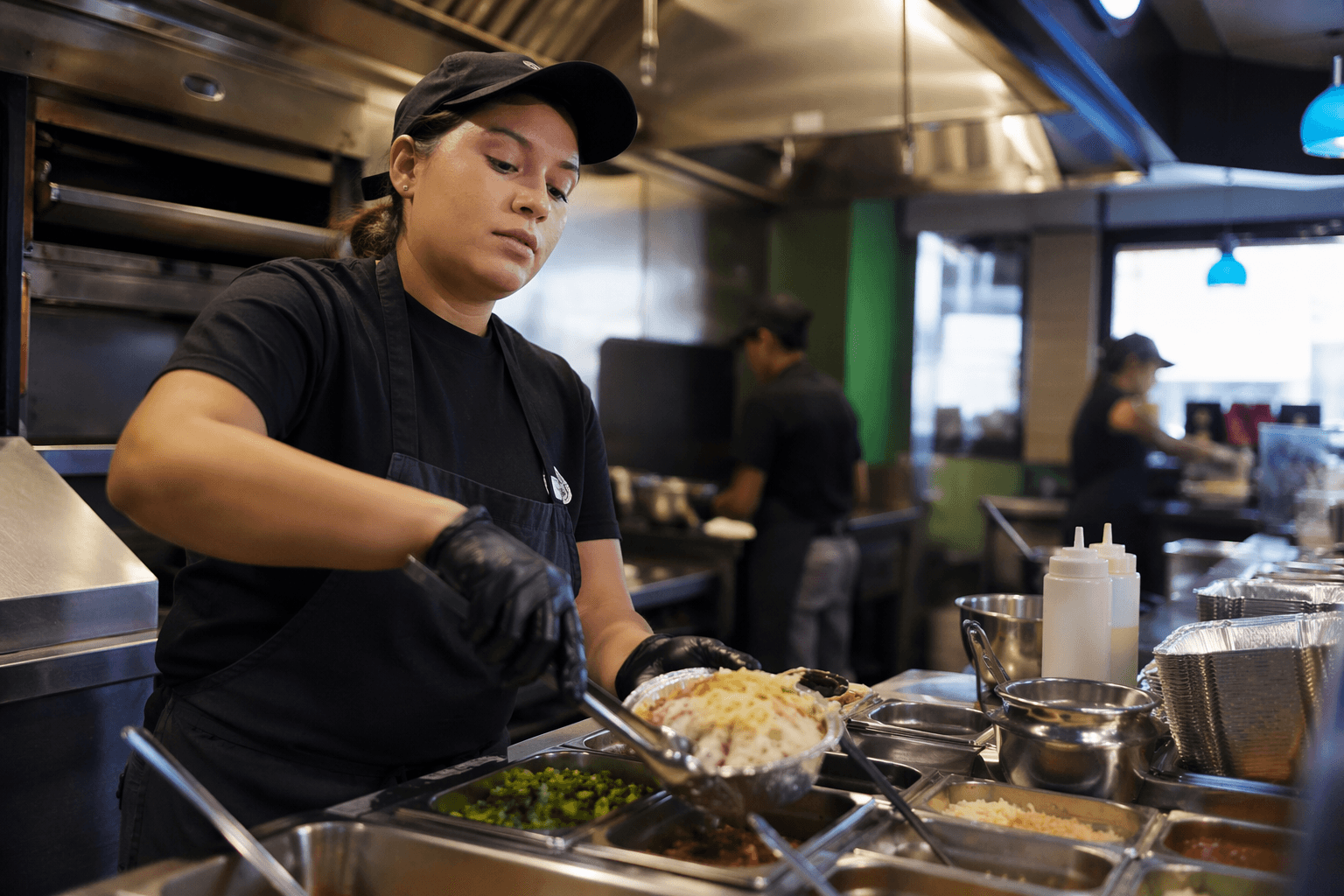
That matters on the restaurant floor because refranchising can change who runs payroll, who writes the schedule, and how tightly a store follows corporate standards. For line cooks, bartenders, cashiers, and managers, the transition can mean a new boss with different expectations, different staffing levels, and different levels of support. It can also bring a reset for stores that have felt underinvested, if a franchisee is willing to put money into labor, equipment, and remodels.
The relaunch comes after a rough stretch for the chain. Tijuana Flats filed for Chapter 11 bankruptcy on April 19, 2024, after closing 40 restaurants that year. The brand later emerged from bankruptcy under new ownership. In November 2025, &pizza acquired Tijuana Flats and created Latitude Food Group, taking in the chain’s 95 corporate and franchised restaurants along with its headquarters in Maitland, Florida.
Latitude has said it plans to grow both brands through franchising and shared back-office support, including HR, finance, supply chain, IT, and marketing. That structure can help a smaller chain stretch its capital farther, but it also means the people making unit-level decisions may be farther removed from the dining room. In a franchised system, the difference between a stable store and a chaotic one often comes down to the operator’s willingness to staff properly, train consistently, and keep turnover from eating into service.
The company has also updated Tijuana Flats’ franchise disclosure document and said it is seeing strong interest from prospective franchisees. Related reporting has said Latitude’s long-term goal is to make both brands mostly franchised, with about 20% company-owned units. That would leave fewer stores under direct corporate control and more of the labor risk, and the upside, in the hands of local owners.
For workers, the relaunch is a reminder that ownership structure is not a back-office detail. It shapes whether a store feels organized or improvisational, whether management treats staffing as a cost to squeeze or a problem to solve, and whether expansion becomes a path to better jobs or just a fresh round of churn.
This article was produced by Prism’s automated news system from verified source data, official records, and press releases, then run through automated quality and moderation checks before publishing. The system is built and supervised by the people who set the standards it runs under. Read our full AI policy.
Did this article answer your question?