Tim Hortons to open 80 new Canadian locations, invest $400 million
Tim Hortons said its $400 million Canadian push will add 80 stores, but the bigger test may be whether it can staff and train them well.
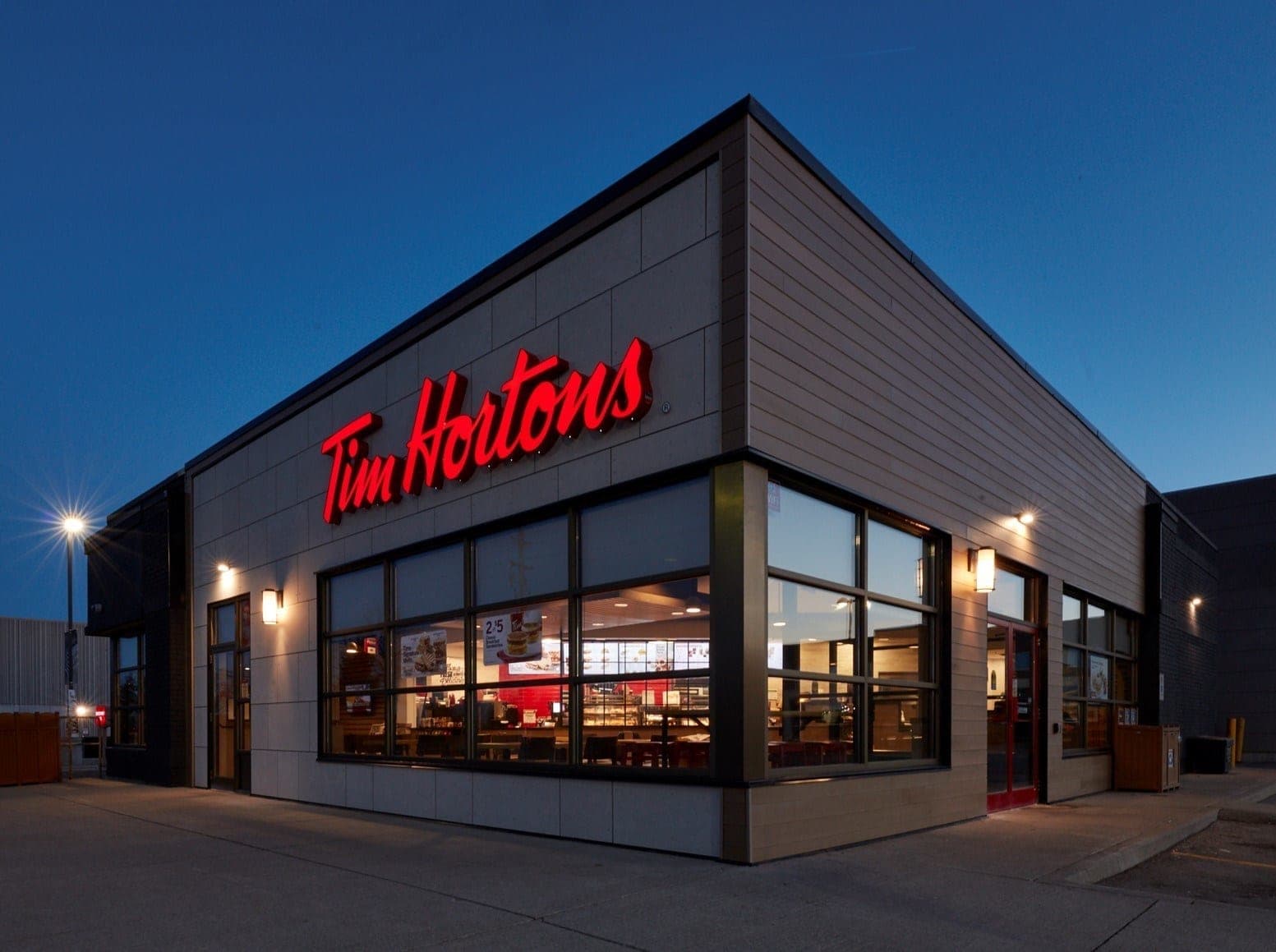
Tim Hortons is pushing ahead with 80 new Canadian locations and 400 renovations under a $400 million investment plan, a scale of spending that puts the chain’s franchise system, hiring pipeline and store-level execution under pressure at a time when restaurant costs remain stubbornly high. The company said Canadian restaurant owners are contributing $270 million and Tim Hortons corporate is adding $130 million, with 340 owners involved in building or renovating 480 restaurants across the country.
That split matters on the restaurant floor. Sixty owners are building the 80 new stores, while 280 owners are renovating 400 existing restaurants, which means managers will have to recruit, onboard and keep enough staff moving through two tracks at once: opening new units and keeping older ones running during construction. For workers, that can mean tighter training windows, more pressure on supervisors, and a greater risk that service quality slips if expansion outruns the chain’s ability to staff drive-thrus, counters and kitchens with people who know the system. Tim Hortons said the redesigns are meant to improve guest and team-member experience through brighter interiors, better layouts, clearer digital ordering and pickup flows, and a baked-goods showcase.

The company is also trying to frame the buildout as a strength play in its home market. Tim Hortons said it has 1,500 Canadian restaurant owners operating 4,000 restaurants coast to coast, and the chain’s origins still carry weight in that story. It was founded by Tim Horton and Jim Charade, with the first location opening in Hamilton, Ontario, in May 1964. That legacy has long given the brand a cultural foothold in Canada, but it also raises the bar: the more the company expands, the more customers will expect the same speed, consistency and familiarity in every market from Ontario to British Columbia.


The competitive backdrop is getting tougher, too. Dunkin’ Donuts is returning to Canada through Foodtastic, adding a new rival in the coffee-and-doughnut lane Tim Hortons has dominated for decades. At the same time, Tim Hortons said renovation and construction materials are being sourced through Canadian-owned businesses, with most items manufactured in Canada, and that custom restaurant furniture is handcrafted in Montréal from 100% Canadian-sourced maple. That will create work for local suppliers and tradespeople, but the bigger operational question is whether an 80-store expansion signals durable demand or just more strain on a system already juggling labor shortages, capital costs and the daily grind of keeping restaurants fully staffed.
This article was produced by Prism’s automated news system from verified source data, official records, and press releases, then run through automated quality and moderation checks before publishing. The system is built and supervised by the people who set the standards it runs under. Read our full AI policy.
Did this article answer your question?