UAE targets 25 percent local food sourcing for hotels and restaurants
UAE wants hotels and restaurants to buy 25 percent of their food locally, a shift that will reshape sourcing, menus and pricing for operators already reliant on imports.
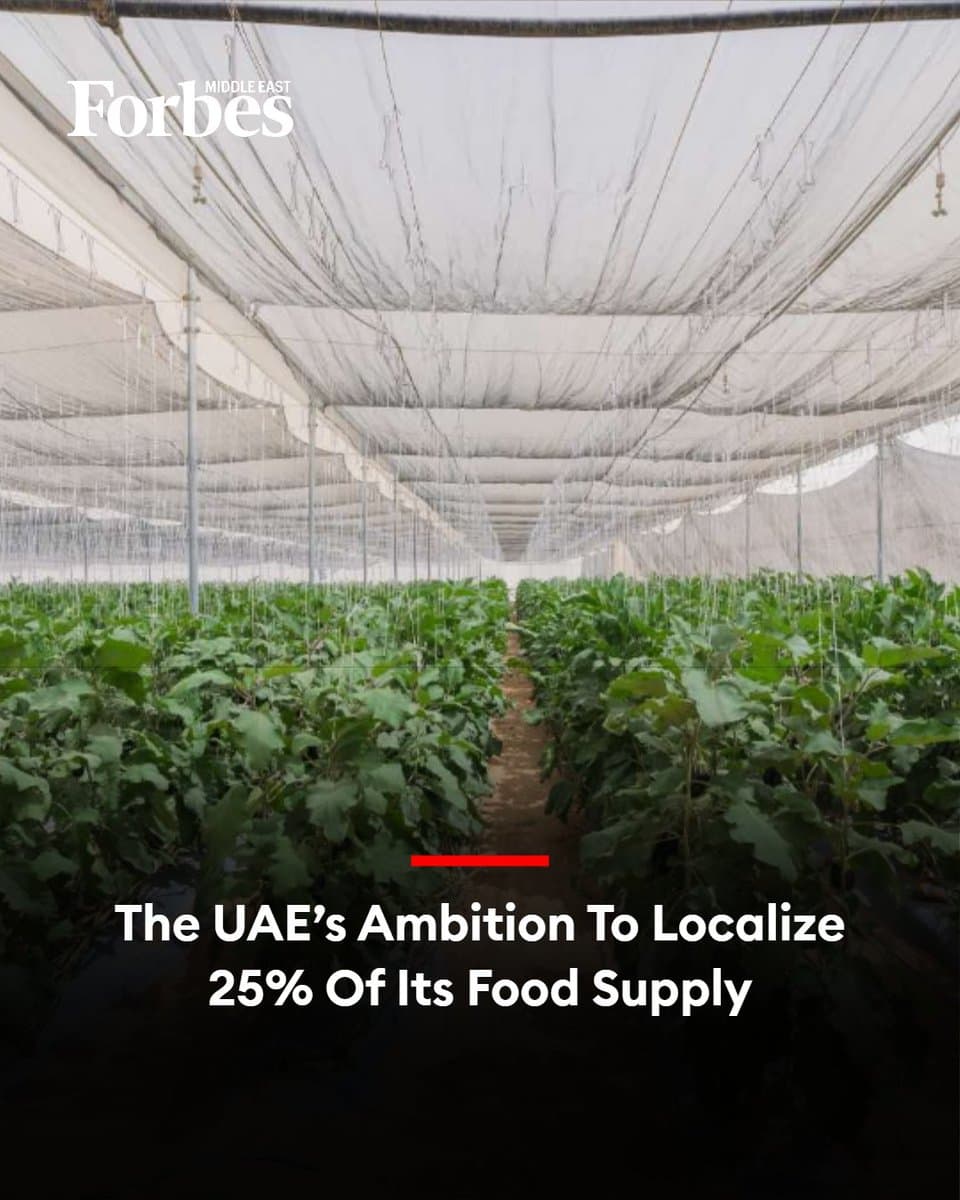
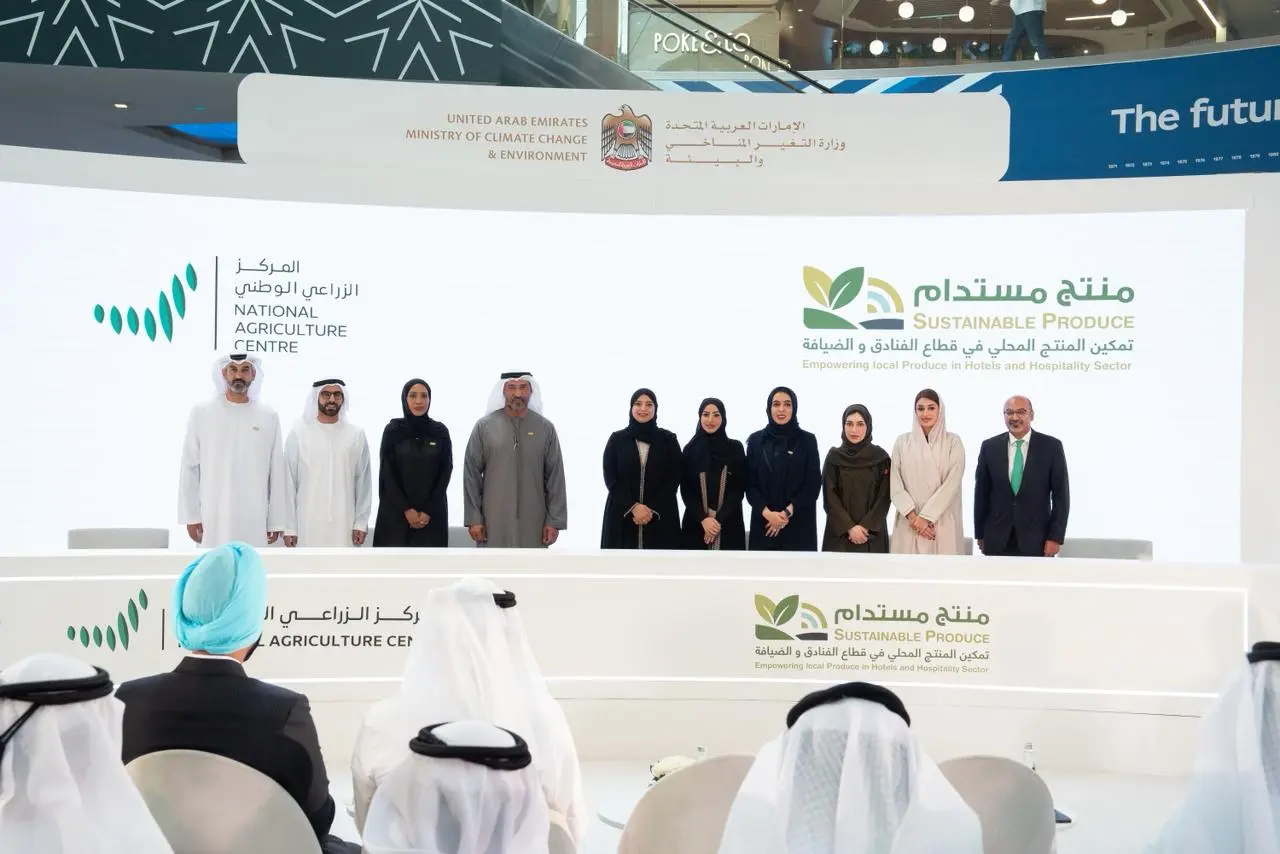
Hotels and restaurants in the UAE will be asked to source a quarter of their agricultural and animal products from domestic suppliers under the Sustainable Product initiative, a target that pushes procurement teams to rethink where ingredients come from and how menus are built. Dr. Amna bint Abdullah Al Dahak, the minister of climate change and environment and chairman of the National Agriculture Centre, launched the initiative on 29 January 2026.
The target sits inside the UAE’s National Food Security Strategy 2051, which aims to make the country the world’s best in the Global Food Security Index by 2051. The strategy is built around sustainable food production, modern technology and stronger local production, and it organizes the national food basket into 18 main types. It also includes 38 short- and long-term initiatives, including diversification of import sources and alternative supply schemes with three to five sources for each major food category.

That matters because the country still depends heavily on imports. CBRE said the UAE has a significant deficit between current food production levels and local consumption needs, even though domestic output has grown since Covid. In early 2025, CBRE said the UAE aimed to triple food production by 2030, underscoring how much farm capacity, processing and transport would have to expand before a 25 percent local-sourcing target becomes routine for hotel banquets, casual dining chains and independent restaurants alike.
For operators, the practical work starts with supplier relationships. Local sourcing at that scale usually means narrower harvest windows, different cuts and grades, and more frequent menu changes to match what is actually available. It also raises the bar on consistency, especially for hotel kitchens that need the same product across breakfast service, room service and event catering. A partnership between Hilton and Fresh On Table shows the model is already being tested, with produce volume expected to rise from 440 tonnes to more than 900 tonnes a year.
The logistics backbone still matters. Jebel Ali Port handles about 73 percent of the UAE’s food and beverage trade by value, while the first stage of Dubai Food District is set for 2027, showing how dependent the market remains on storage, distribution and import flow even as policymakers push for more domestic supply. Waste reduction is part of the same equation: one industry analysis estimated that about 38 percent of food prepared daily in the UAE goes to waste, a reminder that menu engineering, portion control and prep discipline will matter as much as farm output in keeping the new sourcing target workable.
This article was produced by Prism’s automated news system from verified source data, official records, and press releases, then run through automated quality and moderation checks before publishing. The system is built and supervised by the people who set the standards it runs under. Read our full AI policy.
Did this article answer your question?