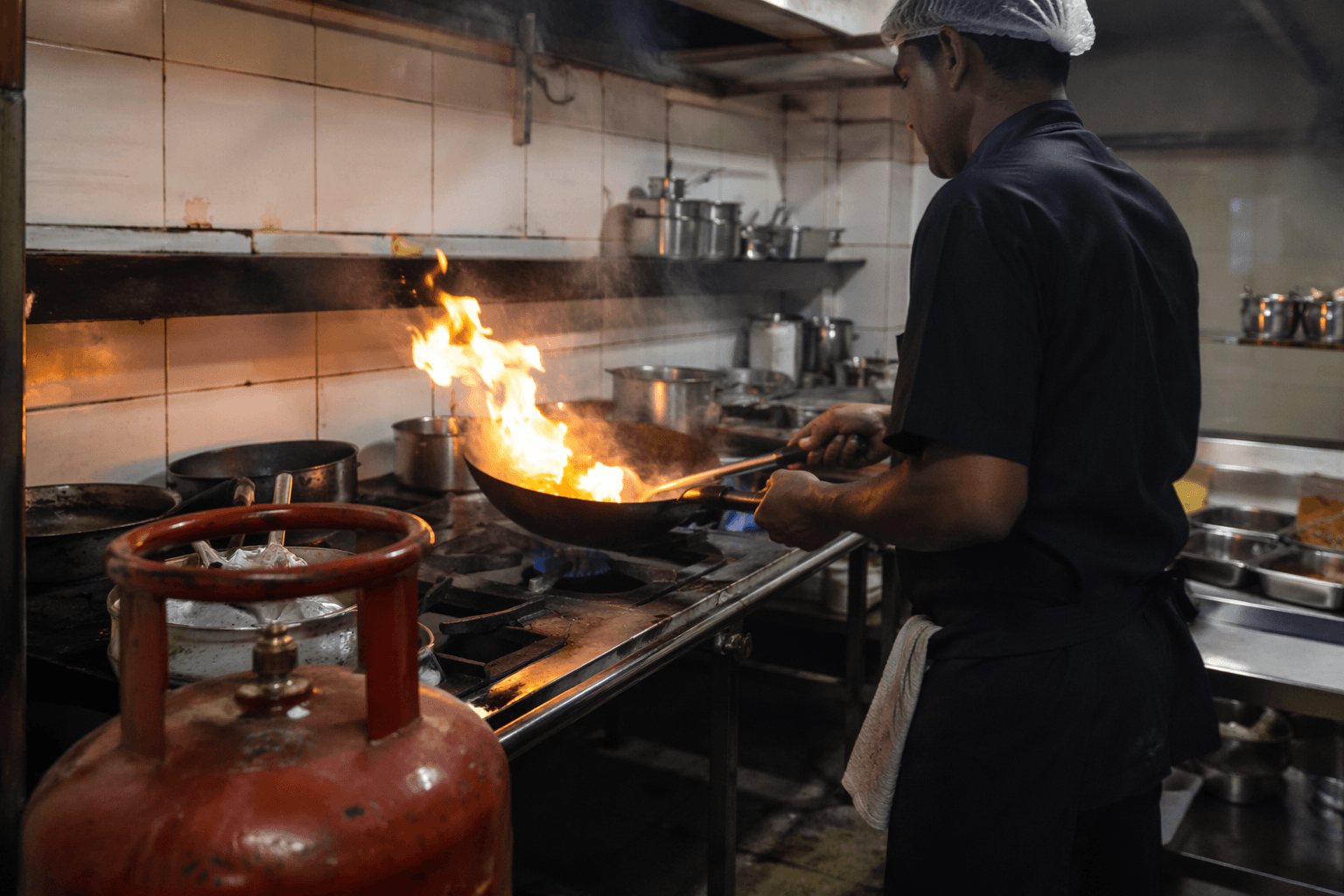
UK cuts VAT on children's meals in restaurants this summer
A three-month VAT cut could draw families in, but restaurants will decide whether the savings show up as cheaper kids’ meals, fatter margins or summer staffing relief.
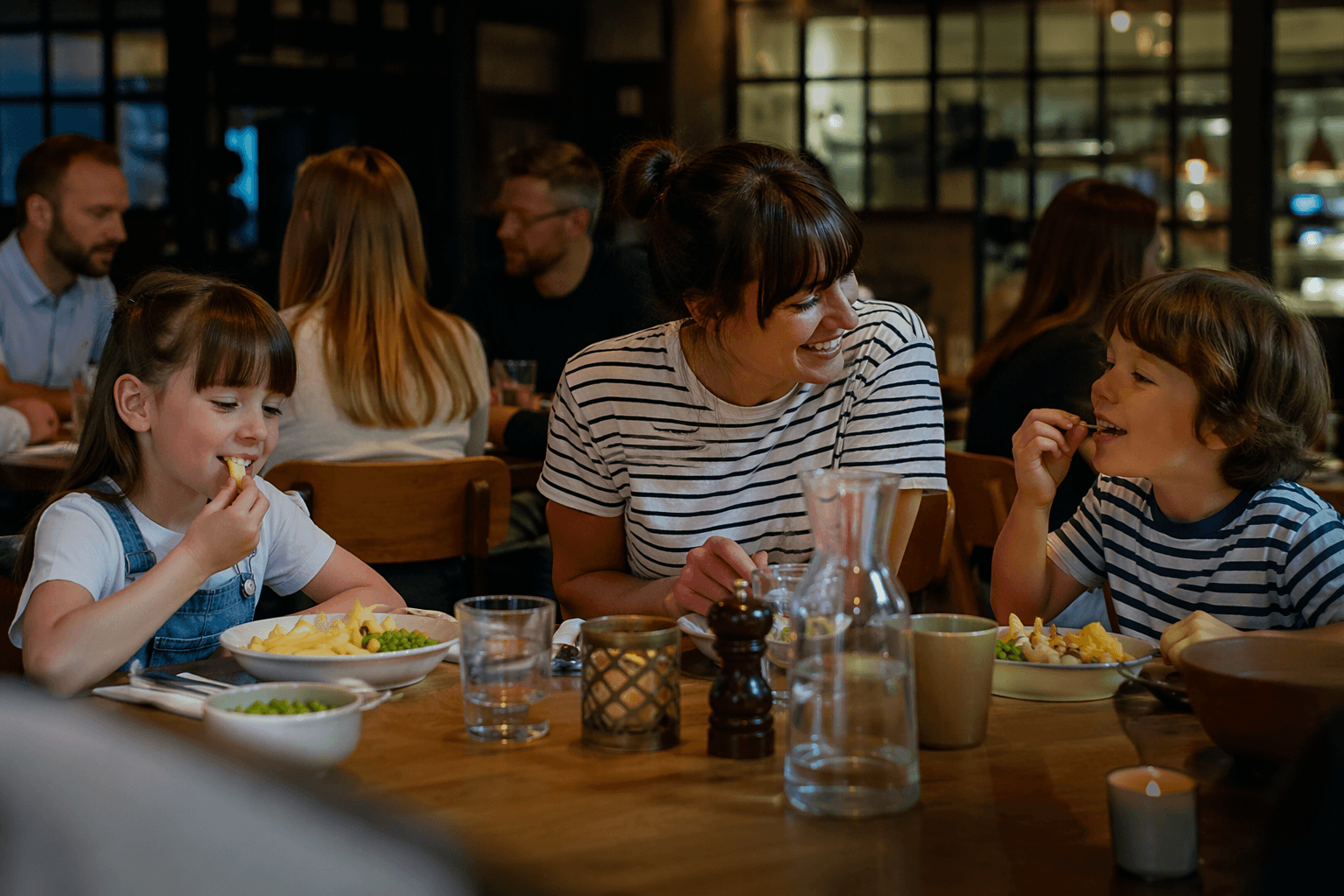
The real test of the new VAT break is simple: will cheaper children’s meals bring in more covers, or will restaurants just keep the difference to help with margins and summer staffing?
Rachel Reeves has backed a temporary cut in VAT from 20% to 5% on eligible children’s menu meals and family leisure activities as part of the Great British Summer Savings scheme. The measure will run across the UK from 25 June 2026 to 1 September 2026, lining up with the school summer holiday period in Scotland and running through the end of the holidays in England, Wales and Northern Ireland.
For restaurants, the details matter as much as the headline. The reduced rate will apply only to children’s meals that are marketed, priced and presented as children’s meals and eaten on the premises as part of catering services. Takeaway children’s meals will not qualify. That means operators will need to separate qualifying kids’ dishes from adult meals, delivery orders and takeaway counters if they want to apply the lower rate correctly.
HM Treasury and HM Revenue and Customs are presenting the change as a cost-of-living measure aimed at making family days out and eating out cheaper over the summer. The wider package is meant to cover theme parks, zoos, museums, fairs, cinemas and other family attractions, turning the VAT cut into a short-term push for spending rather than a permanent change to the tax system.
Hospitality tax advisers say that, in practice, pubs, cafés and restaurants will need clean menu labeling and sharper tills to avoid mistakes when the temporary rate kicks in. For operators already juggling higher food costs, thin margins and a stubborn staffing squeeze, the question is whether lower VAT on kids’ meals produces real demand or simply becomes a pricing lever. If menus do not come down fully, the benefit may stay with the business rather than families. If restaurants do pass the cut on, the hope is for more family bookings, busier dining rooms and a little extra trade during the summer rush.
The policy is being sold as relief for households. On the restaurant floor, it will be judged by a narrower standard: whether it fills tables, supports hours and gives operators enough room to decide how much of the savings they can afford to share.
This article was produced by Prism’s automated news system from verified source data, official records, and press releases, then run through automated quality and moderation checks before publishing. The system is built and supervised by the people who set the standards it runs under. Read our full AI policy.
Did this article answer your question?