Union push at BJ’s Restaurants California store highlights worker frustrations
About 50 Modesto workers pushed BJ’s Restaurants’ first union drive over a tip-sharing policy they said could slash pay. The vote later failed 30-57.
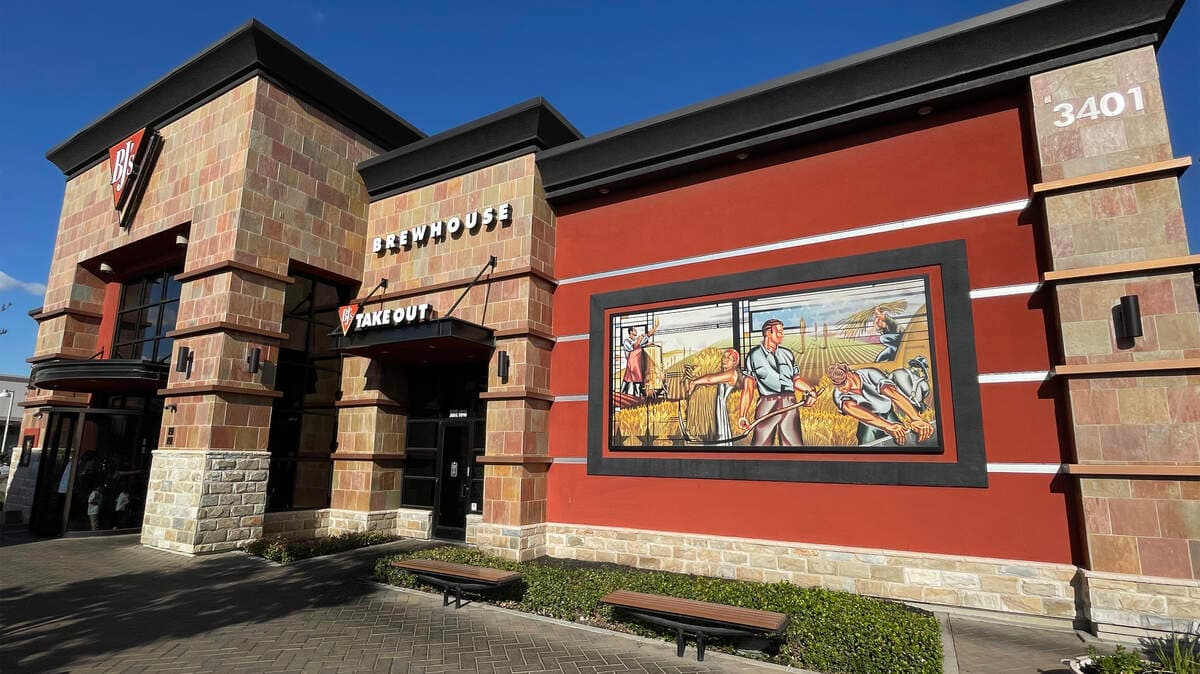
About 50 workers at BJ’s Restaurant & Brewhouse in Modesto pushed the chain’s first union drive over a mandatory tip-sharing policy they said could slash pay. The case was filed at the National Labor Relations Board as 32-RC-371664, and a union election was scheduled for Sept. 26.
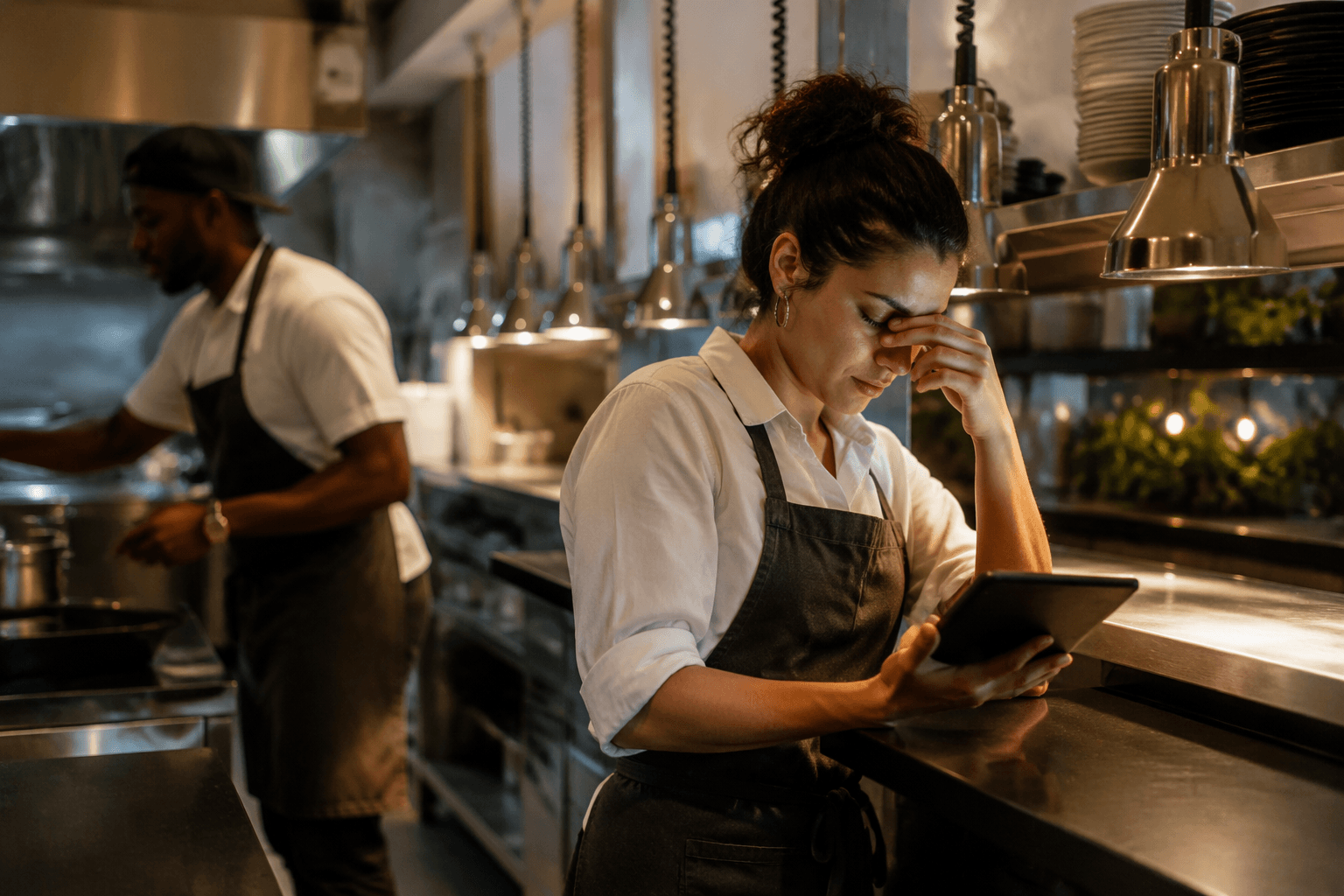
For restaurant workers, the issue landed where pay is felt fastest: the tip line. In a casual-dining room like BJ’s, where servers, bartenders, hosts and kitchen staff all depend on a tightly coordinated shift, a mandatory tip-sharing rule can change take-home pay just as quickly as a posted schedule can upend a week. Workers at the Modesto store said the policy was the spark, but the broader frustration ran through the usual pressure points in restaurants: wages, working conditions and the sense that management complaints went nowhere.
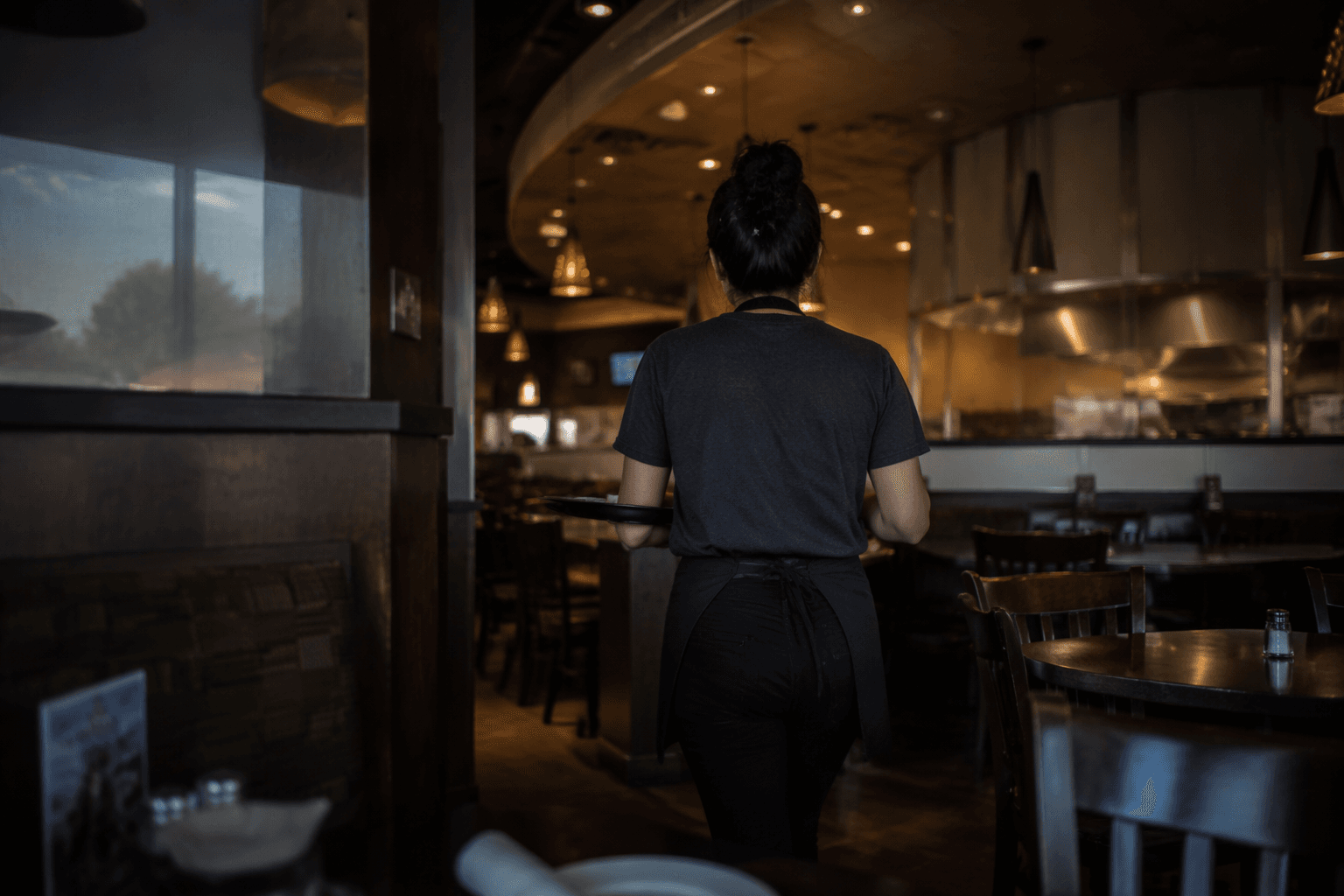
The Modesto campaign mattered because it was not a sprawling chainwide labor fight. It started at one California store, which made it a practical test of whether workers at a single location could force a national company to answer for local pay practices. That is the kind of opening restaurant organizers look for. When front-of-house staff think tip distribution is unfair, or when back-of-house workers see the burden of a policy that reaches their checks, a one-store dispute can become a blueprint for employees at other locations watching the same rules from the floor.
The vote later went against the workers, 30-57. Workers said management spread misinformation during the campaign, a familiar flashpoint in restaurant organizing, where line employees often have to weigh the risk of speaking up against the fear that shifts, discipline or future promotions could be affected. Even without a win, the campaign forced a public discussion of how BJ’s handled pay and workplace rules at the Modesto store.
California’s restaurant labor climate made the fight more visible. The state raised the minimum wage for fast-food workers to $20 an hour in 2024, and it also passed a law banning mandatory anti-union meetings in workplaces, though business groups sued to block it. For restaurant workers, that combination has made organizing more than an abstract legal issue. It has turned questions about tip fairness, scheduling and respect on the job into arguments that companies now have to answer store by store.
This article was produced by Prism’s automated news system from verified source data, official records, and press releases, then run through automated quality and moderation checks before publishing. The system is built and supervised by the people who set the standards it runs under. Read our full AI policy.
Did this article answer your question?