UNITE HERE warns World Cup could spark hospitality labor disputes
UNITE HERE says the World Cup could bring strikes, staffing crunches and immigration fights to stadiums, hotels and airports before the first match is even played.
The 2026 World Cup is shaping up as a labor stress test for the people who will serve the fans, not just a sports spectacle for the people watching. UNITE HERE warned that major disruptions, including strikes, were possible at host stadiums, hotels and airports as 48 teams and 104 matches spread across 16 cities in the United States, Canada and Mexico from June 11 to July 19.
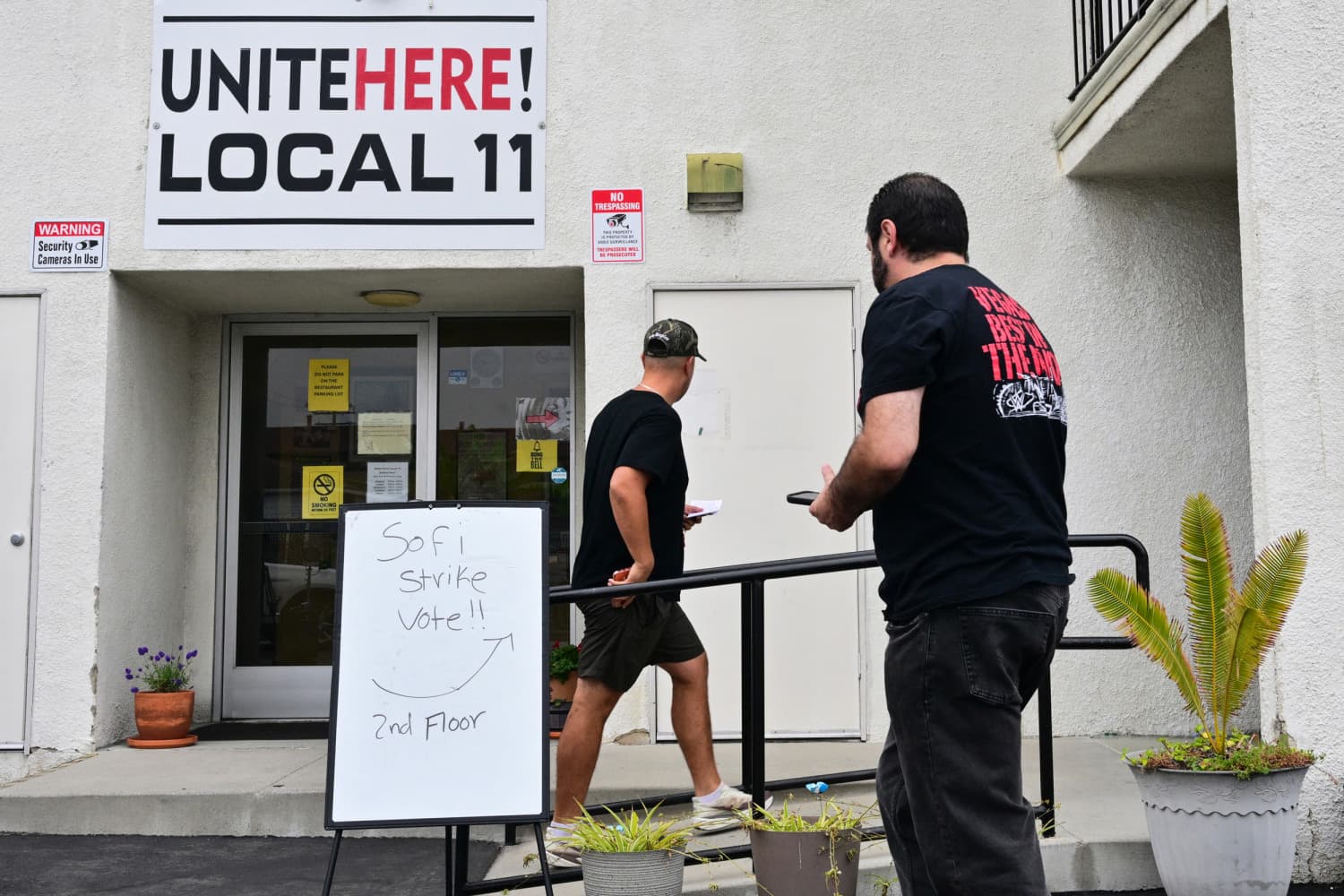
The sharpest pressure point is Los Angeles, where more than 2,000 bartenders, cooks, dishwashers and servers at SoFi Stadium are bargaining for a new contract. Workers there voted 96% on June 5 to authorize a strike, then reached a tentative deal on June 9 with Legends Global and Legends Hospitality that averted an immediate walkout. Los Angeles is set to host eight matches at SoFi, including the U.S. men’s opening game against Paraguay on June 12.
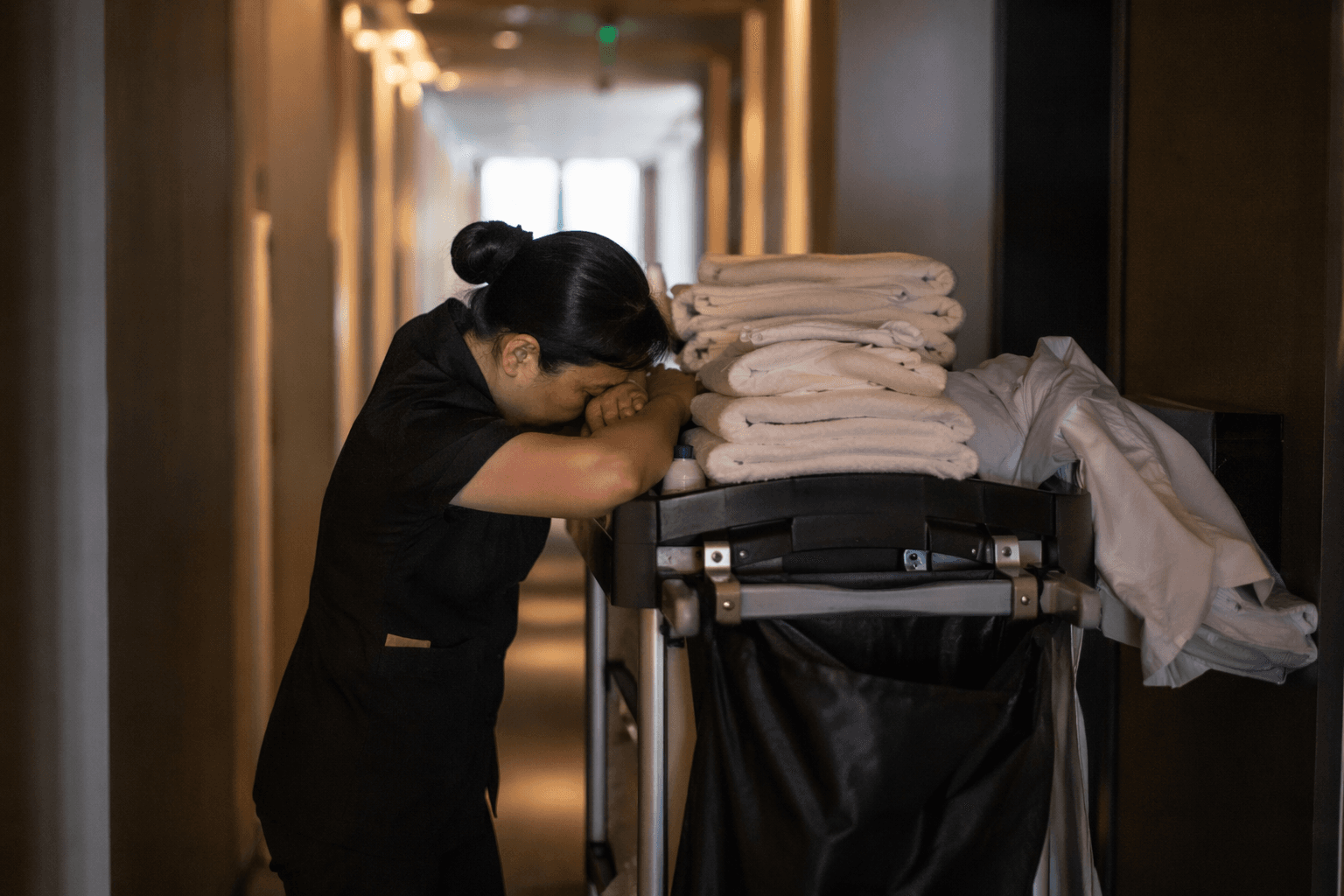
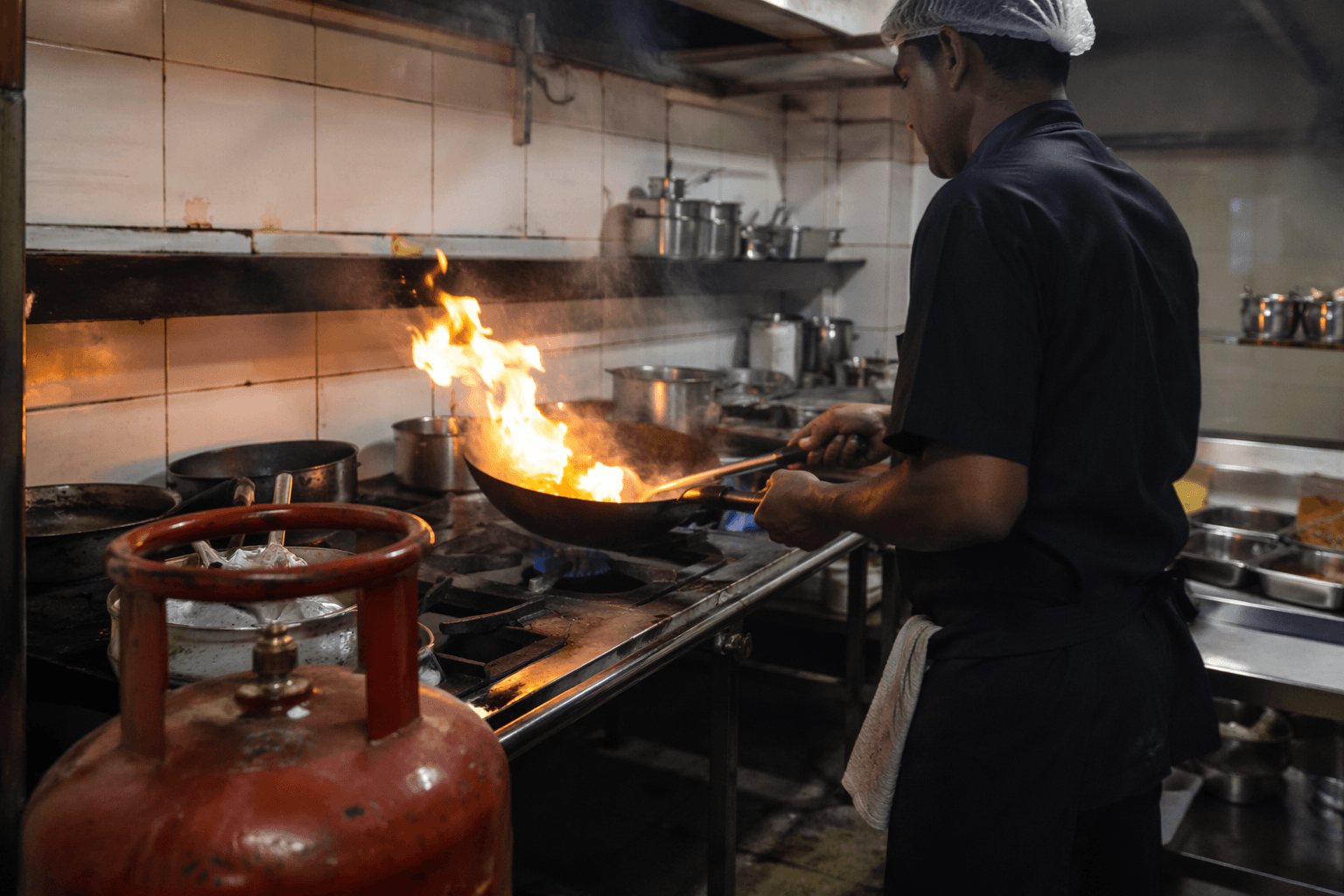
For restaurant and hospitality workers, the dispute is about more than one venue. The union said global events often mean heavier workloads, more complicated commutes and more anxiety when event access rules add extra checks or paperwork. That is the kind of squeeze line cooks, servers and concession staff know well: more volume without enough people on the floor usually means faster turns, more overtime pressure and more burnout.
Immigration policy has become part of the fight too. UNITE HERE is pressing FIFA to end an accreditation rule that it says requires workers to disclose immigration information in order to work the tournament. The AFL-CIO, led by Liz Shuler, also called on FIFA on May 11 to keep Immigration and Customs Enforcement and other Department of Homeland Security agents out of host cities, arguing that workers should be able to do their jobs without fear.
UNITE HERE Local 11 says it represents 32,000 hospitality workers across Southern California and Arizona, including hotels, restaurants, universities, convention centers and airports. That footprint matters because World Cup crowds do not stay inside stadium gates. They spill into airport terminals, hotel front desks, banquet kitchens, catering operations and tourist corridors, where subcontracting and last-minute scheduling can quickly turn into disputes over hours, pay and safety.
The union has good reason to see leverage in the moment. After the 2023 Southern California hotel strike wave, Local 11 said a new four-year contract delivered members a $10-an-hour raise and ran through January 2028. That history suggests the World Cup will not just test whether cities can host the matches. It will test whether the workers who make the event run can force better pay, stronger protections and clearer limits on how far operators can stretch the staff.
This article was produced by Prism’s automated news system from verified source data, official records, and press releases, then run through automated quality and moderation checks before publishing. The system is built and supervised by the people who set the standards it runs under. Read our full AI policy.
Did this article answer your question?